Game Day Escapes: How Sports Events Fuel Full-Fledged Vacations
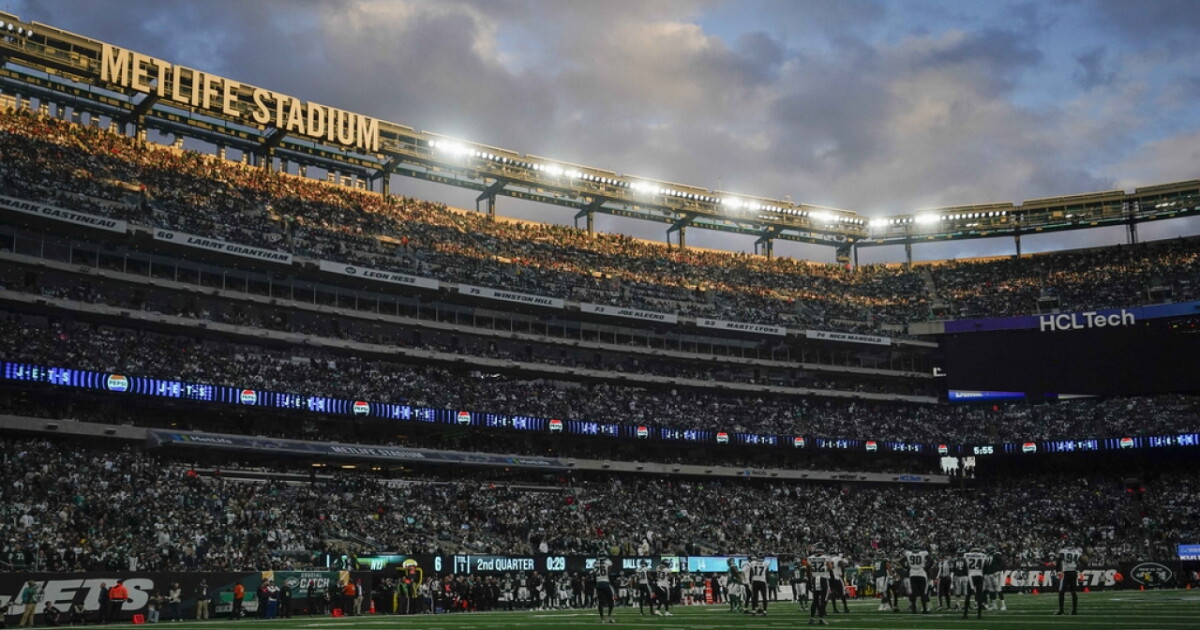
Source: NewsChannel 5 Nashville Sports. Casualplayhub News adds summary, context, and editorial framing while linking back to the original report.
Professional football has officially returned—the 107th NFL regular season begins today. Across the country, the US Open is drawing tennis fans to New York, and college football tailgating is already in full swing. These events are no longer just a few hours of entertainment; they are becoming the anchor for multi-day travel experiences. Sports tourism, once a niche market, is now a mainstream trend.
Travel expert Tomeka Jones, who specializes in blending athletics with adventure, explains the shift. "Sports tourism is becoming a major travel trend," she says. Data from Expedia backs this up: 57% of travelers are likely to attend a local sporting event while on vacation, and among Millennials and Gen Z, that figure jumps to 68%. Instead of a quick stop at a stadium, people are designing entire itineraries around the game—adding local restaurants, cultural sites, and popular attractions to the mix.
Take the US Open, for example. Jones recommends turning a day at the tennis center into a full New York City getaway. Her advice: hop the 7 train to Mets-Willets Point and explore Queens beyond the Arthur Ashe Stadium. Flushing Meadows Corona Park, with its iconic Unisphere, offers a green retreat. And Queens' legendary food scene—from Korean barbecue in Flushing to Colombian arepas in Jackson Heights—gives visitors a world tour in one borough. "Don't just see the match; taste the neighborhood," Jones suggests.
College football offers its own set of traditions that can transform a road game into a bucket-list trip. Rather than always following your favorite team to familiar stadiums, Jones advises choosing a destination based on a tradition you've always wanted to witness. At the University of Tennessee, the Vol Navy is a spectacle: boats line the Tennessee River as fans arrive for game day. Ole Miss turns tailgating into an art form at The Grove, where tents, fine china, and Southern hospitality create a pregame party unlike any other. Clemson fans, meanwhile, revel in the team's run down the hill into Memorial Stadium. "Look at your favorite team's schedule and choose a destination or tradition you haven't experienced before," Jones says.
The NFL is no different. A game in Seattle, for instance, can easily become a full city excursion. Between the kickoff, visitors can wander Pike Place Market, see the original Starbucks, and ascend the Space Needle. The league is also expanding its international footprint—by 2026, a record nine games will be played across seven countries, from London to São Paulo. This gives fans a chance to combine a football fix with an overseas adventure.
Jones offers practical tips for planning such trips. First, secure the event tickets—that's the anchor. Then compare airfare and ground transportation options. Next, decide between a hotel and a vacation rental, factoring in group size and budget. Most importantly, Jones says, budget for experiences beyond the stadium. Her biggest advice: "Add a day or two. Give yourself time to enjoy the food, culture and attractions. This allows you to experience more than just the game." By treating the event as a starting point rather than the whole trip, travelers can turn a single whistle into a week of memories.
Article commentary
The rise of sports tourism represents a broader shift in how people approach travel. For decades, sporting events were often seen as standalone attractions—a fan would fly in, watch the game, and fly out. But the data from Expedia, showing that over half of travelers now integrate local games into their itineraries, suggests a deeper integration of sports and leisure. This is especially pronounced among younger generations, who prioritize experiences over material goods and are more likely to seek out authentic, local flavor alongside their fandom. Tomeka Jones's recommendations are smart and practical. By urging fans to explore neighborhoods like Queens or campus traditions like the Vol Navy, she taps into a key travel trend: hyperlocalism. Instead of treating a city as a backdrop for the stadium, Jones encourages travelers to immerse themselves in the community. This approach not only enriches the trip but also spreads the economic benefits of sports tourism beyond the arena gates—into restaurants, museums, and smaller businesses. Cities like Seattle and New York are natural beneficiaries, but the idea extends to smaller college towns where a single game day can transform the local economy. A notable aspect is the NFL's international expansion. Scheduling nine games across seven countries by 2026 is a bold move that could reshape global fan engagement. For travelers, this opens up entirely new possibilities—combining a London trip with an NFL game at Wembley, or a Brazilian vacation with a match in São Paulo. However, challenges remain. International game logistics can be complex, and ticket prices often soar for these marquee events. Travelers need to plan early and be prepared for higher costs. Jones's tip about budgeting for extras—adding a few days—is crucial but often overlooked. The temptation is to squeeze the trip into a tight window, but that risks burnout and missing the point of travel. By allowing extra time, visitors can experience spontaneous moments: a local food festival, a walking tour, or simply relaxing in a park. This aligns with the growing slow travel movement, which emphasizes quality over quantity. From an industry perspective, sports tourism is a growth sector. Airlines, hotels, and local tourism boards are increasingly partnering with leagues to create packages. Yet there is a risk of over-commercialization. If every game day becomes a scripted tourist experience, the authenticity that Jones champions could fade. Maintaining a balance between convenience and genuine local culture will be key. Overall, the trend offers exciting opportunities for travelers who want to combine their passions with discovery—as long as they remember that the best trips are about more than just the final score.