Developer Seeks Yosemite Land Swap After Wildfires and Floods Hit National Parks
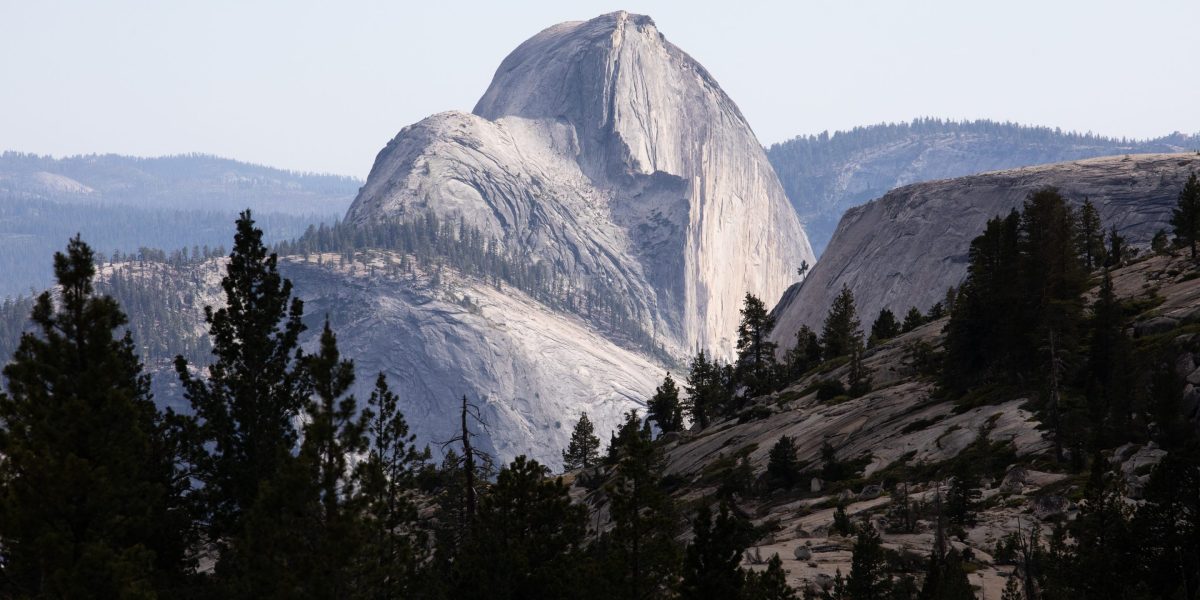
Source: Fortune. Casualplayhub News adds summary, context, and editorial framing while linking back to the original report.
America’s national parks are enduring a punishing stretch of environmental crises. The Grand Canyon, a crown jewel of the system, was hit by devastating floods last week that damaged nearly 40% of its sole water pipeline and triggered search-and-rescue operations. That disaster came on the heels of wildfires that scorched the park’s northern edge earlier in 2025, marking two major natural calamities in less than a year.
But the Grand Canyon is not alone in its struggle. Yosemite National Park is currently battling wildfires that have forced the closure of Highway 140, a key artery for visitors. Now, the park faces a different kind of threat — not from nature, but from a private developer seeking to carve out a piece of its land.
Kingsbarn Realty Capital, a real estate firm, has been in discussions with the National Park Service (NPS) for nearly a year over a proposed transfer of roughly 700 feet of parkland. The company owns an 83-acre parcel called Hazel Green Ranch, located just outside Yosemite’s western boundary. This property, historically significant as a stagecoach route into the park from the late 1800s to the early 1900s, lost its role as an entrance when automobiles replaced horse-drawn carriages.
Kingsbarn wants to build a road across the 700-foot strip to connect Hazel Green Ranch to Big Oak Flat Road, a major thoroughfare inside Yosemite. Currently, access to the ranch requires an 11-mile drive on forestry roads through Stanislaus National Forest. The developer argues that a direct road would reduce traffic on those Forest Service roads, ease congestion around Yosemite, and benefit the environment.
In a statement to Fortune, the Department of Interior, which oversees the NPS, said there has been “no political pressure to reach a predetermined outcome” and that “no final decisions have been made.” The department emphasized that any land exchange or access proposal would be subject to all applicable federal laws, regulations, and policies, including environmental review and public notification. “If a proposal advances, the Department will follow established procedures to ensure appropriate coordination, transparency and public involvement consistent with federal law,” the statement read.
Kingsbarn’s attorney, Lanny Davis, told Fortune that the company has held more than a dozen meetings with the NPS to find a legal path forward. “We’ve been negotiating the mechanics of a land exchange that is legal,” Davis said. “A purchase of a right of way or even the actual property from the Park Service is not legal by a private developer. The only thing that’s a legal way of doing it is an exchange.”
The legal landscape for transferring public park land to private hands is murky. The NPS’s FAQ site states that only government entities can acquire surplus federal property for park and recreational use through its Federal Lands to Parks program. However, the Department of Interior’s Bureau of Land Management notes that it “does occasionally sell parcels of public land” when land-use planning deems it appropriate and in the public interest. Such sales require the land to meet one of three criteria: it is scattered and hard to manage, no longer needed for its original purpose, or disposal would serve important public objectives like community expansion or economic development.
Davis argues that the Hazel Green Ranch road project meets the public interest test. “Hazel Green has agreed to build and maintain this road at its expense to meet all federal, state, and local standards,” he said. “It is good for the environment, keeps cars off the Forest Service roads, and helps ease congestion in, and around, Yosemite National Park. Clearly, these benefits are in the public interest.”
As the negotiations continue, Yosemite’s wildfire crisis underscores the park’s vulnerability. The proposed land exchange could set a precedent for private development within national park boundaries, a move that conservationists are likely to scrutinize closely. For now, the fate of that 700-foot strip rests on legal interpretations, environmental reviews, and the balance between public access and private gain.
Article commentary
The proposal by Kingsbarn Realty Capital to acquire a 700-foot strip of Yosemite National Park for a private road highlights a perennial tension in American land management: the clash between private development and public preservation. While the developer frames the project as a way to reduce congestion and environmental impact, the underlying issue is whether a private entity should be allowed to carve out a piece of a national park for exclusive access to its adjacent property. The legal framework for such transfers is deliberately restrictive. The National Park Service’s mandate is to conserve park resources unimpaired for future generations, and selling or exchanging land to private developers runs counter to that mission. The Bureau of Land Management’s allowance for land sales under specific criteria is not a blank check; it requires a clear public benefit. Kingsbarn’s argument that a road would ease traffic on Forest Service roads and reduce emissions is plausible, but it also raises questions about the precedent it would set. If one developer succeeds, others may follow, potentially leading to a patchwork of private roads and enclaves within park boundaries. Critics will note that the Hazel Green Ranch itself is a historic property that once served as a stagecoach entrance to Yosemite. That history could be used to argue that the land has a natural connection to the park, but it also underscores that the ranch was replaced for a reason — the shift to automobiles. Reintroducing a private entrance could create a two-tiered access system, where those who own property near the park get privileged entry, while the public remains stuck in traffic on Highway 140. The timing of the negotiations is also notable. Yosemite is currently battling wildfires, and the Grand Canyon recently suffered floods and fires. National parks are under immense stress from climate change, and diverting resources to negotiate land deals with private developers could be seen as a distraction from more urgent conservation priorities. The Department of Interior’s insistence that no political pressure has been applied and that the process will follow federal law is reassuring, but the lack of transparency in early discussions has already drawn scrutiny. Ultimately, the decision rests on whether the proposed land exchange serves the public interest. The developer’s offer to build and maintain the road at its own expense is a sweetener, but it does not address the core question: Should a national park’s land be used to enhance private property value? The environmental review process, which will include public comment, will be the true test. If the benefits are as clear as Kingsbarn claims, the proposal should survive scrutiny. If not, it will be a cautionary tale of how private interests can chip away at public lands, one 700-foot strip at a time.