Burlington Stores Moves HQ and 2,000 Jobs from New Jersey to Philadelphia
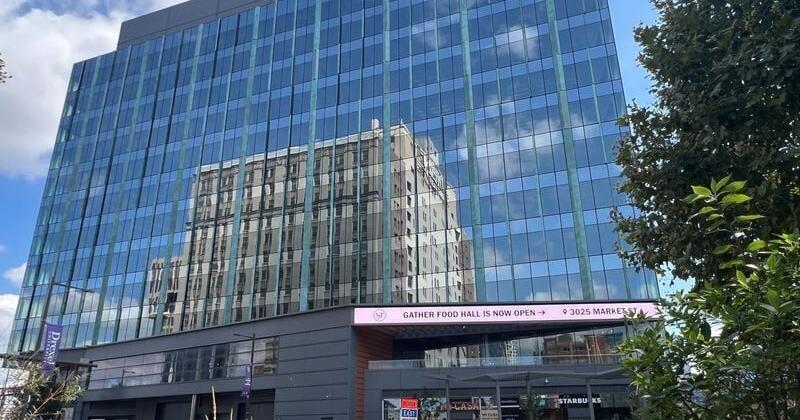
Source: Press of Alantic City Business. Casualplayhub News adds summary, context, and editorial framing while linking back to the original report.
After 54 years in South Jersey, Burlington Stores Inc. is packing its headquarters and heading across the Delaware River to Philadelphia. The discount retailer, known for shedding its coat-centric identity a decade ago, announced a $370 million deal to purchase a newly built office tower at 3151 Market Street, just steps from the city's 30th Street Station. Over the next five years, the company expects to bring 2,000 jobs to the site, a significant boost for Philadelphia's burgeoning commercial corridor.
The move was sweetened by a package of incentives worth $30 million from Pennsylvania and at least $7 million from the city of Philadelphia. In addition, the Philadelphia Parking Authority and SEPTA will offer what Governor Josh Shapiro described as "deeply discounted commuter savings for new Burlington employees in the city." Shapiro, who called the September 3 announcement a "major win" for both the city and state, said in a statement: "Burlington is a fast-growing Fortune 500 company and they have committed to invest hundreds of millions of dollars in our economy."
Burlington's roots trace back to 1972, when Monroe Milstein opened a coat factory in Burlington City, New Jersey. The company, originally named Burlington Coat Factory Warehouse, expanded its inventory over the years to include apparel, home goods, and other items. It rebranded between 2014 and 2016, shifting the emphasis away from coats. Today, the chain operates 1,300 stores in 47 states, with a goal of reaching 2,000 locations.
The company went public in 1983 when it had just 31 stores. A private equity firm acquired it for $2.06 billion in 2006, when the chain had 368 stores, and it returned to public markets in 2013 as a 621-store chain, according to the company's online history.
Its new headquarters will occupy a 441,000-square-foot building in Schuylkill Yards, a major development by Brandywine Realty Trust. The sale is expected to close by September 30. CEO Michael O'Sullivan said executives "were strongly attracted to the energy, talent, and infrastructure that Philadelphia has to offer."
But the departure has also stirred concern in New Jersey. Christina Renna, president and CEO of the Chamber of Commerce Southern New Jersey, said her group has warned for years "about the cumulative impact that New Jersey's high taxes, increasing employer costs and regulatory burdens can have on the state's competitiveness." She added: "When a company founded in South Jersey can move just a few miles across the Delaware River and find a more attractive environment for its future headquarters and growth, we need to pay attention."
Burlington's move is part of a broader trend of corporate relocations between the two states, as companies weigh tax burdens, workforce availability, and quality of life. For Philadelphia, landing a Fortune 500 firm is a coup, reinforcing the city's efforts to position itself as a hub for business and innovation. For New Jersey, it's a reminder of the challenges of retaining legacy employers in an increasingly competitive regional economy.
Article commentary
Burlington Stores' decision to relocate its headquarters from Burlington Township, New Jersey, to Philadelphia is more than a corporate move—it is a stark illustration of the economic tug-of-war playing out across the Delaware River. The $370 million deal, which brings 2,000 jobs to the city's Schuylkill Yards development, was sealed by a combination of state and city incentives totaling at least $37 million, plus additional commuter benefits. While Governor Josh Shapiro celebrated the move as a "major win" for Pennsylvania, the narrative is more nuanced when viewed through the lens of regional economic competition. At its core, this relocation reflects a classic case of corporate arbitrage. New Jersey, long known for its high property taxes, corporate business taxes, and regulatory complexity, has seen a steady outflow of companies to states with more favorable business climates. Burlington, a company that started in a coat factory in South Jersey 54 years ago, is now joining a growing list of firms that have crossed the river for better terms. The incentives offered by Pennsylvania and Philadelphia are not just generous—they are a direct response to New Jersey's perceived shortcomings. Christina Renna of the Chamber of Commerce Southern New Jersey acknowledged that her group has repeatedly warned about the "cumulative impact" of the state's high costs on competitiveness. Yet the move is not solely about taxes. Philadelphia offers a vibrant urban environment with a deep talent pool, robust transit infrastructure, and a concentration of universities and innovation hubs. CEO Michael O'Sullivan cited the "energy, talent, and infrastructure" of the city as key attractions. For a company that has grown from a single store to a Fortune 500 chain with 1,300 locations, access to a dynamic workforce and modern office space is critical. The new headquarters, a 441,000-square-foot tower in the Schuylkill Yards development, positions Burlington at the center of a revitalized district that is already home to other major employers. However, the long-term implications for New Jersey are troubling. The loss of 2,000 headquarters jobs—many of which are high-wage positions—will have a ripple effect on local businesses, property values, and tax revenues. Burlington Township will lose a corporate anchor that has been part of its identity for decades. The state's policymakers must confront the reality that even long-standing corporate citizens are not immune to the allure of a better deal just a few miles away. The incentives offered by Pennsylvania, while substantial, are a fraction of the economic activity these jobs generate. From a broader perspective, this relocation underscores the importance of regional collaboration rather than zero-sum competition. Both states could benefit from coordinated efforts to improve infrastructure, education, and quality of life, rather than battling over individual companies. Yet in the current climate, such cooperation seems unlikely. For now, Philadelphia celebrates a win, while New Jersey faces a sobering reminder that in the game of corporate relocation, loyalty is fleeting, and the bottom line always wins.