Why Timberwolves' John Konchar Cut Was a Smart Cap Move
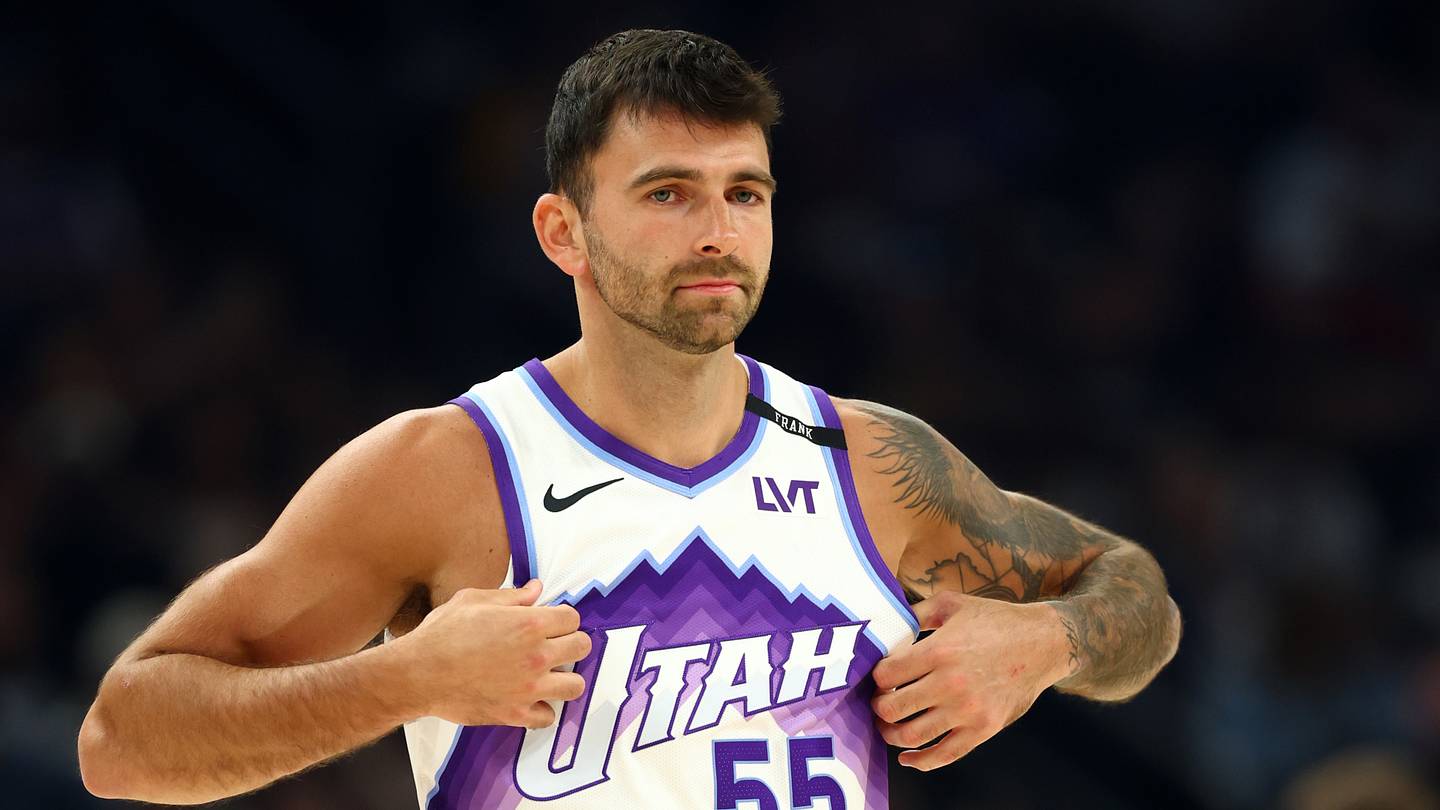
Source: SI NBA. Casualplayhub News adds summary, context, and editorial framing while linking back to the original report.
Ad eligibility review: sensitive-topic
The Minnesota Timberwolves' offseason took a decisive turn last week when news broke that the team had agreed to terms with free agent forward Jonathan Kuminga on a two-year, $12.4 million deal. The plan was clear: slot Kuminga in as the starting power forward, a move that could reshape the team's frontcourt alongside Anthony Edwards and LaMelo Ball. But the contract, with a $6 million starting salary, could not be officially executed until the Timberwolves shed enough salary to stay under the league's second apron hard cap.
Minnesota's front office quickly identified the most logical path. Josh Green, who carried a $14.6 million expiring contract, became the primary trade chip. The Wolves could have waived and stretched Green, but that would have left nearly $5 million in dead money on the cap for three years. Instead, they found a trade partner in the Utah Jazz, sending Green to Salt Lake City in exchange for John Konchar and Cody Williams. Both players earn approximately $6 million, giving Minnesota just enough cap relief to absorb Kuminga's salary while filling all 15 roster spots.
With the trade completed, the Timberwolves faced a choice. They could carry Konchar, a veteran wing who had been a reliable contributor for playoff-bound Memphis Grizzlies teams before being traded to Utah in the Jaren Jackson Jr. deal. Or they could waive and stretch his contract, a move that would create a vacancy on the roster. They chose the latter. The decision to cut Konchar was not based on his ability alone; it was a calculated bet on flexibility and future cap health.
The financial mechanics are straightforward. By stretching Konchar's $6 million salary over three years, the Timberwolves will carry about $2 million in dead money each season, a figure that represents roughly 1.25 percent of the salary cap. That dead cap comes off the books in the summer of 2029, which coincides with the free agency window for Edwards, Ball, and Jaden McDaniels. All three are expected to command significant raises, making any cap space precious. The Wolves have a window of a few years where a small dead-money hit is manageable, and this move fits perfectly into that timeline.
The waiver also reopens the team's 15th roster spot. Minnesota could choose to begin the season with 14 players, but a more likely scenario involves signing a veteran minimum contract. The ideal candidate would be someone like Joe Ingles, who understands limited playing time but provides locker-room leadership and frontcourt depth. The Timberwolves have a specific need: after losing Mike Conley, Kyle Anderson, and Ingles himself in recent years, the team's young stars lack a steady veteran presence. Konchar could have filled that role, but the front office believes the player they can bring in with the open slot will offer more value.
There is also the possibility of releasing Trey Lyles before his contract becomes fully guaranteed on January 10. If Lyles does not succeed in his role, the Wolves could cut him and create additional financial and roster space for another veteran. The team also considered waiving Cody Williams, the former tenth overall pick in the 2024 NBA Draft, but chose to keep him. Despite his struggles on the court so far, Williams' upside and potential for a change of scenery made him worth retaining.
Ultimately, the decision to cut Konchar reflects a broader strategy. The Timberwolves are prioritizing cap flexibility, roster balance, and veteran leadership over a player who, while solid, became redundant on a roster already stocked with wing options like Ayo Dosunmu, Terrence Shannon Jr., Jaylen Clark, and eventually Donte DiVincenzo. The player they sign with the final roster spot may not see heavy minutes, but the value of a steadying influence in the locker room cannot be overstated. The move is a reminder that in the modern NBA, cap management is as important as on-court production.
Article commentary
The Timberwolves' decision to waive and stretch John Konchar's contract is a textbook example of modern NBA cap management, but it also raises questions about the balance between financial prudence and roster depth. On the surface, cutting a player who had been a reliable contributor for a playoff-caliber team like Memphis seems counterintuitive. Konchar's defensive versatility and ability to play multiple positions made him a valuable rotation piece. Yet, the Timberwolves' front office is operating under a different set of constraints. The team's hard cap situation, triggered by the Kuminga signing, left little room for error. The trade for Konchar and Williams was a necessary step to fit Kuminga's salary, but it also created a logjam on the wing. With multiple young guards and forwards already under contract, Konchar became expendable. The choice to stretch his salary, rather than keep him, shows a forward-looking approach. The $2 million in dead money over three years is a minor burden, especially compared to the $5 million that would have resulted from stretching Green. The Wolves are essentially paying a small premium for roster flexibility now, in exchange for the ability to shape their team around their core stars in the future. Critics might argue that the Wolves could have simply kept Konchar and used him as injury insurance or a trade chip later. But the team's need for a veteran presence is real. The departure of Mike Conley, Kyle Anderson, and Joe Ingles left a leadership void that Konchar, despite his professionalism, might not fully fill. The front office is betting that a veteran minimum signing—perhaps a player with playoff experience—will provide more intangible value than Konchar's on-court minutes. This is a gamble, but a calculated one. From a broader perspective, the move underscores the Timberwolves' commitment to building around Edwards, Ball, and McDaniels. The dead cap from Konchar expires exactly when those three players are due for their next contracts, ensuring that the team's cap sheet is clean when they need to allocate money. That kind of long-term planning is rare in the NBA, where short-term wins often take priority. The Wolves are essentially sacrificing a marginal contributor today to maximize their chances of retaining their core tomorrow. Another layer is the decision to keep Cody Williams. The 2024 lottery pick has been a negative on-court player so far, but his potential remains tantalizing. By keeping him instead of stretching his contract, the Wolves are investing in upside. That is a reasonable bet, given the team's developmental track record, but it also means the front office is confident that the veteran they sign later will be better than either Konchar or Williams in the short term. Overall, the Konchar cut is a sound decision that fits the Timberwolves' strategic timeline. It is not a flashy move, but it is the type of disciplined cap management that separates good teams from great ones. The real test will come in January, when the team decides whether to keep Lyles or make another roster move. If the veteran they sign becomes a meaningful contributor, the decision will look even smarter. If not, the Wolves will have little to show for their flexibility. For now, the front office deserves credit for threading the needle between cap compliance and roster construction.