Jellyfish swarm cripples 3.2 GW of French nuclear capacity
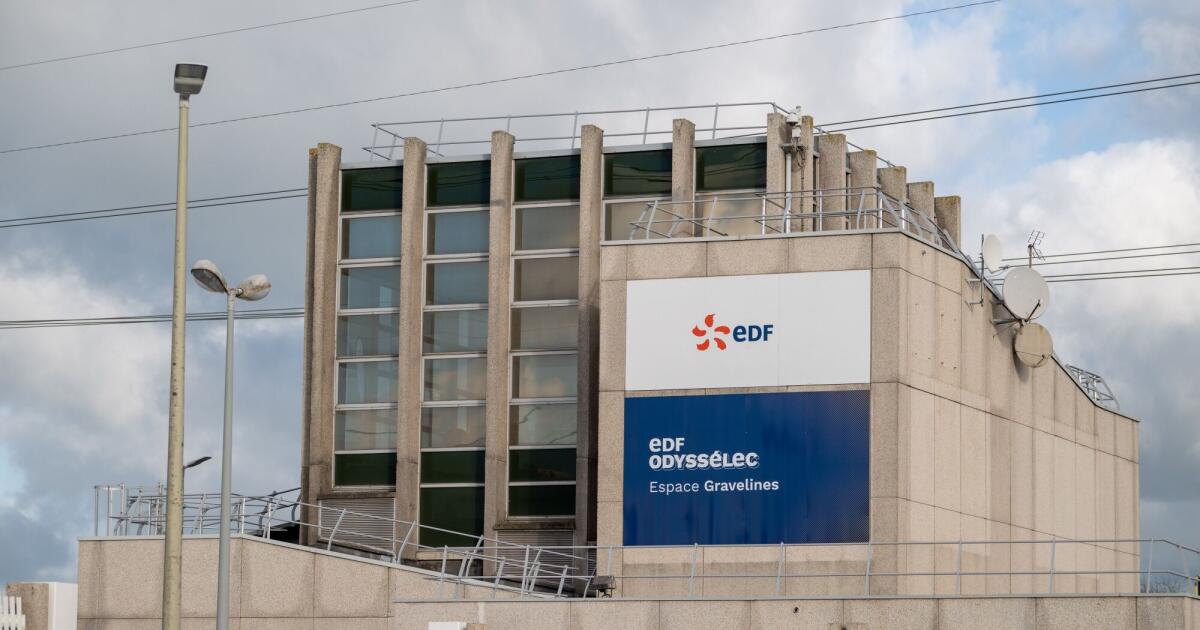
Source: Los Angeles Times Business. Casualplayhub News adds summary, context, and editorial framing while linking back to the original report.
On August 11, 2026, a massive swarm of jellyfish forced Electricite de France (EDF) to take three reactor units offline at the Gravelines nuclear power plant, the largest nuclear facility in Western Europe, and reduce generation at a fourth unit. The total capacity loss amounts to 3.2 gigawatts, roughly equivalent to the output of three large conventional power plants. The shutdown occurred as a blistering heatwave sent temperatures in parts of the country soaring toward 104°F (40°C), dramatically increasing electricity demand for air conditioning and refrigeration.
The jellyfish, likely from the species Pelagia noctiluca or similar, were drawn into the plant's cooling water intake system located on the North Sea coast. The intake filters became so clogged that the water flow needed to cool the reactors was severely restricted, forcing EDF to initiate a controlled shutdown of the affected units to prevent overheating. A fourth unit remained online but at reduced capacity to ease the strain on the cooling system.
This is not the first time jellyfish have caused trouble at coastal nuclear plants. Similar incidents have occurred at nuclear stations in Japan, Scotland, and Israel, where blooms have choked cooling water intakes and forced emergency shutdowns. In 2011, a jellyfish invasion at the Oskarshamn nuclear plant in Sweden temporarily shut down one of its reactors. The Gravelines plant, which houses six reactors with a combined capacity of 5.4 GW, has experienced jellyfish-related issues before, but the scale of this event is unprecedented.
EDF spokesperson Marie Dubois said, "The influx of jellyfish is massive and unexpected. Our teams are working around the clock to clear the intake screens and restore normal operations, but we cannot provide a timeline until the swarm subsides." The company has deployed specialized cleaning equipment and is considering the use of bubble curtains or ultrasonic deterrents to keep jellyfish away from the intake area.
The heatwave exacerbates the situation. France's grid operator RTE warned that the loss of nuclear capacity, combined with soaring demand, could strain the electricity network. While France typically exports power to neighboring countries, it may now need to import electricity to meet peak demand. The government has urged consumers to limit non-essential electricity use during the hottest hours of the day.
Scientists point to warming ocean temperatures as a key driver of the increasing frequency and intensity of jellyfish blooms. Warmer waters create favorable conditions for jellyfish reproduction and expansion, while also reducing the number of their natural predators, such as sea turtles and certain fish. The North Sea, where Gravelines is located, has seen a steady rise in sea surface temperatures over the past decades, making such events more likely.
This incident highlights a broader vulnerability in the energy infrastructure: coastal nuclear plants, which rely on seawater for cooling, are exposed to marine biological threats that are often overlooked in safety assessments. As climate change accelerates, operators may need to invest in more robust intake protection systems, such as fine-mesh screens, underwater barriers, or even alternative cooling methods like dry cooling towers. However, such upgrades are costly and time-consuming.
For now, EDF is focused on restoring the Gravelines units. The French energy minister expressed confidence in the company's ability to manage the situation, but also acknowledged that the event is a wake-up call for the entire nuclear industry. With more than 70% of France's electricity coming from nuclear power, any disruption to the fleet has immediate and significant consequences for the grid and the economy.
Article commentary
The jellyfish-induced shutdown at Gravelines is a vivid reminder that the reliability of nuclear power, often touted as a stable and carbon-free energy source, can be undermined by natural phenomena that are not directly related to the technology itself. While nuclear plants are designed to withstand earthquakes, tsunamis, and extreme weather, biological threats like jellyfish blooms are an emerging risk that has received relatively little attention until recent years. From a technical standpoint, the vulnerability is straightforward: coastal nuclear reactors require vast amounts of cooling water, typically drawn from the sea. When marine organisms clog the intake screens, the cooling system cannot function properly, forcing operators to reduce power or shut down entirely. This is not a failure of the nuclear core or safety systems, but it is a disruption to the plant's ability to generate electricity. The Gravelines incident, which knocked out 3.2 GW, is the largest such event on record, and it occurred during a heatwave when the grid was already under stress. The broader implications are significant. France, which relies on nuclear power for more than two-thirds of its electricity, possesses a highly centralized generation fleet. The loss of a single major plant like Gravelines can create a domino effect across the grid, particularly when demand peaks. This event also exposes the risk of concurrent failures: a heatwave increases demand while simultaneously making cooling systems less efficient, and a jellyfish bloom adds another layer of disruption. The combination challenges the notion that nuclear power is immune to climate-related shocks. Climate change is likely to worsen the problem. As ocean temperatures rise, jellyfish populations are expected to expand in many regions, including the North Sea, the Mediterranean, and the Baltic. Warmer waters also promote the growth of algae and other marine organisms that can clog intake systems. Nuclear operators, along with other coastal industries such as desalination plants and power stations, will need to adapt. This might involve installing advanced filtration technologies, deploying real-time monitoring with drones or satellite imagery to predict blooms, or even relocating intake structures further offshore where jellyfish are less dense. From an economic perspective, the cost of such adaptations must be weighed against the cost of lost generation. A shutdown of 3.2 GW for even a few days can run into tens of millions of euros in lost revenue and replacement power costs. For EDF, which is already under financial pressure from maintenance delays and debt, this is an unwelcome addition. Regulators and policymakers should take note. Safety assessments for nuclear plants typically focus on natural disasters like earthquakes, floods, and hurricanes, but biological hazards are often treated as secondary or even ignored. The Gravelines incident suggests that the industry should conduct probabilistic risk assessments for jellyfish blooms and other marine phenomena, particularly for plants located in areas where blooms are becoming more frequent. Ultimately, this event is a case study in the interconnectedness of ecology, climate, and energy infrastructure. It shows that even the most advanced human-made systems are not immune to the whims of nature. As the world pushes for decarbonization, nuclear power will remain a key part of the energy mix, but its resilience will depend on the ability to anticipate and adapt to a changing environment. The jellyfish have delivered a clear message: no technology is truly isolated from the living world around it.