Jamie Dimon Warns UK Chancellor Healey Against Bank Tax Rise
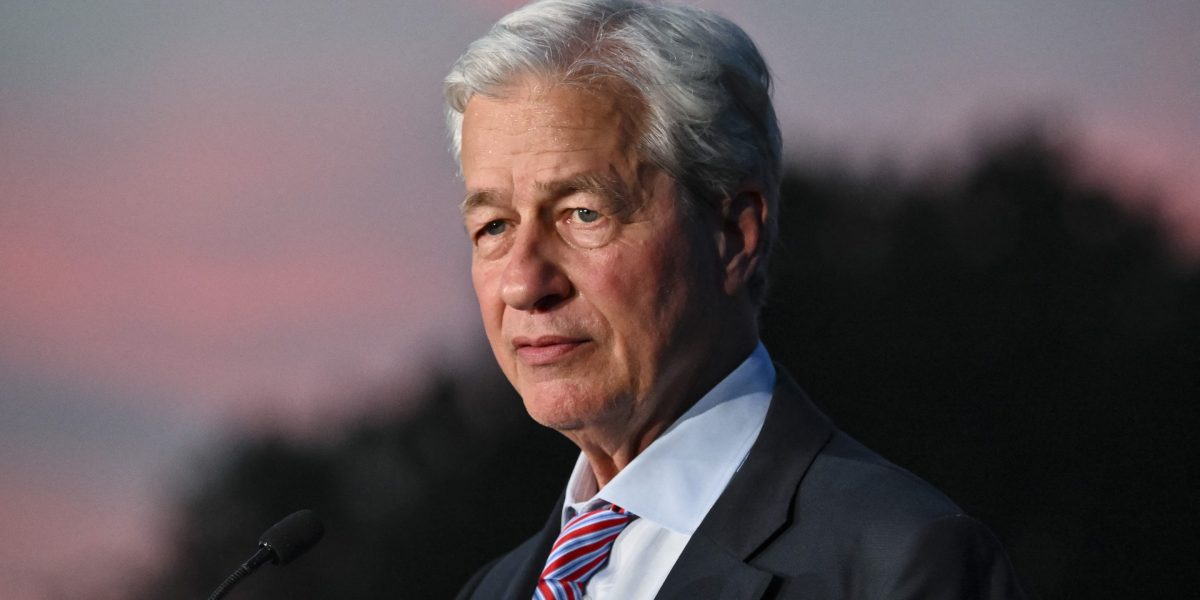
Source: Fortune. Casualplayhub News adds summary, context, and editorial framing while linking back to the original report.
JPMorgan Chase CEO Jamie Dimon has delivered a blunt warning to UK Chancellor John Healey, cautioning against any increase in taxes on banks as the government prepares its budget for October. During a phone call last week, Dimon argued that higher taxes often drive away financial sector jobs, citing the decline in finance employment in New York as a cautionary tale. He blamed a portion of that decline on the city's tax burden, according to individuals familiar with the conversation who spoke on condition of anonymity.
The call comes at a sensitive moment for Prime Minister Andy Burnham's administration, which faces mounting pressure from organized labor and other groups to raise levies on lenders, given the banking industry's robust profits in recent years. Burnham has signaled that the budget could include measures to increase taxes on banks, though no final decisions have been made.
Dimon's concerns are not new. In recent weeks, he has repeatedly criticized the UK's bank tax surcharge, a levy imposed on lenders' profits. Speaking on the Master Investor Podcast with Wilfred Frost on July 16, Dimon warned that an uncompetitive tax system would drive capital away. "If you have a uncompetitive tax system, capital leaves your country," he said, emphasizing that the financial industry is highly mobile and tax policies can significantly influence where banks choose to base their operations and allocate resources.
The UK's banking sector has faced a series of tax changes over the past decade, including a bank surcharge introduced in 2015 and later adjusted. The current surcharge stands at 3% on profits above a certain threshold, on top of the standard corporate tax rate. Industry leaders have argued that the cumulative tax burden makes London less attractive compared to other financial hubs like New York, Singapore, and Dubai.
Dimon's intervention adds to the chorus of voices cautioning against a sharp increase in bank taxes. He pointed to New York's experience, where the finance industry lost jobs partly due to high taxes, as a warning of what could happen in the UK. However, supporters of higher taxes argue that banks have enjoyed record profits and should contribute more to public finances, especially as the government faces budget constraints and rising demands for public spending.
The FT report, which broke the news of Dimon's call, highlights the delicate balance Burnham's government must strike. On one hand, there is political pressure to tax profitable industries more heavily. On the other, there is a risk of alienating the financial sector, which is a major employer and contributor to the UK economy. The upcoming budget will be closely watched by both domestic and international investors for signs of the government's fiscal direction.
Dimon's direct engagement with the Chancellor underscores the high stakes involved. As the head of the largest US bank by assets, his views carry weight in financial circles. The outcome of this debate could shape London's competitive position as a global financial center for years to come.
Article commentary
Jamie Dimon's warning to UK Chancellor John Healey over potential bank tax increases is a classic example of the tug-of-war between fiscal prudence and political expediency. The core of Dimon's argument—that higher taxes drive capital and jobs away—is a familiar refrain in the financial industry, but it carries particular weight given the UK's post-Brexit landscape. London has already lost some ground to other financial hubs, and any additional tax burden could accelerate that trend. However, the government's position is also understandable. With public finances under strain and the banking sector enjoying strong profits, there is a natural political appetite to extract more revenue from lenders. The challenge is calibrating the increase so that it does not undermine the industry's competitiveness. The UK's bank surcharge, while lower than some European peers, is higher than in many Asian and Middle Eastern hubs, making the margin of error thin. Dimon's citing of New York's job losses is a pointed reminder that tax policy has real consequences. New York's financial sector has seen a relative decline as firms expand in lower-tax states like Florida and Texas, as well as international hubs. The UK cannot afford a similar exodus, especially when the City of London is already facing headwinds from Brexit-related regulatory divergence and the rise of Amsterdam and Paris as alternative trading venues. Yet, the debate is not just about tax rates. It is also about what the government does with the revenue. If higher taxes fund infrastructure, education, or innovation that benefits the financial sector, the trade-off could be positive. But if the revenue is used for short-term spending without addressing the structural issues that affect competitiveness, the risk of capital flight becomes real. The involvement of organized labor adds another layer. While unions push for higher taxes on banks, they also represent workers who could be affected if banks cut jobs or relocate. This creates an internal tension for the government, which must balance the demands of its political base with the long-term health of the economy. Overall, this is a high-stakes negotiation. Dimon's direct call shows that the banking industry is willing to engage at the highest levels to protect its interests. The government, for its part, must decide whether to prioritize short-term revenue or long-term competitiveness. The October budget will reveal which path Burnham's administration chooses, and the market will be watching closely.