Pelicans Eye Daniel Gafford in Realistic Trade Before Season
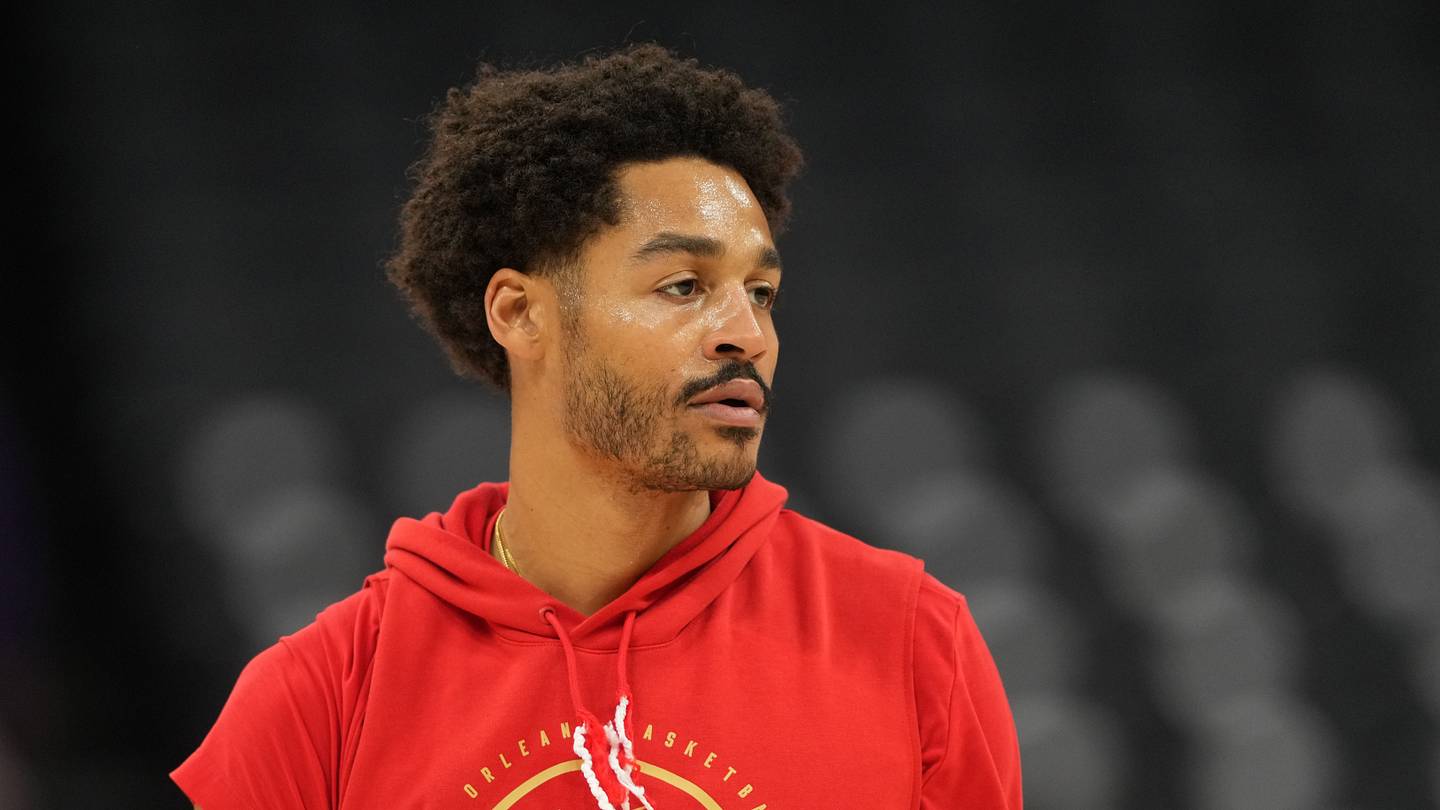
Source: SI NBA. Casualplayhub News adds summary, context, and editorial framing while linking back to the original report.
Ad eligibility review: sensitive-topic
The New Orleans Pelicans have spent the summer in a state of near-total inertia. While other teams reshuffled rosters and chased upgrades, the Pelicans quietly brought back 14 of the 15 players who closed out last season in New Orleans. The only departure was Kevon Looney, and no replacement has been signed. For a team that managed just 26 wins a year ago, this lack of movement is hard to digest—and it has stirred growing frustration among the fanbase.
Yet the offseason is not over. The Pelicans still have time to make a meaningful move, and one realistic option sits on the trade block: Daniel Gafford of the Dallas Mavericks. Reports indicate Gafford is available as the Mavericks enter a new era. Their frontcourt is crowded, and they are looking to offload veteran contracts with trade value. Gafford, who turns 28 this season, has three years and $54 million remaining on his deal. While Dallas may not need him, New Orleans desperately does—the Pelicans lack a starting-caliber center, and Gafford is one of the best they can realistically acquire.
The most straightforward trade path involves sending Jordan Poole to Dallas. Poole carries an expiring $34 million salary for next season, which would give the Mavericks significant cap relief when he becomes a free agent in 2027. The Pelicans could sweeten the offer with a couple of second-round picks. Additionally, New Orleans might absorb Caleb Martin, another player Dallas is reportedly eager to move. Martin, about to turn 31, is owed $10 million next season with a player option for $9.3 million the following year. That second year is considered overpriced, so the Mavericks would likely welcome shedding it. Martin no longer has a clear role in Dallas’ crowded frontcourt, but he could find minutes in New Orleans. He is a solid defender and rebounder, capable of attacking the basket, finishing around the rim, and knocking down open shots.
In this scenario, the Pelicans turn Poole into a starting center and a potential rotation piece. They address their most glaring needs: size, physicality, and rebounding. The trade does come with a downside—taking on long, potentially unfavorable contracts is not ideal. But the Pelicans are in a position where they need to give their fans something to believe in. With no apparent interest in a full rebuild, hope must come from winning more games next season. Acquiring a center like Gafford would go a long way toward that goal.
This trade is not without risks. Gafford’s contract runs through 2027, and if his production declines, it could become an albatross. Martin’s overpriced option adds further financial strain. Yet for a team that has stalled in the standings, the potential reward outweighs the cost. The Pelicans must act before the season begins, or risk another year of disappointment.
Article commentary
The New Orleans Pelicans’ offseason strategy—or lack thereof—has been a study in contradiction. On one hand, the front office has shown remarkable loyalty to a roster that delivered only 26 wins. On the other, they have made no significant additions, leaving a gaping hole at center after Kevon Looney’s departure. The proposed trade for Daniel Gafford is a logical, if imperfect, solution. From a roster construction standpoint, Gafford fills an immediate need. The Pelicans have athletic wings and guards but lack a true interior presence. Gafford is a proven rim runner and shot blocker, averaging 11.9 points and 8.9 rebounds per 36 minutes last season. His contract is reasonable for a starting center, though the three-year term carries risk if injuries or age catch up. At 28, he is entering his prime, but his game relies heavily on athleticism, which can decline quickly. The inclusion of Caleb Martin is a harder sell. Martin’s value has dipped since his Miami days; he is now a fringe rotation player on a deal that overpays him. The Pelicans would be taking on $19.3 million over two years for a player who may not crack the top eight. However, his defensive versatility and rebounding could be useful in a limited role. Financially, the trade clears cap space for Dallas while giving New Orleans short-term help. The Mavericks, who are rebuilding around a new core, get off Gafford’s long-term commitment and gain flexibility. The Pelicans, who have no interest in a tear-down, avoid a full rebuild but commit to a roster that may still be a play-in team at best. The second-round picks are a minor cost, but they represent lost future assets. From a fan perspective, this trade is a band-aid, not a cure. It addresses the most obvious weakness but does not raise the team’s ceiling. The Pelicans are essentially betting that Gafford and Martin can push them from 26 wins to, say, 35—still short of contention. The front office’s reluctance to make larger moves suggests a belief that internal improvement will carry the team. That is a risky bet given the roster’s track record. Ultimately, the Gafford trade is a realistic, pragmatic move. It is not a home run, but it is a solid single. For a team that has done nothing all summer, even a single could feel like a victory. The question is whether the Pelicans will pull the trigger—or remain stuck in neutral.