Texas Company's Greenland Oil Ambition Hits Regulatory Hurdles
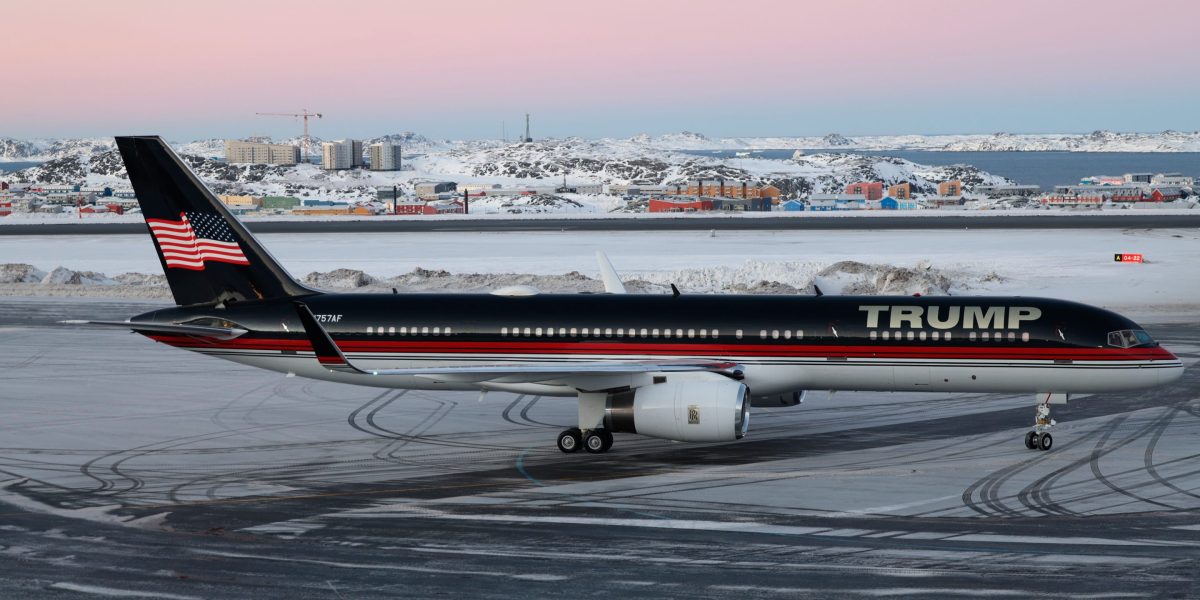
Source: Fortune. Casualplayhub News adds summary, context, and editorial framing while linking back to the original report.
In the shadow of President Donald Trump's persistent calls to annex Greenland, a small Texas driller has been quietly pursuing its own ambitions on the vast Danish territory. Greenland Energy, based in Houston, had envisioned an oil boom along Greenland's sparsely populated east coast, but those visions are now tangled in a web of regulatory delays, community opposition, and geopolitical tensions.
The company's first test well, slated for this summer, was supposed to be accompanied by a camera crew overseen by television personality Phil McGraw, better known as Dr. Phil. But local opposition escalated, and the Greenland government asked for a postponement to winter. Then came a fresh setback this week: a dispute over moving drilling equipment led to yet another delay, pushing the project to the end of 2027—an 18-month postponement.
Oil drilling in Greenland is a particularly sensitive issue. The territory has a moratorium on new licensing due to climate concerns, but Greenland Energy operates through a grandfathered loophole. The White House has repeatedly signaled interest in taking over the icy island to tap its petroleum and critical minerals, adding a layer of diplomatic complexity.
Robert Price, CEO of Greenland Energy, told Fortune that he is disappointed but not defeated. "It was very frustrating. We've had some ups and downs in the last week or so," he said. "We actually had much of the equipment being mobilized. And when we got word from the government, we shut down the mobilization. We had a drilling rig in Calgary that was en route to Montreal. So there were some sunken costs."
Wall Street has not been as patient. Since going public on the Nasdaq Global Market in March, Greenland Energy's market cap has plunged nearly 85% to about $54 million. Yet Price insists the company is stable. "We preserved a lot of cash on hand. Financially, we're still very sound," the veteran oilman said.
The Greenland government requested winter drilling for environmental reasons. "The birds have already migrated. The tundra will not be disturbed. We'll be able to go literally over it when it's iced up," Price explained. But winter in the Arctic Circle brings its own risks: helicopter evacuations become more difficult, and harsh weather poses health and safety concerns. "We do worry about the health and safety of our people if someone got injured, being able to get them out," Price added.
Despite the delays, Price remains optimistic about the prize. "This one well could be up to 2.9 billion barrels of oil. So the prize is still there, and the upside is still there. The timing is the only thing that's changed."
Greenland's oil history is littered with abandoned dreams. After the Prudhoe Bay discovery in Alaska in the late 1960s, Atlantic Richfield Co. (ARCO), later acquired by BP, identified offshore Greenland as a top prospect in the 1970s. More than $100 million was spent on seismic surveys, but unsuccessful pilot programs and the 1980s oil bust killed those efforts. Smaller attempts, including a 2011 drilling campaign by UK's Cairn Energy (now Capricorn Energy), yielded mixed results and were abandoned. Nearly all these projects were offshore, whereas Greenland Energy is taking an onshore approach in the Jameson Land Basin, which remains completely undrilled.
Price believes Jameson could be the next Prudhoe Bay. The key to his plan lies with a defunct British company, White Flame Energy, which won three exploration licenses in the Jameson basin over a decade ago. Those licenses received three-year extensions in 2024. Later that year, UK-based 80 Mile acquired White Flame, and Greenland Energy partnered with 80 Mile to take over the grandfathered licenses—the only ones in Greenland that haven't expired. A reverse merger in early 2025 took Price's company public, renaming it Greenland Energy. Price's team leads operations, while 80 Mile retains a 30% stake.
Progress was steady until a new dispute with the government over a permit to move drilling equipment. The Greenland government believed the company was trying to proceed without permission, but Price says it was a misunderstanding. The government issued a "strong warning" and said all future logistical matters must be approved by the mineral resources authority beforehand. Price explained that the company realized its permit to move equipment onto the site expired at the end of 2025. While waiting for renewal, they made a deal with the Greenland Airports authority to store equipment at Nerlerit Inaat Airport, but they needed an additional permit from the minerals authority. "Everything is squared away now," Price insisted. "There's a lot of time now to make sure that we get it right."
As for the Dr. Phil documentary, it remains on pause, its future uncertain. The project's delays have not dampened Price's resolve, but the road ahead is still fraught with challenges—from Greenland's unpredictable politics to the harsh realities of Arctic drilling.
Article commentary
The story of Greenland Energy is a microcosm of the broader tensions surrounding resource extraction in the Arctic. On one hand, the company's ambitions reflect a persistent belief among some oil executives that Greenland's vast sedimentary basins hold the key to the next major oil province. On the other, the repeated delays underscore the formidable barriers—regulatory, environmental, and political—that any such venture must navigate. Geopolitical context adds another layer. President Trump's overtures about annexing Greenland have made any foreign oil activity there a potential flashpoint. While Greenland Energy is a small Texas firm, the optics of a U.S. company drilling on territory that the American president has publicly coveted are hard to ignore. The Greenland government's cautious approach may be partly a response to that pressure, seeking to avoid any appearance of being rushed or exploited. From a regulatory standpoint, the grandfathered licenses are a double-edged sword. They allow drilling despite the climate moratorium, but they also subject the company to intense scrutiny. The permit dispute over moving equipment—whether a genuine misunderstanding or a bureaucratic misstep—highlights the steep learning curve for companies operating in Greenland's remote, tightly controlled environment. The government's insistence on winter drilling, while environmentally sound, introduces operational risks that could further delay or derail the project. Financially, Greenland Energy is in a precarious position. An 85% drop in market cap signals deep investor skepticism. The company's CEO, Robert Price, remains bullish, but the oil industry is littered with executives who bet big on Greenland and lost. Past failures by ARCO, BP, and Cairn Energy show that even well-funded, experienced players have been unable to unlock the territory's potential. The onshore approach in Jameson Land is novel, but it also means the company is breaking new ground—literally and figuratively—without a proven track record. Community opposition is another wildcard. Greenland's indigenous population and environmental groups have grown increasingly vocal about preserving the fragile Arctic ecosystem. The Dr. Phil documentary, intended to showcase the project, may now serve as a symbol of the disconnect between corporate ambition and local realities. The company's claim of a misunderstanding over permits does little to assuage concerns that they are pushing too fast. Looking ahead, the project's timeline—now pushed to late 2027—gives all parties room to breathe. But it also gives opponents time to mobilize. The climate moratorium, while not directly affecting these licenses, creates a political environment where any fossil fuel development is viewed with suspicion. Greenland's government faces a delicate balancing act: it needs economic development and revenue, but it must also protect its international reputation as a steward of the Arctic. Ultimately, Greenland Energy's fate may hinge less on geology and more on politics. If the company can navigate the permitting maze, survive the winter drilling challenges, and maintain community relations, it might prove that oil exists in Jameson Land. But even then, the road to production is years away, with billions of dollars in investment required. The old adage about Greenland—that it is always the next big thing, but never the current one—still holds. For now, the Texas driller's dream remains just that: a dream, delayed but not dead.