Virginia farm battles weather volatility
Source: CBS19 News Crime. Casualplayhub News adds summary, context, and editorial framing while linking back to the original report.
CHARLOTTESVILLE, Va. — For Terry Allan, a marketer at Encanto Homestead, the past growing season has been a relentless test of endurance. The weather has swung from one extreme to another: torrential rains that turn fields into mud pits, followed by heat waves that push temperatures into the uncomfortable zone. “The crops have been trying to decide if it is too hot to produce fruit, so the heat reduces our yield. Or, if it is too wet and rainy, it spoils the crop for the harvest — like the tender crops such as berries,” Allan said. These swings are not just inconvenient; they are a direct threat to the farm's livelihood.
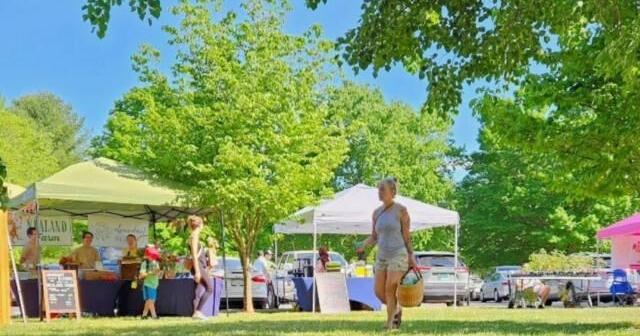
Allan points out that farmers have long been on the front line of climate change. “Every day we wake up and never know if it will be a rainy and muddy or hot and sweaty day,” she said. That unpredictability forces a constant state of readiness. The challenge extends beyond the fields. When the weather turns foul, fewer customers venture to the farmers markets where Encanto Homestead sells its produce. The farm is a regular vendor at both Farmers in the Park and Starr Hill Market, two local venues that depend on foot traffic and community support. A sudden downpour can empty the market, leaving unsold produce that must be donated or discarded.
To adapt, Allan and her team have taken a multipronged approach. They have invested in tents to shield both produce and people from the sun and rain. Fans help keep vendors and customers cool during heat waves, and a generator now powers those fans to prevent overheating. “We have tents, we have fans. We had to get a generator to bring a fan, so we don’t overheat and we are trying to build more structure at the farm to build cover and protect our animals,” Allan explained. That infrastructure is not just for comfort; it is a buffer against the kind of weather that can ruin a season.
Despite the obstacles, Allan insists that Encanto Homestead will continue showing up at market days, rain or shine, unless the market itself is canceled. That determination reflects a deeper resilience among small farmers who have no choice but to weather the storms—both literal and figurative. The farm’s story is a microcosm of a larger trend: as climate patterns become more erratic, the agricultural community must innovate or fall behind. From shade cloths to irrigation systems, farmers are finding creative ways to protect their crops and their livelihoods. For Encanto Homestead, the battle is ongoing, but the commitment to fresh, local produce remains unwavering.
Article commentary
The brief report on Encanto Homestead offers a snapshot of a much larger crisis facing small-scale agriculture in the United States. As climate change accelerates, farmers are increasingly caught in a cycle of extremes—drought, flood, heat, and storms—that disrupts planting schedules, damages crops, and strains financial margins. Terry Allan’s comments highlight the dual burden: not only do farmers have to manage unpredictable growing conditions, but they also face the market consequences of weather that keeps customers away. This is a classic example of how climate risk cascades through the food system. What makes this story notable is the emphasis on adaptation. The farm has invested in tents, fans, a generator, and permanent structures to shield animals and workers. These are not luxury upgrades; they are survival tools. Yet for many small farms, such capital expenditures can be prohibitive. The report underscores a growing inequality: well-capitalized operations may be able to weather the storm, while smaller, community-oriented farms like Encanto Homestead operate on thin margins. The resilience shown here is admirable, but it raises questions about systemic support. Are there enough resources—through grants, insurance, or local government programs—to help these farms adapt? The answer is often no. Another layer is the human toll. Allan’s reference to waking up every day uncertain of the weather captures the mental fatigue of constant vigilance. Farmers are not just growers; they are frontline witnesses to a changing planet. Their experiences are a canary in the coal mine for broader climate impacts. The narrative also touches on the social dimension of farmers markets—they are not just retail outlets but community hubs. When weather discourages attendance, the loss is not just economic; it is a break in the bond between producers and consumers. From a journalistic perspective, the piece is effective in its focus on a single source, though it could benefit from a wider context—such as data on how local weather patterns have shifted over the past decade, or comparisons with other farms in the region. The reliance on one person’s account is understandable given the constraints of a short news segment, but it leaves the analysis thin. Still, the core message is clear: the old rhythms of farming are breaking down, and those who depend on the land are scrambling to keep up. Looking ahead, Encanto Homestead’s story is a call to action for policymakers, consumers, and the agricultural industry. Supporting local farms means recognizing that they are not just food producers but also stewards of the environment and community resilience. As climate volatility increases, the ability to adapt will determine which farms survive. The ones that do, like Encanto Homestead, will likely become models for a more flexible, climate-ready agriculture. For now, they continue to show up, tents and fans in tow, proving that determination can be as important as a favorable forecast.