New Home for Children's Dental Care Opens in Albemarle
Source: CBS19 News Crime. Casualplayhub News adds summary, context, and editorial framing while linking back to the original report.
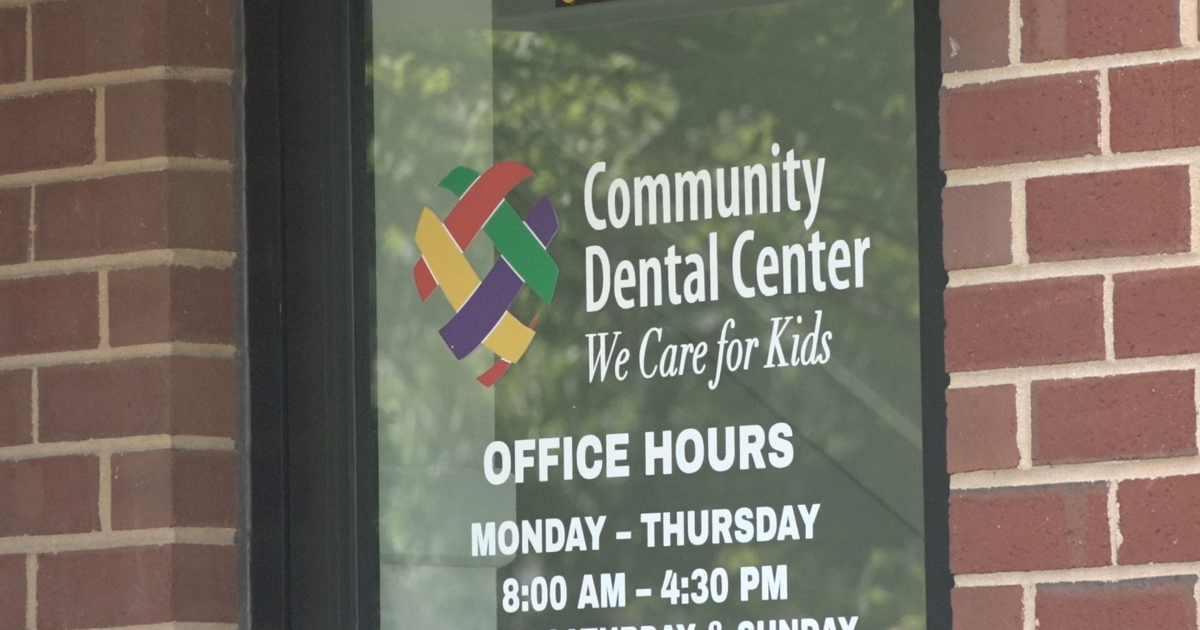
ALBEMARLE COUNTY, Va. — The Community Dental Center has traded its garden-level basement for a brighter, more spacious home at 900 Gardens Boulevard, a move that expands access to dental care for thousands of children across the region. For two decades, the nonprofit has been a lifeline for families who cannot afford private insurance or rely on Medicaid, serving patients from age 1 to 20.
Ted Horn, chairman of the board, recalls the limitations of the old space. “Without proper dental care, a kid can’t go through class all day. He can’t run around and be a kid. He’s going to be worried about his aching tooth,” Horn said. “We provide a place to give that care.” The new location, he notes, is a significant upgrade—offering more treatment rooms, waiting area, and room for equipment.
Staff members emphasize that every child receives the same standard of care regardless of their family’s financial situation or language. Interpreters are available, and the clinic works with Medicaid and sliding-scale fees for the uninsured. Del. Amy Laufer (D-55), who represents the area, praised the expansion. “We know oral care is health care, and especially for children, when they’re in pain and their parents can’t get them to the clinic, this is a great resource to provide these services,” she said. Laufer added that the clinic emerged from a community needs assessment that identified gaps in pediatric dental services.
Diantha McKeel of the Albemarle County Foundation for Education noted that the center’s impact reaches far beyond county lines. “It’s the whole area, our region—children whose families don’t have insurance or only have Medicaid,” she said. McKeel also highlighted a key accessibility improvement planned for the new building: an elevator. “One thing that I know they’re looking to do in this building is to put in an elevator so that children that can’t climb these steep steps can get in easily,” she said. “They have a lift right now, but they need a real elevator.”
The clinic’s relocation comes at a time when dental care for low-income children remains a pressing issue nationwide. In Virginia, many rural and suburban areas lack enough providers who accept Medicaid. The Community Dental Center fills that void, offering preventive care, fillings, extractions, and education on oral hygiene.
Despite the move, the center continues to rely on donations to sustain operations and fund upgrades. The organization’s website provides details on how to contribute. After 20 years in a basement, Horn said the new space ensures the mission can continue for decades to come. “This is a place where kids can feel safe and get the care they need,” he added. “We’re just getting started.”
Article commentary
The relocation of the Community Dental Center from a basement to a dedicated, accessible facility represents more than a simple change of address. It underscores a persistent challenge in American healthcare: the gap between the need for pediatric dental services and the availability of providers willing to accept public insurance. The center’s 20-year history of serving children up to age 20 who are uninsured or on Medicaid highlights a systemic issue. According to the American Dental Association, nearly 40% of children on Medicaid in some states do not receive any dental care in a given year. The new space in Albemarle County, with its planned elevator and expanded capacity, directly addresses physical and logistical barriers that often prevent families from seeking care. Horn’s comment about a child being distracted by a toothache during class is a powerful reminder that oral health is not separate from overall well-being. Studies have linked poor dental health to lower academic performance and higher rates of school absenteeism. By providing consistent, quality care, the center contributes to educational equity. The involvement of local officials like Del. Amy Laufer also points to a broader recognition that community-based nonprofits often fill critical gaps left by public health systems. However, the center’s reliance on donations raises questions about long-term sustainability. While the new facility is a positive step, operational costs—including staffing, equipment, and the elevator installation—require ongoing financial support. The fact that the clinic has operated for two decades suggests strong community backing, but scaling up services may demand more consistent funding streams, such as grants or partnerships with larger health systems. McKeel’s mention of the regional impact is also telling. In many parts of Virginia, especially rural areas, dental deserts are common. The closest Medicaid-participating dentist may be hours away. The Community Dental Center not only serves Albemarle County but acts as a hub for surrounding communities. Its move to a larger location could serve as a model for other nonprofits looking to expand access without sacrificing quality. From a policy perspective, the center’s success highlights the importance of safety-net clinics. While the Affordable Care Act expanded coverage for children, the shortage of providers remains a bottleneck. The new facility is a concrete example of how local action can mitigate systemic failures. Still, without broader reforms—such as higher Medicaid reimbursement rates or loan forgiveness programs for dental professionals in underserved areas—the burden will continue to fall on organizations like this one. Ultimately, the opening of the new Community Dental Center is a cause for celebration, but it also serves as a reminder of the work still needed. The elevator symbolizes more than physical access; it represents the goal of removing all barriers—financial, linguistic, and logistical—that prevent children from getting the care they deserve. The clinic’s next chapter will be closely watched by advocates and policymakers alike.