Highway 20 Enforcement: 20 Speeding Citations Issued
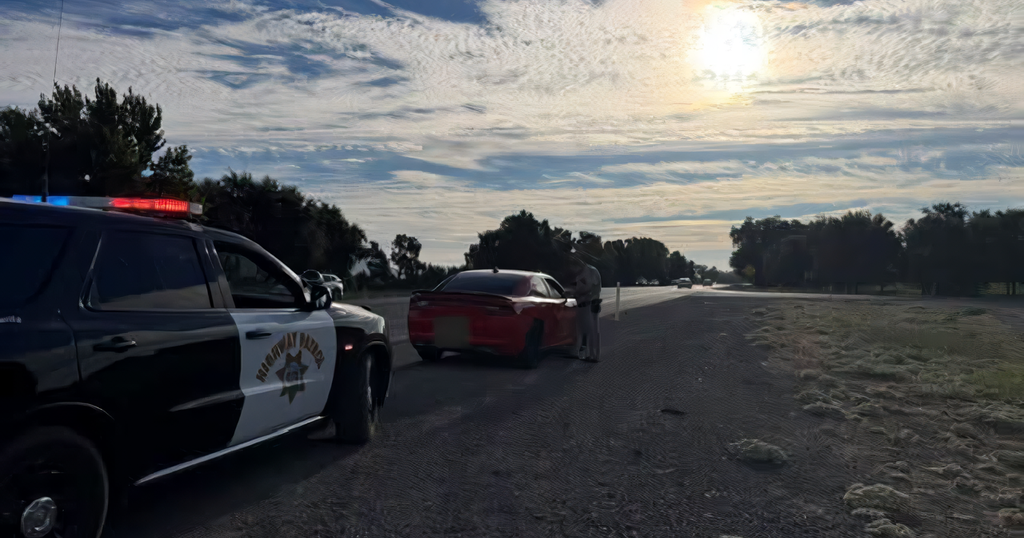
Source: Action News Now Crime. Casualplayhub News adds summary, context, and editorial framing while linking back to the original report.
SUTTER COUNTY, Calif. – A coordinated enforcement operation on Highway 20 on Friday resulted in 20 speeding citations, with two drivers clocked at nearly double the speed limit, according to the California Highway Patrol. Officers from the CHP Williams Area Office and the Yuba-Sutter Office teamed up to target dangerous driving behaviors along the stretch between Yuba City and Williams. The enhanced enforcement focused on three primary violations: exceeding the speed limit, crossing double yellow lines, and unsafe passing. During the operation, officers conducted 33 traffic stops, all of which led to citations for speeding. The CHP reported that two drivers were cited for traveling at 97 mph in a 55 mph zone, a speed that significantly increases the risk of severe crashes. "Speed remains one of the leading causes of traffic crashes," the CHP said in a statement. The agency emphasized that excessive speed reduces a driver's ability to react to hazards and increases the severity of collisions. The enforcement is part of the CHP's ongoing efforts to improve road safety, particularly on highways that see high volumes of traffic and frequent accidents. Highway 20 is a vital corridor connecting the Sacramento Valley to the North Coast, and it carries a mix of commuters, agricultural vehicles, and recreational traffic. The CHP urges motorists to slow down, avoid distractions, and always drive sober. "Every driver has a responsibility to make the roads safer for everyone," the CHP added. The operation reflects a broader trend of targeted enforcement campaigns aimed at reducing fatalities and injuries on California highways. In recent years, the CHP has increased its focus on speed enforcement, citing data that shows speed is a factor in nearly one-third of all traffic deaths statewide. The operation on Highway 20 is part of a larger initiative by the CHP to address speeding on rural highways, where speed limits are often higher and enforcement is less frequent. Officers from both offices used radar and pacing techniques to monitor vehicle speeds. The 33 stops represent a significant enforcement effort given the relatively short duration of the operation. The two drivers cited for 97 mph face fines and possible license suspension, depending on their driving records. The CHP reminds drivers that speeding tickets in California can result in hefty fines, increased insurance rates, and DMV points. Beyond the citations, the enforcement serves as a deterrent to other motorists. The CHP also encourages the public to report dangerous driving behaviors by calling 911. The agency's goal is to reduce the number of speed-related crashes, which in 2023 accounted for over 1,000 fatalities in California. By focusing on Highway 20, the CHP aims to make this stretch safer for the thousands of drivers who use it daily. Local residents have expressed concerns about speeding on the highway, particularly near intersections and curves. The CHP plans to continue monitoring the area and conduct additional enforcement operations as needed.
Article commentary
Traffic enforcement operations like the one conducted on Highway 20 serve as a critical tool in reducing dangerous driving behaviors. The issuance of 20 citations, including two for speeds of 97 mph in a 55 mph zone, underscores the persistent problem of excessive speeding on rural highways. While speed limits are set based on road design, traffic volume, and safety considerations, drivers often disregard them, especially on long, straight stretches where enforcement is less visible. The CHP's targeted approach, focusing on specific violations such as speeding, crossing double yellow lines, and unsafe passing, is a strategic way to address the most common causes of crashes. Research consistently shows that speed is a major factor in both the likelihood and severity of collisions. The National Highway Traffic Safety Administration reports that speed contributes to about one-third of all traffic fatalities nationwide. California's own data mirrors this trend. The enforcement on Highway 20 is not an isolated event; it is part of a broader pattern of increased police presence on high-risk roads. However, enforcement alone is not enough. Education and engineering play equally important roles. For instance, road design improvements such as rumble strips, median barriers, and better signage can help reduce speed-related incidents. The CHP's public messaging urging drivers to slow down, avoid distractions, and drive sober complements the enforcement efforts. Community engagement is also vital. When residents see visible enforcement, they are more likely to comply with traffic laws. The 33 traffic stops made in one day represent a significant deterrent effect, especially if the operation is publicized. Yet, the challenge remains: many drivers still choose to speed, often underestimating the risks. The two drivers caught at 97 mph exemplify the extreme end of the spectrum. Such speeds leave little room for error and can turn a minor mistake into a fatal crash. The CHP's decision to highlight these cases serves as a warning to others. From a policy perspective, the effectiveness of such operations depends on consistency and sustainability. One-time enforcement may have temporary effects, but sustained efforts, combined with public awareness campaigns, are more likely to produce lasting behavioral change. The CHP's Williams Area and Yuba-Sutter offices deserve credit for coordinating their resources to maximize impact. Looking ahead, technology such as automated speed cameras could further assist in reducing speeding, though such measures face political and public scrutiny. For now, traditional enforcement remains the backbone of traffic safety. The Highway 20 operation is a reminder that safe driving is a shared responsibility. Motorists must recognize that speeding not only endangers themselves but also others on the road. The CHP's message is clear: obey the law, or face the consequences. As traffic volumes continue to rise, the need for such enforcement will only grow. The 20 citations issued on Friday are not just penalties; they are a small but important step toward saving lives.