Brockton Man Charged in Machete Attack Over Car Repossession
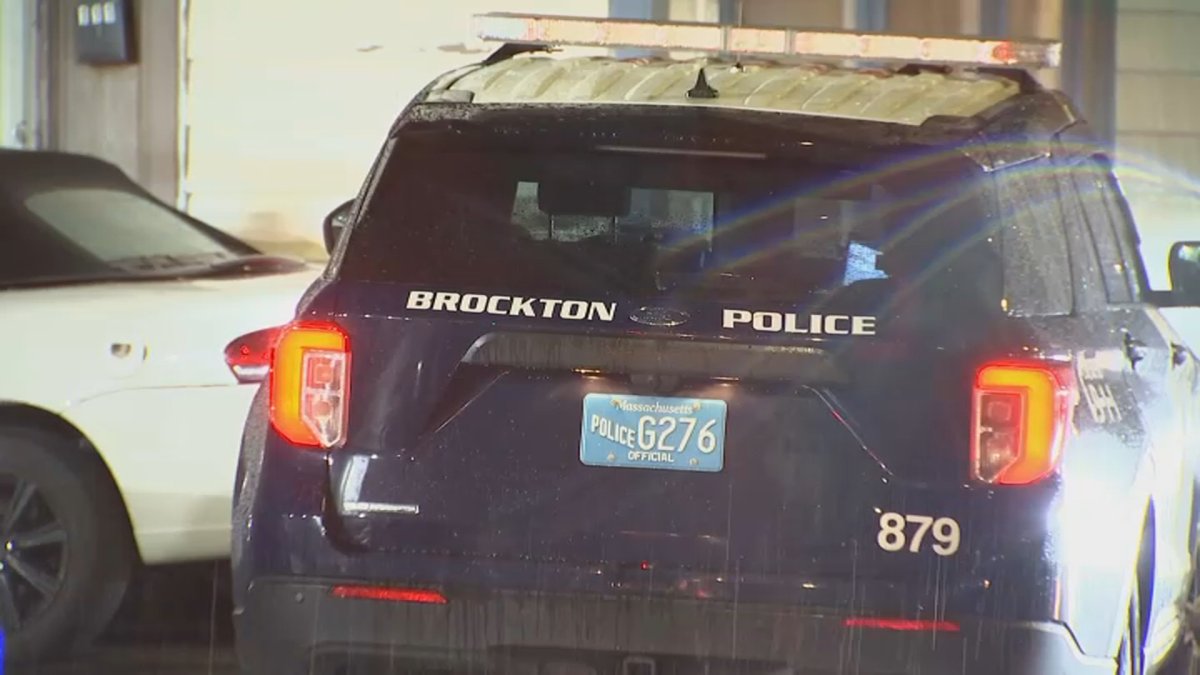
Source: NECN Providence. Casualplayhub News adds summary, context, and editorial framing while linking back to the original report.
Ad eligibility review: sensitive-topic
A Monday afternoon confrontation over a vehicle repossession escalated into a violent machete attack on a quiet street in Brockton, Massachusetts, leaving a 42-year-old man with a severe arm injury and prompting a swift police response.
Shortly before noon, Brockton police received a call for a disturbance on Curve Street. When officers arrived, they discovered a man with a deep laceration on his arm, clearly the result of a slash from a bladed weapon. The victim was rushed to Good Samaritan Medical Center for emergency treatment. As of the latest reports, his condition had not been disclosed.
Witnesses and preliminary evidence led investigators to conclude that the attack stemmed from a heated argument over the repossession of a vehicle. Police have not specified whether the vehicle belonged to the victim or the alleged attacker, but the dispute quickly turned physical, with the suspect allegedly wielding a machete to inflict the injury.
The suspect, identified as 35-year-old Wonder Estiverne of Brockton, fled the scene immediately after the assault. A coordinated effort between local law enforcement and Massachusetts State Police led to his capture later that day. He was brought to the Brockton Police Department for booking.
Estiverne now faces a litany of charges: assault and battery with a dangerous weapon, malicious damage to a motor vehicle, failure to stop for police, negligent operation of a motor vehicle, leaving the scene of property damage, speeding, and a marked lanes violation. The charges suggest that in addition to the machete attack, Estiverne may have also damaged property and attempted to evade police in a vehicle.
It remains unclear whether Estiverne has retained an attorney or if he will be assigned a public defender. The case is still under active investigation by Brockton police, with assistance from state troopers.
This incident is not the only recent violent event in the area. In the same week, a state trooper and two others were injured in a Brockton crash involving a police cruiser. Another incident saw three people hurt after a car slammed into a utility pole and a home. Additionally, a court officer has been charged in connection with allegations involving Brockton's mayor. These events have put a spotlight on public safety in the city.
Vehicle repossession disputes are not uncommon, but they rarely escalate to the use of a weapon like a machete. The case highlights the potential for ordinary financial disagreements to turn dangerous when emotions run high or when individuals choose to take matters into their own hands. As the investigation continues, authorities are likely examining the circumstances of the repossession to understand the full context of the confrontation.
The Brockton Police Department has not released further details, citing the ongoing investigation. The victim's recovery and the legal proceedings against Estiverne will be closely watched by the community.
Article commentary
The machete attack in Brockton over a vehicle repossession is a stark reminder of how everyday financial disputes can spiral into violent confrontations. While repossession is a legal process for creditors to recover assets when borrowers default, the emotional and financial pressure on the party losing the vehicle can be immense. In this case, that pressure appears to have erupted into a physical assault with a weapon capable of causing severe injury or death. From a legal standpoint, the charges against Wonder Estiverne are serious and wide-ranging. Assault and battery with a dangerous weapon, such as a machete, typically carries significant prison time, especially when the victim suffers a severe laceration. The additional charges—malicious damage to a motor vehicle, failure to stop for police, negligent operation, and traffic violations—suggest a pattern of reckless behavior that goes beyond the initial attack. The inclusion of leaving the scene of property damage and speeding indicates that Estiverne may have attempted to flee in a vehicle, potentially endangering others on the road. This could lead to further charges or enhanced penalties. One notable aspect is the speed at which law enforcement apprehended the suspect. The coordination between Brockton police and Massachusetts State Police demonstrates effective interagency communication, which is crucial in preventing a suspect from leaving the area or causing additional harm. The public should take comfort in this response, but it also raises questions about the prevalence of such incidents. This attack is not an isolated event in Brockton; the same week saw a crash involving a police cruiser and another car-into-structure accident. While not all are related, the cluster of violence and property damage suggests underlying stressors in the community—economic hardship, mental health issues, or simply a lack of conflict resolution skills. From a societal perspective, the use of a machete in a repossession dispute is alarming. Unlike a fistfight or a verbal argument, the introduction of a bladed weapon dramatically increases the potential for lethal consequences. This incident may prompt creditors and repossession agents to review their safety protocols, perhaps requiring police escorts or avoiding face-to-face confrontations when possible. For the public, it serves as a cautionary tale about the dangers of allowing financial disagreements to escalate into physical altercations. Objectively, the case will likely hinge on whether the victim was also acting aggressively or whether Estiverne was the sole aggressor. Self-defense claims could emerge, but the severity of the victim's injury and the fact that Estiverne fled the scene works against such a defense. The legal process will determine accountability, but the broader lesson is clear: repossession may be a routine business transaction, but for those involved, it can be a powder keg. Communities and policymakers might consider more robust mediation services or financial counseling to defuse such tensions before they turn violent. In the end, this incident is a tragedy for all parties—the victim suffering physical trauma, the suspect facing a criminal record, and the community left shaken. It underscores the need for better mechanisms to handle debt-related disputes and for individuals to find non-violent ways to resolve their differences. The courts will now decide justice, but society must also reflect on how to prevent the next machete attack from ever occurring.