Massachusetts Pet Store Dog and Cat Sales Ban Sparks Heated Debate
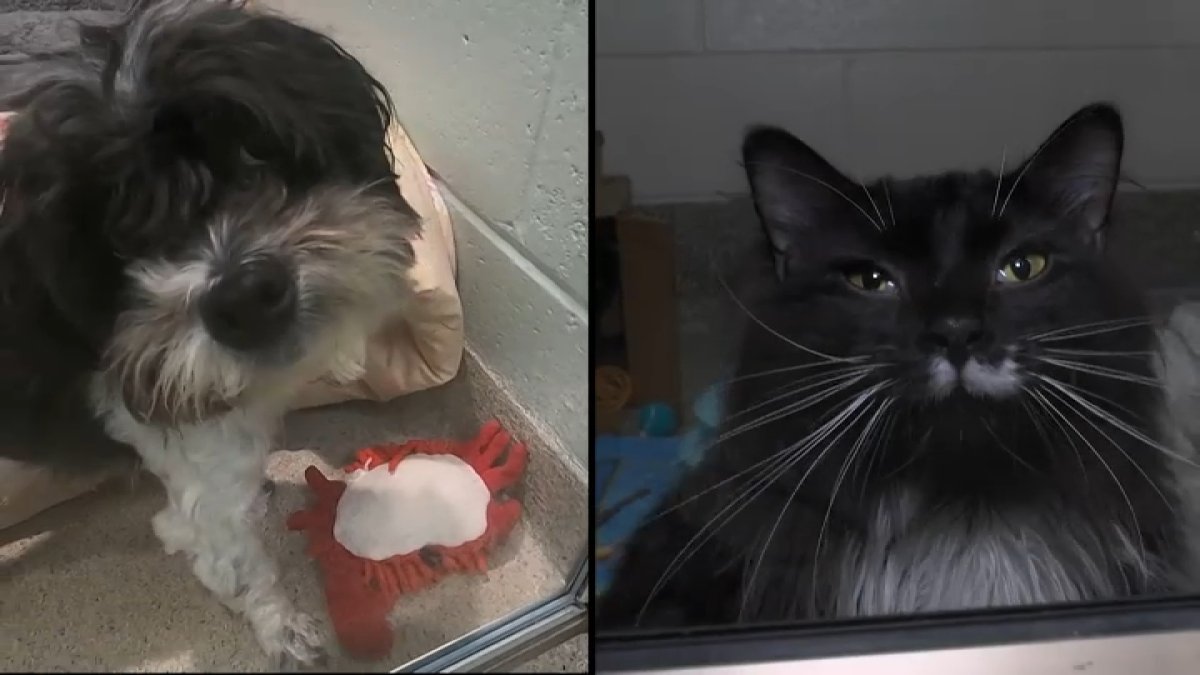
Source: NECN Providence. Casualplayhub News adds summary, context, and editorial framing while linking back to the original report.
Massachusetts lawmakers are locked in negotiations over a sweeping animal welfare bill that could reshape how pets are sold, housed, and protected across the state. At the heart of the dispute is a Senate proposal to ban retail pet stores from selling dogs and cats — a move supporters say would choke off the pipeline from large-scale commercial breeding facilities, often referred to as puppy mills, to storefronts. The bill, known as the Massachusetts PETS Act, cleared the Senate in March and the House approved its own version in July. Now, a conference committee must hammer out a compromise before sending a final package to Governor Maura Healey by the end of the year.
Both versions of the legislation include several shared provisions. They would ban the use of live animals in cosmetic testing, increase funding for the state's animal welfare fund, and prohibit public housing authorities from discriminating against tenants based on the size or breed of their pets. But the question of whether pet stores can continue selling puppies and kittens has emerged as the most contentious issue.
Advocates for the ban point to the conditions in commercial breeding facilities. Allison Blanck, director of advocacy for the Animal Rescue League of Boston, told NBC10 Boston that federal licensing and inspections do not guarantee humane treatment. "They're raised in large-scale commercial breeding facilities. Some of these facilities have hundreds of dogs. They are technically licensed and inspected by the federal government, but those standards are so minimal," Blanck said. Under the Senate proposal, pet stores would be allowed to partner with nonprofit animal shelters to offer adoptions instead of sales. Blanck strongly rejected the notion that this would limit consumer choice. "This is not about limiting consumer choice. People can still go to dog breeders, they can still go to shelters," she said.
Opponents, however, warn that the ban could backfire. The Pet Advocacy Network, which represents pet-related businesses, argues that eliminating regulated pet store sales would create a vacuum filled by less scrupulous operators. Alisa Clements, the organization's director of government affairs, said, "When you ban these regulated businesses, you're going to create an opportunity for less regulated sellers to fill that gap. And it hurts the consumer, and it also hurts the animals." Clements urged lawmakers to strengthen existing regulations rather than impose a prohibition. "If we want to actually do something for animal welfare, we strengthen those protections for animals and for consumers, raise those standards, not eliminate responsible, regulated businesses," she added.
Some pet owners also question the effectiveness of the approach. Russell Smith, a Massachusetts resident, said, "It seems to me that the question is really how are we protecting the animals themselves? How are we making sure that people are breeding pets responsibly?" His comment reflects a broader uncertainty about whether a retail sales ban alone can address the root causes of irresponsible breeding.
The House version of the PETS Act does not include the retail sales ban, setting up a high-stakes negotiation. Lawmakers have until December 31 to reach a deal. The outcome will be closely watched by animal welfare groups, pet store owners, breeders, and consumers alike. Meanwhile, organizations like Clear the Shelters continue to promote adoptions, with events and stories highlighting adoptable animals like Biscuit, a 5-year-old English bulldog, and Hazel, a 14-week-old Pomeranian-Husky mix, hoping to find forever homes.
As the clock ticks down, the debate underscores a fundamental tension: how to balance the desire for consumer freedom with the imperative to protect animals from cruelty. The final version of the bill could set a precedent for other states considering similar measures.
Article commentary
The Massachusetts PETS Act debate offers a fascinating window into the complexities of animal welfare legislation. At first glance, the proposal to ban pet store sales of dogs and cats seems like a straightforward way to combat puppy mills. But the resistance from industry groups and some consumers reveals that the issue is far from simple. The core question is not whether animal cruelty should be stopped — virtually everyone agrees it should — but rather how to achieve that goal most effectively without unintended consequences. Supporters of the ban make a compelling case. They argue that even federally licensed facilities can operate under minimal standards, and that the profit motive of large-scale breeders often leads to neglect. By cutting off the retail outlet, they hope to reduce demand for commercially bred puppies and kittens, steering consumers toward shelters and responsible breeders. The underlying logic is sound: if the market for puppy mill products is choked, the supply will eventually dwindle. Yet this approach assumes that consumers who want a pet will simply turn to adoption or responsible breeders. In reality, some may seek out unlicensed sellers online or through classified ads, where oversight is even weaker. The Pet Advocacy Network's warning about the creation of a less regulated gray market is not just industry spin — it is a plausible risk that lawmakers must weigh. Another layer of complexity is the distinction between retail pet stores and other sources. Many pet stores that sell dogs and cats are themselves regulated at the state and local level, and some have robust standards. Banning all sales could penalize responsible businesses while doing little to address the worst offenders, who may already operate outside the retail system. Strengthening enforcement, increasing inspection frequency, and raising minimum care standards might be a more targeted approach. But such measures require sustained political will and funding, which are often harder to secure than a simple ban. From a consumer perspective, the debate also touches on personal freedom. Some people prefer to buy a pet from a store because they can see the animal in person and interact with it before making a decision. Others may have specific breed preferences that are harder to fulfill through shelters. The bill does not ban direct purchases from breeders, so those options remain — but the convenience and accessibility of retail stores would disappear. The question is whether that trade-off is acceptable in the name of animal welfare. Ultimately, the Massachusetts PETS Act represents a broader national conversation about the ethics of pet commerce. Several states and cities have already enacted similar bans, and the results are being closely studied. Early evidence is mixed: some areas have seen increases in shelter adoptions, while others have reported a rise in online scams and unregulated sales. Lawmakers in Massachusetts have the opportunity to craft a compromise that includes strong consumer protections, better enforcement, and support for shelter partnerships — rather than a simple prohibition. The end-of-year deadline adds pressure, but it also offers a chance for thoughtful deliberation. Whatever the outcome, this debate will likely influence animal welfare policy across the country for years to come.