Active Incident in North Charleston Prompts Police Response, Residents Advised to Avoid Area
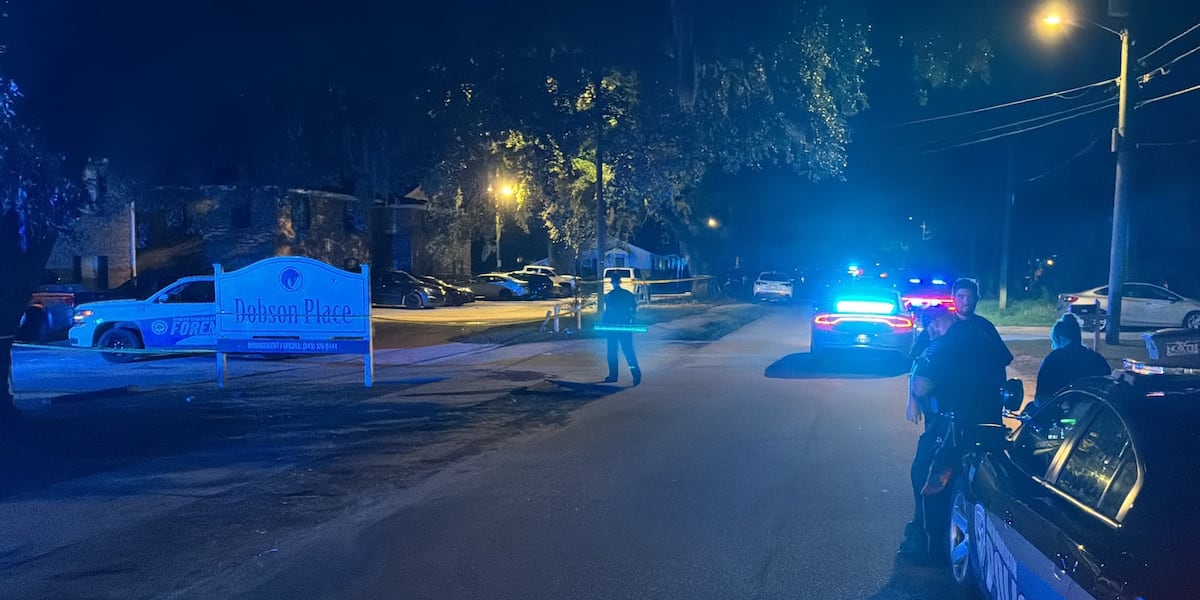
Source: Live 5 News Crime. Casualplayhub News adds summary, context, and editorial framing while linking back to the original report.
Ad eligibility review: sensitive-topic
Late Monday evening, the North Charleston Police Department mobilized to the scene of an active incident on Dobson Street, creating a visible law enforcement presence that has drawn attention from nearby residents. Corporal Lisa Bousquet, a department spokesperson, confirmed that officers are actively engaged in an ongoing situation, though specific details remain sparse. Bousquet urged residents living on or near Dobson Street to avoid the area entirely, emphasizing that the police operation is still unfolding and that public safety is the top priority.
At this stage, authorities have not released information regarding the type of incident, whether it involves criminal activity, a medical emergency, or another type of crisis. No further statements have been issued regarding potential injuries, suspects, or any broader threat to the community. The lack of clarity has led to speculation among local observers, but police have urged patience, noting that the situation is dynamic and that a full briefing will follow once the incident is contained.
The North Charleston Police Department typically responds to a range of incidents, from domestic disturbances to more serious events such as armed standoffs or active shooter scenarios. The designation of an “active incident” often suggests that the situation has not yet been stabilized and that officers are still assessing risks and taking necessary actions. The department has not indicated whether specialized units, such as SWAT or crisis negotiators, have been deployed, but the advisory to avoid the area suggests a significant police cordon is in place.
Dobson Street is a residential area in North Charleston, a city with a population of approximately 115,000 and a history of community policing efforts. Monday night’s incident adds to a series of police responses in the region this year, though the overall crime rate in North Charleston has shown mixed trends. Local officials have not yet linked this event to any broader patterns or investigations.
As the night progresses, residents are advised to stay informed through official channels. The police department has promised to release additional updates as the situation develops. Media outlets, including WCSC, are monitoring the scene and will provide further reporting as details emerge. For now, the priority remains ensuring the safety of everyone involved, and the police request that the public cooperate by staying clear of the area. This is a developing story, and further information will be shared as it becomes available.
Article commentary
The incident on Dobson Street highlights the delicate balance between public safety and the public’s right to know during an unfolding emergency. The North Charleston Police Department’s decision to label the situation as an “active incident” and to ask residents to avoid the area is a standard protocol designed to minimize interference and protect both civilians and officers. However, the lack of immediate details can fuel anxiety and speculation, which is a common challenge in crisis communication. From a journalistic perspective, the initial report from WCSC reflects a responsible approach: it conveys the essential facts—location, time, police advisory—without overreaching or sensationalizing. The phrase “details remain unclear” is honest and avoids spreading unverified information. In an era of instant news and social media, such measured reporting is crucial to prevent misinformation. Yet, the brevity of the original piece also underscores the limitations of covering a live event: reporters can only relay what authorities are willing to share, and sometimes that is very little. This incident also raises questions about community preparedness and trust. Residents in the affected area are likely to feel a mix of concern and frustration, as they are asked to alter their routines without knowing why. The police department’s reliance on a single spokesperson (Cpl. Bousquet) and the use of a generic statement may be strategically wise to maintain control of the narrative, but it also risks alienating the public if updates are too slow or vague. Communication during active incidents often requires a delicate choreography: too much information can compromise operational security, while too little can erode public confidence. Looking at broader trends, North Charleston has experienced its share of high-profile police incidents in recent years, which may influence how the community interprets this event. The city has worked to improve police-community relations through initiatives like community policing and transparency boards. How this incident is handled—both in terms of operational response and subsequent communication—will likely be scrutinized by residents and local advocates. Finally, the media’s role in such situations extends beyond simply reporting facts. As the story develops, WCSC and other outlets will need to balance the urgency of breaking news with the responsibility of verifying information. The placeholder “This is a developing story” is a standard journalistic tool, but it also serves as a reminder that the full picture is not yet available. For the public, patience is advised, but so is vigilance: staying informed through official sources is the best way to navigate uncertainty. In the end, this incident, while still unfolding, offers a case study in crisis communication, community engagement, and the challenges of reporting live events.