State Fair Expo Bridges Senior Care Gap in Nebraska
Source: KSNB Local4 Central Nebraska. Casualplayhub News adds summary, context, and editorial framing while linking back to the original report.
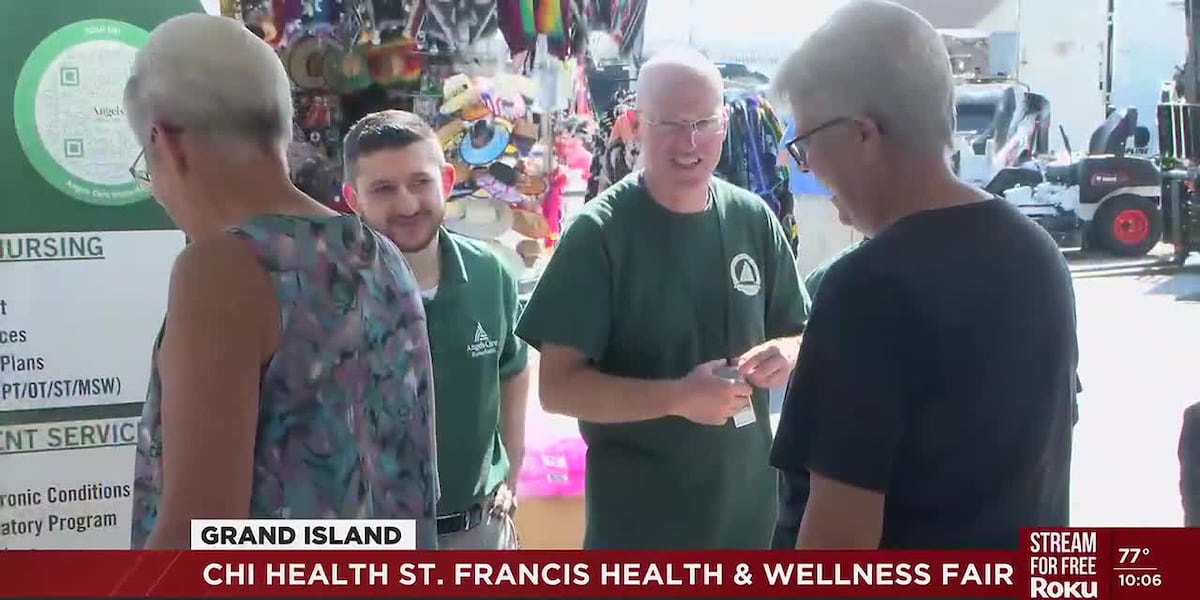
GRAND ISLAND, Neb. — Every year, the Nebraska State Fair sets aside a day to honor its older residents, and this year’s Older Nebraskans Day proved especially impactful. At the heart of the celebration was the CHI Health St. Francis Health and Wellness Fair, an expo designed to connect Central Nebraskans with vital senior care resources. From heart health screenings to retirement planning advice, the fair offered a one-stop shop for families navigating the often complex world of aging.
For local vendors, the event was a prime opportunity to engage directly with the community. Among them was Angels Care Home Health, a provider that specializes in bringing care to people’s homes. Representatives from the organization explained that their primary goal was education. “We’re trying to educate them on where we are, what territory we service, and just some of the main things that our nurses and therapists can do for them,” said leadership with Angels Care. The team noted that a major priority of the fair is reaching seniors in rural communities who want to age in place. “That’s actually where a lot of our patients live,” they explained. “They’re trying to stay at home longer and we’re trying to benefit them in the small towns where they live.”
For attendees, the expo simplified what can often be an overwhelming search for senior care. One mother and daughter who walked the floor said the centralized information was exactly what they needed. “It’s hard to get information about additional care if at some point we need it, and this is a great resource,” they said, adding that they also enjoyed browsing some of the more recreational booths, including a local bookstore setup. “Today is a really nice day so that we can get information about lots of issues with older people.”
Beyond the practical resources, the fair fostered a sense of community. Attendees could chat with healthcare providers, learn about Medicare options, and even pick up a new book. CHI Health leadership emphasized that fairs like this remain a crucial, accessible tool to bridge the gap and bring essential health resources directly to all Nebraskans. The event’s success highlighted the enduring value of face-to-face interaction in an era when much of life has moved online.
As the State Fair continues to draw crowds, the Health and Wellness Fair stands as a reminder that some of the most important connections happen not through a screen, but in person. For the seniors of Central Nebraska, it was a day that brought clarity, support, and a sense of belonging.
Article commentary
The Older Nebraskans Day at the Nebraska State Fair, anchored by the CHI Health St. Francis Health and Wellness Fair, represents a model of community-based senior care outreach that is both timely and necessary. As the population ages, particularly in rural states like Nebraska, the challenge of connecting seniors with appropriate resources becomes increasingly acute. This event demonstrates how a traditional venue—the state fair—can be repurposed to serve a modern, critical need. One of the most striking aspects of the expo is its focus on rural communities. The quote from Angels Care Home Health underscores a key demographic reality: many older Nebraskans live in small towns where access to specialized care is limited. By bringing vendors directly to the fair, the event mitigates the geographic and informational barriers that often prevent seniors from learning about services like home health care, which can be crucial for aging in place. This approach aligns with broader trends in healthcare, where patient-centered models emphasize convenience and community integration. Moreover, the fair’s format—combining health resources with recreational booths like a local bookstore—reflects a holistic understanding of senior well-being. It acknowledges that aging is not solely a medical issue but also one of social connection and quality of life. The mother-daughter duo’s positive experience illustrates how such events can reduce the stress and confusion that often accompany caregiving decisions. By offering a one-stop shop, the fair transforms a potentially overwhelming process into a manageable, even enjoyable, outing. From a public health perspective, the expo serves as an accessible tool for health education. CHI Health’s leadership rightly notes that these fairs bridge gaps, especially for those who may not have regular access to healthcare providers or who are unfamiliar with available services. The face-to-face interaction is particularly valuable for older adults, who may be less comfortable with digital resources. In an era of telehealth and online portals, the personal touch remains irreplaceable. However, the event also raises questions about sustainability and reach. While such fairs are impactful, they are typically annual and limited to one location. For seniors who cannot travel to the State Fair, alternative outreach methods—such as mobile clinics or partnerships with local libraries—may be needed to ensure no one is left behind. The success of the expo suggests that similar initiatives could be replicated in other parts of the state, perhaps during county fairs or community festivals. Another consideration is the evolving nature of senior care. As the baby boomer generation ages, demand for services like in-home care, memory care, and assisted living will continue to grow. Events like this one help educate the public early, allowing families to plan ahead rather than react in crisis. The emphasis on aging in place aligns with what most seniors prefer, but it also requires a robust infrastructure of support services. The fair’s vendors represent a patchwork of that infrastructure, and their presence helps normalize conversations about long-term care. In conclusion, the CHI Health St. Francis Health and Wellness Fair is more than just a booth at the state fair. It is a strategic intervention in the lives of older Nebraskans, combining education, connection, and community. Its success offers a blueprint for other regions grappling with similar challenges. As the state’s population continues to age, innovations like this will become increasingly vital. The fair’s blend of practicality and warmth is a reminder that the best healthcare solutions are often those that bring people together.