Villanova Campus Lockdown Lifted After Suspect Captured
Source: The Philadelphia Inquirer Crime. Casualplayhub News adds summary, context, and editorial framing while linking back to the original report.
A quiet Sunday evening at Villanova University turned tense when a lockdown was ordered at 6:10 p.m., sending students and staff into shelter-in-place mode. The alert, issued by the university’s emergency notification system, described the measure as a “precautionary” step due to the close proximity of an active police search. That search stemmed from a stabbing that occurred on Interstate 476, a major highway running near the campus. The alleged attacker fled the scene on foot, prompting a multi-agency response that included Radnor Township police and Pennsylvania State Police.
Just over half an hour later, at 6:41 p.m., the lockdown was lifted. Police had apprehended the suspect in the 1000 block of East Lancaster Avenue, a commercial and residential corridor adjacent to the university. The arrest was made “without incident,” according to a statement from Radnor police posted on Facebook. Earlier university alerts had warned that the person was believed to be armed.
“There is no threat to the community at this time, and all involved parties have been placed in custody,” the Radnor police statement read. “Our thoughts are with the victim and their family.” The victim’s condition remains unclear, and authorities have not publicly identified the person in custody. The investigation continues under the lead of Pennsylvania State Police.
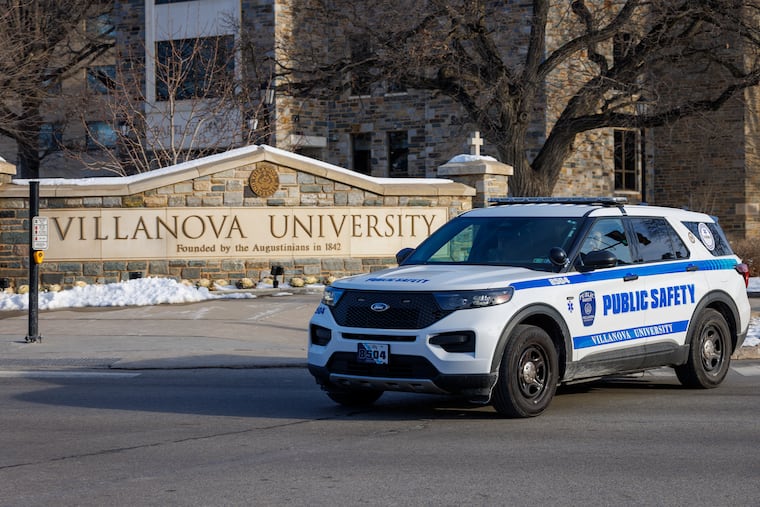
Villanova’s public safety officers were on the scene, coordinating with outside agencies. Lancaster Avenue, a main thoroughfare through the campus, saw a heavy police presence as officers swept the area. Students huddled in dormitories and academic buildings, following standard lockdown protocols. Social media posts from the university urged everyone to stay indoors and avoid windows.
The incident marked the second time in recent months that Villanova had to secure its campus due to an external threat. In January, a similar lockdown followed a nearby police pursuit. University officials have not yet commented on whether the latest event will prompt any changes to campus security procedures.
For now, the campus has returned to normal operations. The quick resolution—less than an hour from start to finish—was credited to effective communication between law enforcement agencies and the university’s emergency response team. The suspect’s motive and the circumstances of the stabbing on I-476 remain under investigation.
Pennsylvania State Police have not released additional details, including the victim’s identity or the extent of their injuries. The Radnor police statement, however, struck a note of reassurance: the immediate danger had passed.
Article commentary
The swift lockdown and resolution at Villanova University highlight the delicate balance between public safety and institutional response. From a law enforcement perspective, the cooperation between Radnor police, Pennsylvania State Police, and the university’s public safety team appears seamless. The decision to alert the campus as a precaution—even though the suspect was off campus—reflects a trend toward heightened vigilance in the post-Columbine era. Many universities now err on the side of caution, issuing lockdowns for incidents that occur nearby, even when the immediate threat is not on campus. This approach can save lives, but it also risks normalizing a climate of fear. The fact that the suspect was apprehended without incident is a testament to effective tactical planning. However, the lack of details about the victim’s condition and the suspect’s identity leaves room for speculation. In an age of instant information, the public often expects immediate transparency, but law enforcement must balance that with investigative integrity. The victim’s family deserves privacy, and the suspect’s rights must be protected. Another layer to consider is the psychological impact on students. Brief lockdowns, while necessary, can disrupt academic flow and cause anxiety. Villanova’s community resilience is commendable, but repeated incidents—even if resolved quickly—can erode the sense of safety that a campus environment is supposed to provide. From a media perspective, the coverage of this event was measured. The original report avoided sensationalism, focusing on facts and official statements. That is the right approach. Yet, the broader narrative around campus safety is often shaped by high-profile tragedies, making even minor incidents feel more alarming than they are. Looking ahead, universities might consider post-incident debriefings that include mental health support for students and staff. The lockdown was brief, but the ripple effects could last longer. The conversation also touches on the role of public safety officers in suburban campuses—Villanova’s private force works alongside municipal police, a model that might be replicated elsewhere. Ultimately, this event underscores the importance of preparedness. The quick capture of the suspect prevented a potential escalation, and the lockdown protocol worked as intended. The challenge is to maintain that readiness without turning campuses into fortresses. The balance between security and openness will continue to be a defining issue for American higher education.