Trial Opens for Ex-Paramedic Accused of Poisoning Wife with Eye Drops
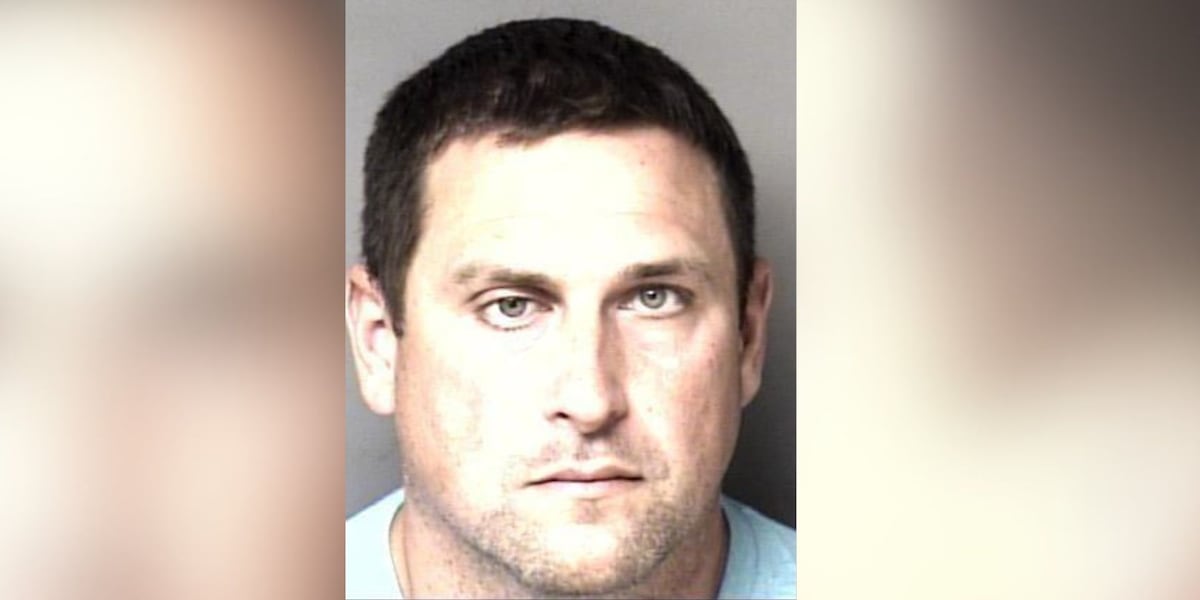
Source: Live 5 News Crime. Casualplayhub News adds summary, context, and editorial framing while linking back to the original report.
Ad eligibility review: sensitive-topic
More than five years after Stacy Hunsucker’s sudden death was dismissed as natural causes, her husband Joshua Hunsucker stands trial for what prosecutors describe as a calculated scheme to profit from her life insurance policy. The trial, set to begin with jury selection on September 8, will delve into the actions of a former paramedic who allegedly turned his medical knowledge into a weapon.
Joshua Hunsucker, now 41, was a paramedic for Atrium Health at the time of his wife’s death in September 2018. Authorities say Stacy Hunsucker, 40, died after being administered tetrahydrozoline, a common ingredient in eye drops that can cause cardiac arrest when ingested in high doses. An initial autopsy attributed her death to natural causes, but a later toxicology report—prompted by suspicions from family members—found elevated levels of the drug in her system.
Prosecutors allege that Hunsucker’s motive was financial. Two days after his wife’s death, according to court documents, he applied for a $250,000 life insurance policy on her life. He was arrested on December 19, 2019, and charged with first-degree murder, insurance fraud, and obtaining property by false pretense. He bonded out on Christmas Eve that year after posting a $1.5 million bond.
The case took a darker turn when Hunsucker was accused of attempting to intimidate a key witness. From 2020 to 2024, he allegedly sent the witness a package demanding he drop charges, drove by his home repeatedly, followed him and his wife at their church, and videotaped them. In February 2023, Hunsucker reportedly filed a false police report claiming he was kidnapped and assaulted while changing a flat tire—a story investigators quickly debunked. They concluded the staged incident was an attempt to shift blame onto the witness for his wife's death.
Even more disturbing, in February 2023, Hunsucker was accused of poisoning his own daughter with tetrahydrozoline and an antidepressant. The child exhibited symptoms including low blood pressure, low heart rate, extreme exhaustion, and altered awareness. Court documents allege the substances were found in her drink.
Hunsucker’s employment at Atrium Health was terminated on December 20, 2019. In a separate incident, he was arrested for allegedly setting a fire inside a medical helicopter mid-flight, though details of that case remain under seal.
The defense has maintained Hunsucker’s innocence, and he pleaded not guilty to all charges. The trial, expected to last several weeks, will hinge on forensic evidence, witness testimony, and the credibility of the defendant’s own actions after his wife’s death. The courtroom is likely to see a parade of experts explaining how a common household product became a lethal agent in the wrong hands.
Article commentary
The trial of Joshua Hunsucker presents a chilling intersection of medical expertise and alleged criminal intent. As a former paramedic, Hunsucker would have had access to and knowledge of tetrahydrozoline’s effects—a substance readily available in eye drops yet deadly when misused. This case raises troubling questions about how easily trusted professionals can exploit their positions. The poisoning method itself is notably insidious: tetrahydrozoline, a vasoconstrictor, can cause sudden cardiac arrest when ingested, leaving few traces if not specifically tested for. It was only through persistent investigation that the initial conclusion of natural causes was overturned, highlighting the importance of thorough toxicology screening in unexplained deaths. Beyond the central murder charge, the breadth of Hunsucker’s alleged criminal behavior—from insurance fraud to witness intimidation and even the suspected poisoning of his own daughter—paints a portrait of a man who may have been willing to go to extreme lengths to avoid accountability. The false report of a kidnapping and assault, which investigators quickly dismissed, suggests a pattern of manipulation. Such actions not only complicate the prosecution’s case but also undermine the integrity of the justice system by wasting resources and potentially intimidating witnesses. The case also underscores the vulnerability of insurance systems. The alleged attempt to collect a $250,000 policy just two days after his wife’s death raises red flags about how quickly beneficiaries can access funds without proper verification. While insurance fraud is common, the coupling with a murder charge makes this a particularly egregious example. The judge’s temporary restraining order freezing those assets was a necessary step to prevent the defendant from benefiting from alleged crimes before a verdict. From a legal perspective, the trial will likely test the admissibility of the witness intimidation evidence and the separate charges of poisoning the daughter. The defense may argue that these incidents are unrelated or that the defendant is being unfairly prejudiced by a narrative of pattern behavior. However, under evidentiary rules, prior bad acts can sometimes be introduced to show motive, intent, or plan—especially when they involve the same substance. The involvement of a medical professional in such a crime also demands scrutiny of workplace oversight. Atrium Health terminated Hunsucker after his arrest, but the question remains: were there any warning signs? Paramedics operate with significant autonomy, and while background checks are standard, substance-related misconduct may not be easily detected. This tragic case may prompt hospitals and emergency services to review their protocols for monitoring employees’ behavior both on and off duty. Public interest in this trial is high, not only because of the shocking method but also because it involves a trusted caregiver turned alleged killer. The outcome will likely influence how similar poisoning cases are investigated in the future, especially when the perpetrator has medical training. As the proceedings unfold, the court will need to balance the defendant’s right to a fair trial against the overwhelming weight of circumstantial and forensic evidence. For the family of Stacy Hunsucker, this trial is a long-awaited step toward justice—but it also serves as a stark reminder that evil can sometimes wear a paramedic’s uniform.