Pappas, Sununu Clinch Senate Primary Wins
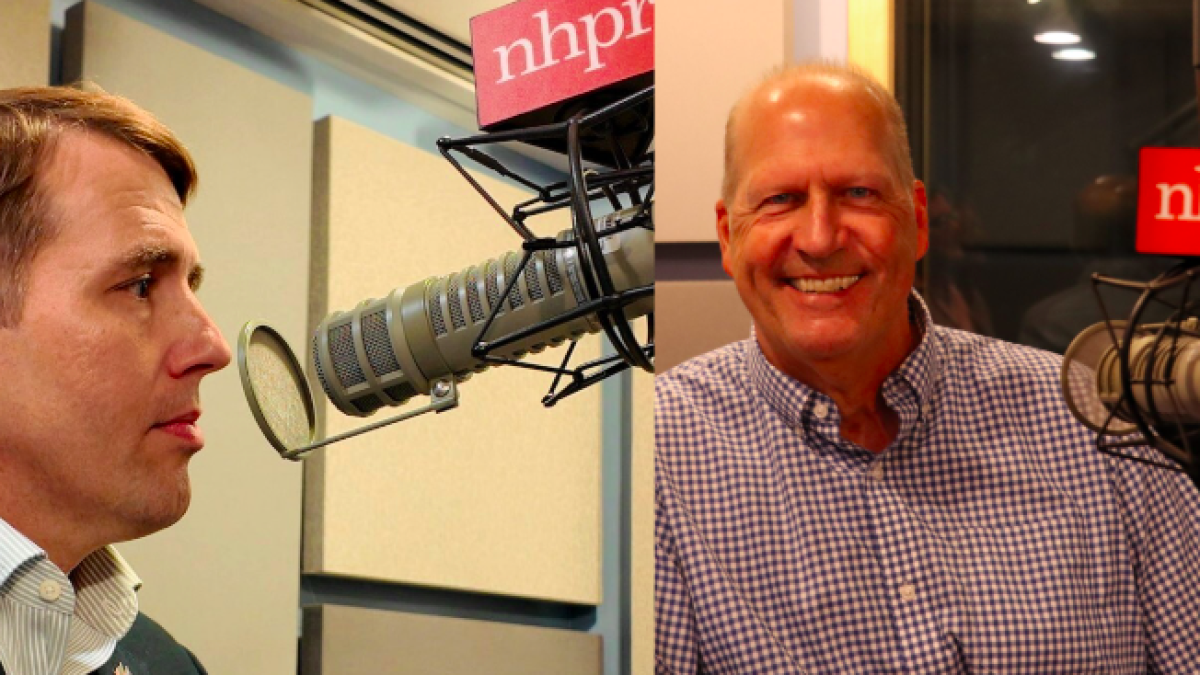
Source: NHPR Crime. Casualplayhub News adds summary, context, and editorial framing while linking back to the original report.
Ad eligibility review: sensitive-topic
The stage for a pivotal U.S. Senate race was set Tuesday as New Hampshire primary voters selected their nominees. Democratic Representative Chris Pappas and former Republican Senator John E. Sununu will compete in November to succeed retiring Senator Jeanne Shaheen, a contest that leaders in both parties view as essential to determining which party controls the chamber.
With early returns showing Pappas holding 62% of the vote against Karishma Manzur’s 27% when 16% of precincts were counted, the outcome appeared decisive. Yet the margin masks a primary that was far more competitive than party insiders anticipated. Manzur, a scientist and progressive activist from Exeter, mounted a grassroots campaign built on sharp ideological contrasts. She logged 28,000 miles on her own campaign van, pushing for Medicare for All, a $25 federal minimum wage, higher taxes on the wealthy, and an end to U.S. support for Israel, which she accused of committing genocide in Gaza. Her most pointed attacks targeted Pappas’s long-standing ties to the American Israel Public Affairs Committee (AIPAC), which has poured hundreds of thousands of dollars into his campaigns over the years.
Pappas, who has represented New Hampshire’s First Congressional District for four terms and previously served as a state representative, Hillsborough County treasurer, and executive councilor, ran as a pragmatic reformer. His campaign emphasized experience and bipartisanship, echoing the styles of popular state Democrats like Shaheen and Senator Maggie Hassan. He finished his primary push with appearances alongside Senators Elizabeth Warren of Massachusetts and Mark Kelly of Arizona, underscoring strong support from national party figures. His family’s ownership of the Puritan Backroom restaurant in Manchester cemented his local ties, giving him familiar face value that Manzur could not match. Despite the final margin, Manzur’s ability to tap into dissatisfaction with establishment politics signaled a persistent ideological divide within the Democratic base.
On the Republican side, Sununu cruised to a commanding victory, securing 70% of the vote against Scott Brown’s 25% in early tallies. Both men are former senators, but the contest was never truly competitive. Sununu’s political brand is deeply rooted in New Hampshire: his brother, Chris Sununu, served as governor, and his father, John H. Sununu, also held the office. This legacy, combined with an early endorsement from President Donald Trump, effectively sealed the outcome. Sununu had once been a vocal Trump critic, but after the endorsement, he largely sidestepped discussing the president, offering only muted criticism on issues like the Iran conflict and tariff policies. Instead, he focused fire on Pappas, accusing him of voting in lockstep with Democratic leadership and supporting higher taxes.
Brown, who represented Massachusetts in the Senate from 2010 to 2012 before moving to New Hampshire for an unsuccessful 2014 Senate bid, stressed his independence but could not overcome Sununu’s advantages in name recognition and fundraising. Without Trump’s backing, Brown’s campaign struggled to gain traction.
Now the race moves to a general election that both parties see as a must-win in the fight for Senate control. The race offers voters a stark choice: Pappas champions pragmatic progressive policies and federal investment, while Sununu advocates for lower taxes and a more restrained government. Turnout in suburban and independent-leaning precincts will likely decide the outcome. The retirement of Shaheen, a popular moderate, creates an opening that Republicans are eager to exploit, while Democrats hope Pappas’s incumbency and local appeal can hold the seat. This classic New Hampshire battle promises to be intimate, intense, and unpredictable.
Article commentary
The results of New Hampshire’s U.S. Senate primaries offer several telling insights into the state of both national parties. On the Democratic side, Chris Pappas’s victory, while expected, was far from a coronation. Karishma Manzur’s surprisingly strong showing—garnering over a quarter of the vote despite being vastly outspent and outgunned in name recognition—reveals a restless progressive wing that is gaining traction even in a state known for its moderate political tradition. Her campaign’s focus on ending U.S. support for Israel, while controversial, resonated with a segment of the party that feels alienated by establishment positions, particularly among younger voters and activists. This dynamic mirrors national trends where primary challenges from the left are forcing incumbents to address issues like Gaza and economic inequality, even if the challenger does not win. Pappas’s reliance on endorsements from figures like Elizabeth Warren and Mark Kelly underscores the need to shore up his progressive credentials, but his deep roots in Manchester’s business and community life—through the Puritan Backroom restaurant—may help him retain moderate and independent voters in the general election. On the Republican side, John E. Sununu’s decisive win validates the power of institutional backing and name recognition, but also raises questions about the party’s relationship with Donald Trump. Sununu’s journey from vocal Trump critic to endorsed candidate illustrates a broader GOP trend: personal reservations about the former president are often shelved in favor of electoral pragmatism. Scott Brown, a former Massachusetts senator who moved to New Hampshire, never had a realistic path once Trump endorsed Sununu. The low-key nature of their primary suggests that Republican voters are prioritizing electability and experience over ideological purity, especially in a competitive general election. Sununu’s strategy of largely avoiding discussion of Trump and focusing his attacks on Pappas may prove effective in a state that values independence, but it also leaves him vulnerable to Democratic efforts to tie him to Trump’s more controversial policies. Looking ahead, the general election battle for Shaheen’s seat is shaping up to be one of the most closely watched races in the country. Democrats need to hold this seat to maintain their narrow Senate majority, while Republicans see it as a prime pickup opportunity. Pappas and Sununu are both well-known, well-funded, and politically seasoned, which suggests a tight, expensive contest. The race will likely hinge on turnout in the suburbs and among independents, who have historically swung between parties in New Hampshire. Pappas will emphasize his moderate record and local ties, while Sununu will cast him as a rubber stamp for Democratic leadership. The outcome may also be influenced by national issues, including the economy and foreign policy, as well as the performance of the Biden administration. In a state where retail politics still matters, both candidates will need to connect with voters on a personal level. The primary results show that while the party establishments got their preferred nominees, the bases are not entirely satisfied. How each candidate navigates that internal friction while appealing to the middle could determine who goes to Washington.