Beloved Geese Vanished from Deal Lake; Residents Demand Answers
Source: Press of Alantic City Business. Casualplayhub News adds summary, context, and editorial framing while linking back to the original report.
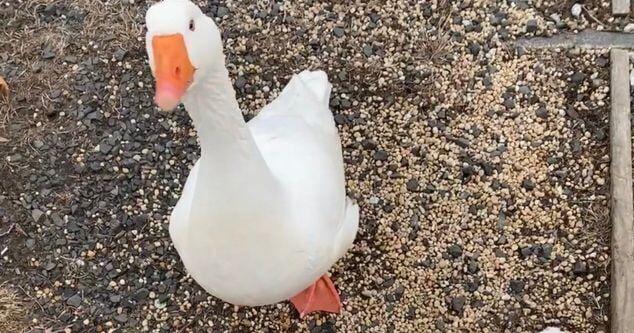
A quiet afternoon along the shores of Deal Lake took a disturbing turn on September 2 when a pair of familiar white geese disappeared under suspicious circumstances. Residents who had watched these birds graze and sleep in their backyards for more than a decade are now demanding answers after a witness reported seeing them being carried off by strangers.
Hillary Huff, a resident of Asbury Park, was near the intersection of Sunset Avenue and Bridge Street just after 2 p.m. when she noticed a man and a woman, both appearing to be in their twenties, each holding a goose in their arms. They walked toward a brown Subaru where a third person was waiting inside. Huff approached and asked where they were taking the birds. According to Huff, the pair claimed the geese were domesticated ducks they had almost hit with their car and that they were on their way to a veterinarian. Huff, unconvinced, later filed a report with the Asbury Park Police Department. The Ocean Township Police Department and the Deal Lake Commission have also been alerted. Neither police agency could be reached for comment by press time.
Ocean Mayor John Napolitano expressed bewilderment. "It's not our jurisdiction, but our residents have reached out to me about the geese. It's absurd. Who would take wild geese?" he said.
The geese had long been a part of the lake community. Linda Beauchamp, whose property backs up to the lake, said they would eat the grass in her backyard and sleep there. She and other residents have called veterinarians, the Monmouth County SPCA, the New Jersey Fish and Wildlife, and other wildlife groups without success. "No one's heard a thing," she said.
Aimee McElroy, a lakefront property owner in Asbury Park, had even named the pair Taco and Churro. She is urging neighbors to check their ring cameras for any footage that might help locate the birds. "We're asking people to check their ring cameras to see if they saw anything. We want them back where they belong," McElroy said.
Residents and local business owners say the geese had been a familiar sight for 10 to 15 years, living freely on the lake but also forming close bonds with those who lived nearby. The sudden disappearance has sparked a mix of anger, sadness, and determination. Many worry about the well-being of the birds, which they consider part of the neighborhood. The community is now spreading the word on social media and through local news, hoping that the trio—or anyone who recognizes the brown Subaru—will come forward. The Deal Lake Commission has been informed, and officials are monitoring the situation. For now, the fate of Taco and Churro remains unknown, but their human neighbors are not giving up the search.
Article commentary
The disappearance of two wild geese from Deal Lake may seem like a trivial matter, but it touches on deeper issues of human-animal relationships, wildlife ethics, and community identity. While some might dismiss the outcry as overreaction to mere birds, the intensity of residents' response reveals how deeply these creatures had woven themselves into the fabric of local life. For over a decade, the geese were not just wildlife; they were companions, daily visitors, and symbols of the lake's natural character. The incident raises questions about the legal and moral status of wild animals that become habituated to human presence. Are they still 'wild' if they sleep in someone's backyard? The trio who took them claimed the geese were 'domesticated ducks'—a misidentification that may have been either a genuine error or a deliberate cover story. If the birds were truly wild, removing them may violate state wildlife laws. New Jersey Fish and Wildlife regulations prohibit the taking of native waterfowl without permits. The fact that residents have contacted authorities suggests they view this as a theft, not a rescue. Yet, the ambiguity remains. Could the geese have been confused for domestic species? The difference between a wild goose and a domestic duck is stark to anyone familiar with birds, but to casual observers, especially in a moment of concern about hitting an animal, mistakes happen. However, the coordinated effort—three people, a vehicle, and a claimed trip to a vet—implies premeditation. If the intention was to help, why not leave contact information or report to local wildlife authorities? The community's response also reflects a broader trend: people increasingly see urban and suburban wildlife as part of their social world. Social media amplifies these connections, turning local incidents into viral stories. This case has the potential to spark debate about what constitutes responsible interaction with wild animals. Should we intervene when we see a goose in a parking lot? Or should we let nature take its course? From a journalistic perspective, this story is a classic human-interest piece with a mystery element. It resonates because it features a small, personal loss that many can empathize with—the sudden absence of something familiar. The lack of resolution so far leaves room for public engagement, which may prompt someone to come forward. Whether the geese are returned or not, this incident has already served as a reminder that our lives are intertwined with the creatures around us, sometimes in ways we don't fully appreciate until they are gone.