Kings' 2026 Starting Lineup: Three Options Explored
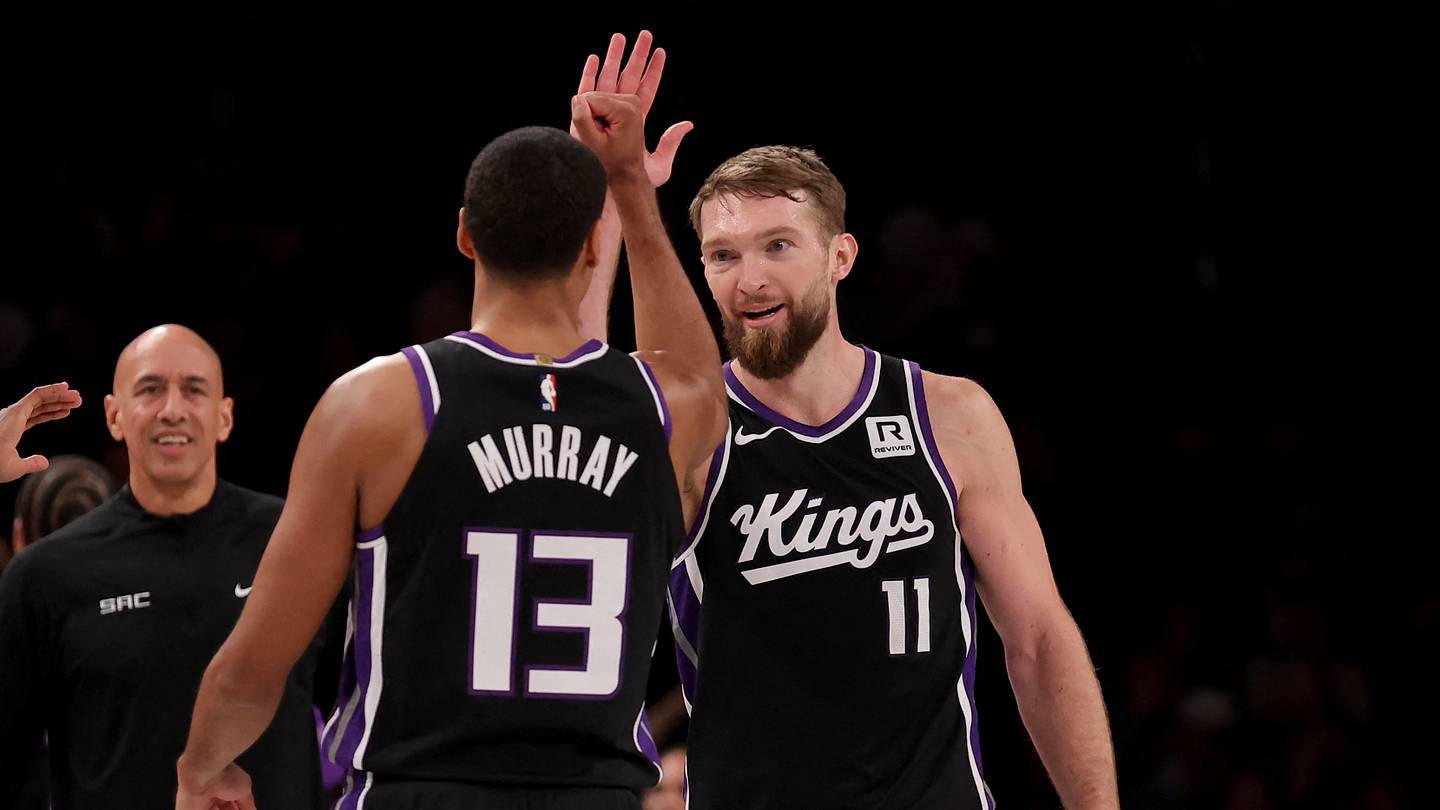
Source: SI NBA. Casualplayhub News adds summary, context, and editorial framing while linking back to the original report.
The Sacramento Kings have signaled that their offseason roster overhaul is complete. Despite persistent trade rumors surrounding Domantas Sabonis and Zach LaVine throughout the summer, both players are expected to return for the 2026-27 campaign. That leaves head coach Doug Christie with a delicate balancing act: integrating a promising young core while managing veterans who may not be part of the long-term plan. The emergence of rookie guard Darius Acuff Jr. as the franchise's future centerpiece gives Christie a clear anchor, but the starting lineup remains an open question. Here are three plausible configurations for the Kings' opening night five.
**Option 1: The Veterans' Edge**
Darius Acuff Jr., Zach LaVine, De'Andre Hunter, Keegan Murray, Domantas Sabonis
This lineup leans heavily on experience. LaVine's role has been uncertain, but starting him allows the Kings to showcase his value ahead of a potential trade. Pairing Hunter and Murray on the wings gives Sacramento its longest and most athletic forward duo in recent memory. Surrounding Acuff with four seasoned players provides a safety net as he adjusts to NBA competition. The downside? LaVine's defensive limitations and the risk of stunting the development of younger players.
**Option 2: The Bigger Picture**
Darius Acuff Jr., De'Andre Hunter, Keegan Murray, Maxime Raynaud, Domantas Sabonis
Subbing LaVine out for second-year center Maxime Raynaud creates a jumbo-sized unit. Raynaud, an All-Rookie selection last season, represents a key building block. Starting him accelerates his growth while giving Christie a chance to evaluate a twin-tower frontcourt with Sabonis. The defensive fit is questionable—both are more comfortable near the basket—but in a season where experimentation outweighs win totals, this lineup offers valuable data. It also sends a clear message that the team is prioritizing youth development.
**Option 3: The Youth Movement**
Darius Acuff Jr., Emanuel Sharp, Nique Clifford, Keegan Murray, Domantas Sabonis
This lineup is the most radical. Rookies Emanuel Sharp and Nique Clifford would join Acuff and Murray, forming a perimeter oriented around young legs. Sharp has already drawn praise as a draft-day steal, and Clifford's two-way potential was evident in his rookie season. While unlikely to start the season, this unit could become the norm after the trade deadline. Last season, injuries forced the Kings to rely heavily on their young players, and that trend may continue. The trade deadline could accelerate the transition, especially if veterans like LaVine are moved.
Christie has flexibility, but he also faces pressure. The Kings are not expected to contend this season, which gives him room to tinker. The three options illustrate different philosophies: maximizing trade value, accelerating development, or embracing a full rebuild. Whichever path he chooses, the team's identity will be shaped by Acuff's growth and the front office's willingness to make moves before the deadline.
Article commentary
The Sacramento Kings find themselves in a peculiar position heading into the 2026-27 season. They are neither a clear playoff contender nor a full-scale rebuild. The decision to hold onto Domantas Sabonis and Zach LaVine, despite active trade rumors, suggests the front office is still weighing its options. The three starting lineup options floated by the coaching staff reflect this uncertainty. Option 1, the veteran-heavy group, is the safest bet. It allows the Kings to showcase LaVine's scoring ability for a potential trade partner while giving Acuff a supportive environment. However, it risks wasting development minutes for younger players like Maxime Raynaud and Emanuel Sharp. With LaVine's defensive shortcomings and his large contract, the team may struggle to find a buyer unless he produces at an All-Star level. This lineup is a calculated gamble on short-term asset management. Option 2, the big lineup with Raynaud, is more intriguing from a developmental standpoint. Raynaud's mobility and shooting touch could complement Sabonis offensively, but the defensive spacing is a concern. Both big men are most effective near the rim, and NBA offenses will exploit that lack of perimeter coverage. Still, the Kings have little to lose by experimenting. If the pairing works, it could be a long-term solution; if not, they know before the trade deadline. Option 3, the all-youth lineup, would be a bold statement. It prioritizes development over short-term results, which might alienate veteran players but could accelerate the team's rebuild. Acuff, Sharp, and Clifford represent a dynamic backcourt of the future, but asking them to start from day one is a heavy burden. Keegan Murray, still only in his third season, would be the oldest starter at 26. This lineup likely only emerges after the trade deadline, when veterans are moved. Christie's coaching philosophy will be tested. He must balance the front office's desire to maintain flexibility with the players' need for clear roles. The Kings' roster is a mix of pieces that don't quite fit together—a veteran star in Sabonis, a declining scorer in LaVine, and a crop of promising but unproven youngsters. The starting lineup choices are more than tactical decisions; they signal the direction of the franchise. If the Kings lean into youth, they are embracing a rebuild. If they stick with veterans, they are hoping to remain competitive while reshaping the roster. Ultimately, the trade deadline will be the real inflection point. The Kings have the assets to reshape their roster quickly. The starting lineup in October may look very different from the one in February. For now, Christie's job is to gather data and keep everyone engaged. The three options provide a roadmap, but the destination remains unclear.