Why Kevin Owens Chose Toronto for His WWE Title Shot Against CM Punk
Source: Wrestling Inc.. Casualplayhub News adds summary, context, and editorial framing while linking back to the original report.
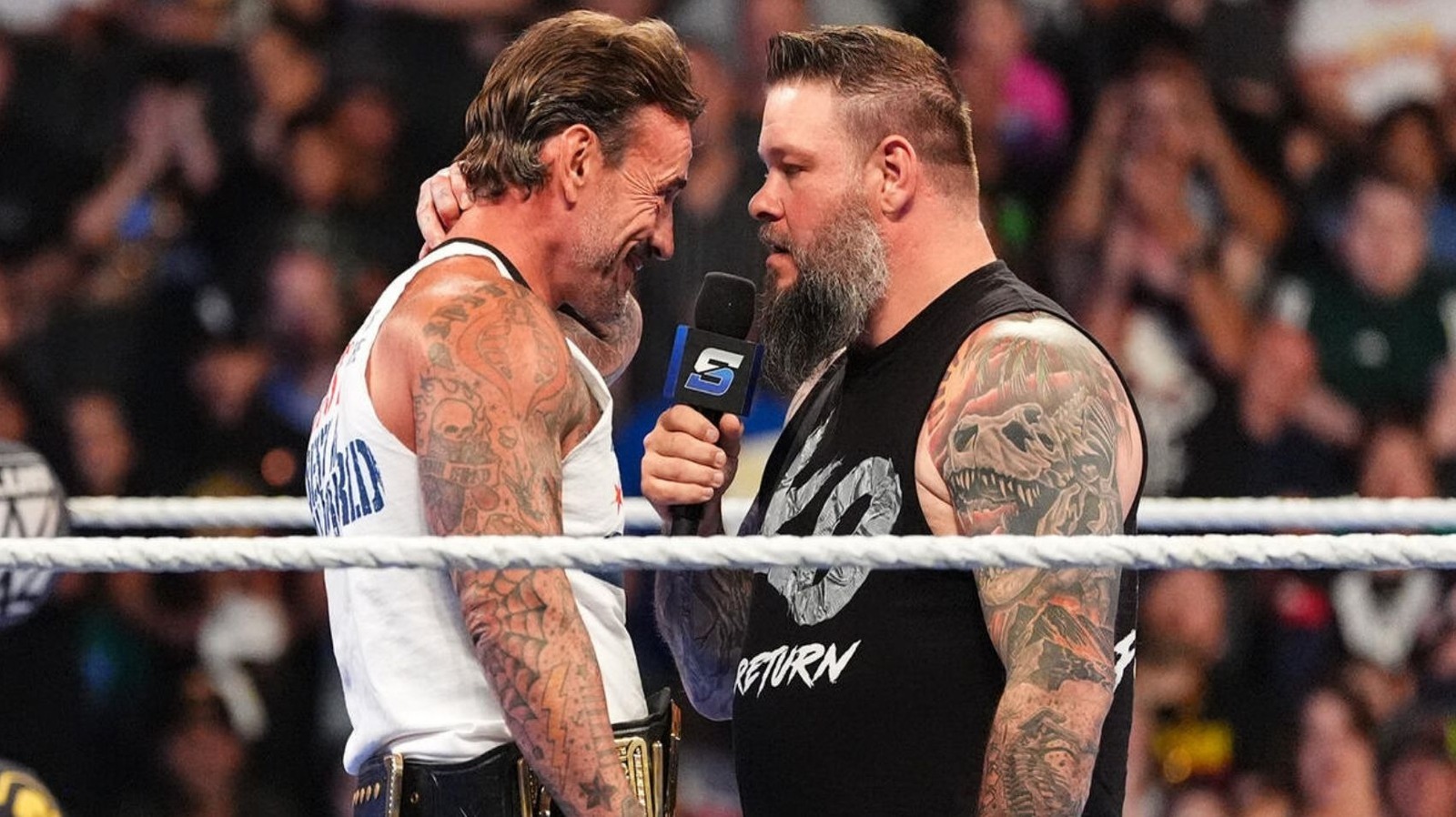
When Kevin Owens stormed back into WWE at SummerSlam and earned a shot at the Undisputed WWE Championship, he had one condition: the match would take place in Toronto. That decision, announced for this Friday's SmackDown, pits Owens against CM Punk, a man with whom he shares real, simmering animosity. The choice of venue, however, is far from random.
In an interview with Faces Magazine, Owens opened up about why he picked Toronto over other cities. Growing up near Montreal, Quebec, he has always felt a strong connection to Canadian crowds. But Toronto carries a heavier weight. It was the site of his last match before a devastating neck injury sidelined him for 17 months. Owens described that night, a bout against Sami Zayn at WWE Elimination Chamber 2025, as a moment when he genuinely believed his career might be over. "I remember thinking, if it is my last match, I really couldn't have asked for a better place to have it, and a better opponent to do it with," he said.
The injury had been a long time coming. Owens revealed that he had been wrestling with the problem for months, hiding the pain until it became unbearable. Surgery followed, then a grueling recovery. Now, back in the ring, he sees the Toronto match as a chance to close a painful chapter. But the personal stakes go even deeper.
Owens shared that his family will be in the arena for the first time in years. His mother, who has dealt with serious health issues, cannot travel long distances. But Toronto is a manageable drive from Montreal. "When I won the Universal Title, my wife, my kids, my parents, they were all watching on TV, but they weren't there live," Owens recalled. "So, if I was able to do that with them live, after everything we've been through, it would just make everything so much better."
He acknowledged that home-field advantage might not be guaranteed. Punk is one of the most popular wrestlers in the world, and Toronto crowds have historically embraced him. Owens didn't shy away from that reality. Instead, he framed it as a challenge: performing in front of a crowd that might be divided, in a city that already feels like a second home, against a man he has real history with.
That history is complicated. Owens and Punk have clashed on multiple occasions, both in WWE and on the independent circuit. Their matches have been marked by stiff strikes, sharp words, and genuine dislike. With the Undisputed WWE Championship on the line, the tension is at an all-time high. Owens, who has held the Universal Title before, is chasing validation after a long absence. Punk, as champion, is looking to prove that his return to WWE has been nothing short of dominant.
Friday's SmackDown in Toronto will be more than just a title match. It is a homecoming for Owens, a test of his resilience, and a chance to rewrite the ending of a story he once thought was finished. The emotions will be raw, the crowd electric, and the stakes undeniable. Whether Owens walks out as champion or not, the night will be one he—and his family—will never forget.
Article commentary
Kevin Owens' decision to stage his Undisputed WWE Championship match against CM Punk in Toronto is a masterclass in storytelling—both personal and professional. At first glance, choosing a city where the challenger may not even have the crowd advantage seems risky. But Owens has never been one to take the easy road. His career has been defined by defying expectations, turning skepticism into fuel, and leaning into the emotional undercurrents of his journey. From a narrative perspective, this match is rich with layers. Owens' return from a 17-month neck injury is already a compelling comeback story. Adding the element of family—especially his mother's health struggles and her ability to attend live for the first time—elevates it beyond sport. It transforms the bout into a personal milestone, where the title is almost secondary to the act of being present with loved ones after years of uncertainty. Punk, meanwhile, is the perfect foil. He is a polarizing figure, loved by many but also capable of drawing genuine heat. The real-life tension between them adds authenticity that scripted rivalries often lack. Punk's popularity in Toronto might neutralize Owens' home-field advantage, but that only raises the dramatic stakes. If Owens can overcome both the champion and the crowd, his victory would carry an almost mythic quality. From a booking standpoint, WWE has a chance to deepen both characters. For Owens, a win would cement his status as a top-tier babyface who overcame adversity. For Punk, a loss wouldn't hurt him—he could pivot to a vengeful heel turn, blaming the Toronto crowd for splitting his focus. Either outcome fuels future storylines. Critically, this match also highlights WWE's increasing willingness to blend real-life emotions with in-ring drama. Owens' openness about his injury, his mother's health, and his desire to share a moment with his family humanizes him in a way that resonates with audiences. In an era where fans crave authenticity, these genuine stakes make the bout feel less like a scripted show and more like a meaningful life event. However, there is a risk: if the match is overshadowed by the emotional buildup, the in-ring action could feel like an afterthought. Both Owens and Punk are capable of delivering a classic, but the expectations are sky-high. The pressure to meet that emotional weight with a memorable performance will be immense. Ultimately, this is a smart, calculated move by Owens and WWE. It turns a standard title match into a must-see event, rooted in real human emotion. Whether he wins or loses, Owens has already won the most important battle: the one that brought him back from the brink, with his family in the front row.