Cavaliers Snag Peyton Watson in Three-Team Deal: Instant Grades
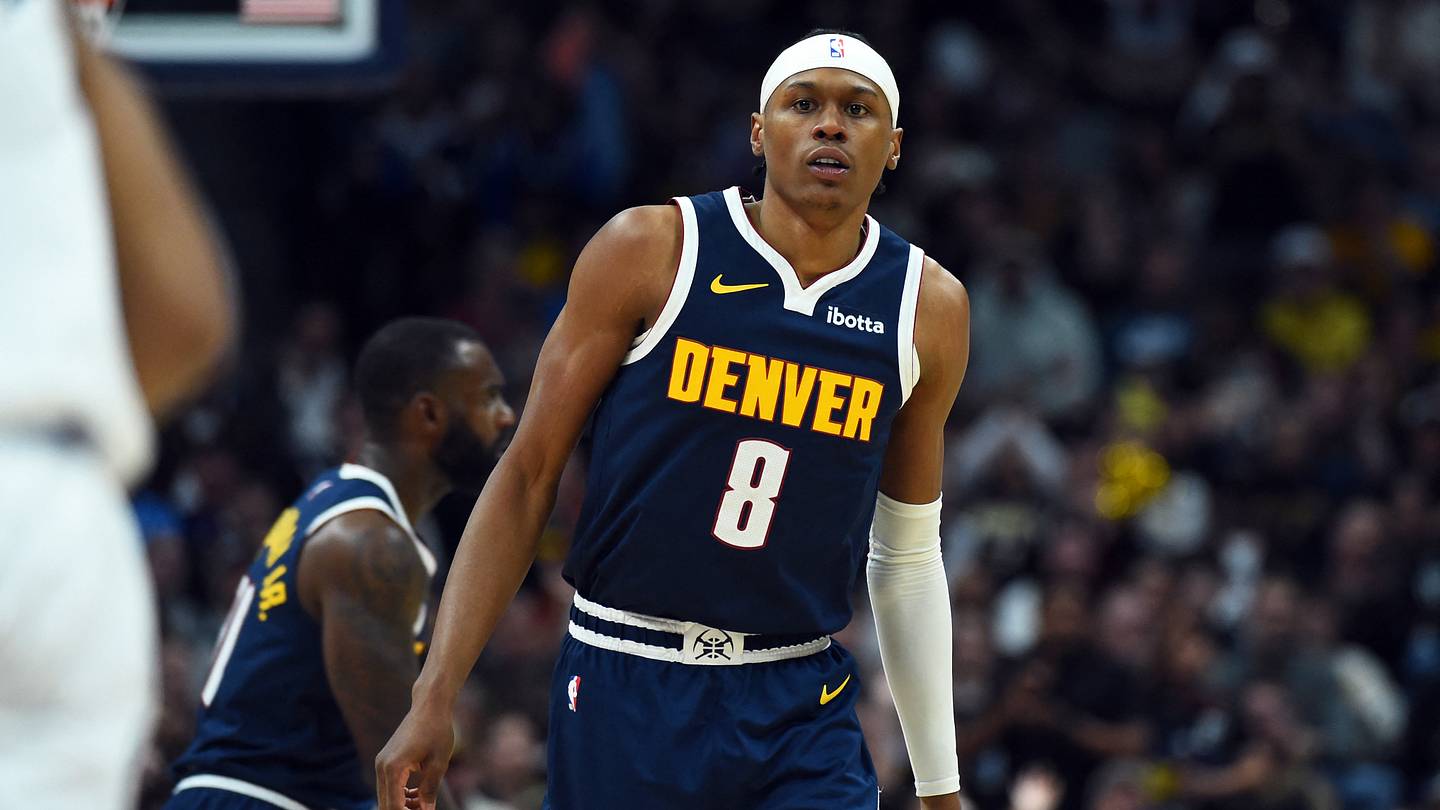
Source: SI NBA. Casualplayhub News adds summary, context, and editorial framing while linking back to the original report.
Ad eligibility review: sensitive-topic
The Cleveland Cavaliers have finally pulled off the trade that fans had been waiting for, acquiring forward Peyton Watson from the Denver Nuggets in a three-team deal that sends Max Strus to the Los Angeles Clippers. The move, which had been rumored for weeks, officially went through late Thursday, reshaping the Eastern Conference landscape.
Watson, who turns 24 in September, brings a rare combination of length, athleticism, and defensive versatility. He is coming off a season cut short by injury, but before that, he had a breakout January, averaging 15.4 points, 6.8 rebounds, and 2.1 blocks while shooting 38% from three. Those numbers caught the attention of several front offices, but Cleveland moved aggressively to secure him.
Strus, meanwhile, leaves behind a legacy of clutch moments. From his explosive debut against the Brooklyn Nets to the game-winning shot against the Dallas Mavericks, he endeared himself to the Cleveland faithful. Injuries slowed his 2025-26 campaign, and he never quite regained his full rhythm. The Clippers, however, are banking on a fresh start. Strus will reunite with Darius Garland, his former backcourt mate, giving Los Angeles a proven shooter and a high-IQ playmaker. With Kawhi Leonard and Brandon Ingram already in the fold, Strus adds another layer of spacing and toughness.
For the Nuggets, losing Watson stings. The timing was dictated by Oklahoma City's offer sheet to Spencer Jones, which Denver could not match without shedding salary. Watson was a key rotational piece, learning from Nikola Jokic, Jamal Murray, and other veterans. His ability to guard multiple positions and knock down shots made him a valuable asset. In return, the Nuggets received only one first-round pick and one second-round pick, a modest haul for a player of his potential.
Cleveland, however, walks away as the clear winner. The Cavaliers' front office, led by Koby Altman, sees Watson as a perfect complement to Evan Mobley. Together, they form a long, switchable defensive front that can disrupt ball screens and protect the rim. The deal also gives the team flexibility. They now have cap space to pursue James Harden in free agency, a move that would add elite playmaking to a roster already loaded with young talent.
Watson has already signed a four-year, $88 million extension with Cleveland, a deal that is only slightly more than what Strus would have earned next season. The contract is structured to keep the core intact while allowing for future additions. If the Cavaliers eventually decide to trade Jarrett Allen, they can move Watson to power forward and insert a more traditional center, maintaining their size advantage.
Defensively, Watson is a nightmare for opposing wings. He has the quickness to stay with guards and the length to challenge forwards. His offensive game is still developing, but he has shown flashes of creation off the dribble and spot-up shooting. The Cavaliers are betting that his trajectory will continue upward in a system that emphasizes ball movement and spacing.
The Clippers, meanwhile, are not just getting a shooter. Strus is a gamer, a player who thrives in high-pressure moments. His experience in deep playoff runs with the Cavaliers and Miami Heat will be invaluable in Los Angeles. The reunion with Garland could unlock a pick-and-roll chemistry that makes the Clippers' offense even more dangerous.
As for the Nuggets, the trade is a reminder of the harsh realities of the salary cap. They had to prioritize keeping their core of Jokic, Murray, and Aaron Gordon, and Watson became the casualty. The return is light, but Denver's front office is betting on internal development and future draft picks to reload.
Overall, this trade reshapes three teams in distinct ways. Cleveland gets younger and more athletic. Los Angeles adds a proven winner. Denver takes a step back but maintains flexibility. Welcome to Cleveland, Peyton Watson.
Article commentary
This three-team trade is a fascinating case study in roster construction, risk assessment, and the ever-present tension between present success and future potential. Let's break down the winners and losers, with a focus on the strategic implications for each franchise. Cleveland Cavaliers: A+ Grade – The Cavaliers are the undisputed winners of this deal. By acquiring Peyton Watson, they addressed a clear need: defensive versatility on the wing. Evan Mobley has emerged as a Defensive Player of the Year candidate, but he often had to cover for smaller guards. Watson's length and lateral quickness allow the Cavaliers to switch almost everything, turning their half-court defense into a fortress. The offensive fit is less certain. Watson is not the shooter Max Strus is; his career three-point percentage hovers around 34%, and he can be streaky. However, the Cavaliers are betting on development. At 23, Watson has already shown the ability to attack closeouts and make smart passes. His learning curve under Jokic and Murray in Denver suggests he understands how to play within a system. The contract is also team-friendly. Four years, $88 million may seem steep, but in the current salary cap environment, a starting-caliber wing with two-way potential is a bargain. The added cap space to pursue James Harden gives Cleveland a secondary playmaker without sacrificing their defensive identity. The only risk is that Strus's shooting will be missed, especially in playoff half-court settings where spacing is paramount. But the Cavaliers are betting that Watson's growth and the team's overall defensive ceiling will outweigh that concern. Los Angeles Clippers: B+ Grade – The Clippers are the quiet winners. They pick up a proven playoff performer in Max Strus, a player who has hit big shots and defended multiple positions. Strus's reunion with Darius Garland is intriguing. The two had strong chemistry in Cleveland, and Garland's ability to create off the dribble will open up catch-and-shoot opportunities for Strus. The Clippers already have Kawhi Leonard and Brandon Ingram as primary scorers, so Strus slots in as a high-level role player. The downside is that Strus is 29 and has a history of injuries. His 2025-26 season was derailed by a foot issue, and he may not be the same athlete. However, his basketball IQ and shooting should translate. The Clippers gave up little in the trade, essentially absorbing Strus's salary. They also maintained their core of Leonard, Ingram, and Garland, making them a legitimate contender in the West. The grade is not an A because Strus does not address their biggest need: a rim-protecting center. But as a complementary piece, he is excellent. Denver Nuggets: C- Grade – The Nuggets were in a difficult position. Losing Watson hurts, but they had no choice after Oklahoma City's offer sheet to Spencer Jones. The return—one first and one second-round pick—is underwhelming for a player of Watson's caliber. Denver's front office, led by Calvin Booth, has built a championship team through smart drafting and development, but this trade highlights the challenges of the second apron. The Nuggets are now top-heavy, relying heavily on Jokic, Murray, and Gordon. They will need to find cheap, productive players through the draft or free agency to fill the rotation. The gamble is that the picks will yield value, but history suggests that late first-rounders rarely become impact players. The Nuggets' championship window is still open, but this trade narrows it. They lose a versatile defender and a player who could have been a key part of their future. The grade reflects the harsh reality: sometimes you have to lose a good player for a mediocre return. Final Thoughts: This trade is a microcosm of modern NBA roster management. The Cavaliers took a calculated risk, betting on youthful upside over proven shooting. The Clippers added a veteran without sacrificing flexibility. The Nuggets made a painful but necessary move. Time will tell which team's strategy pays off, but for now, Cleveland has the most exciting path forward.