Karmelo Anthony Seeks New Trial in Track Meet Stabbing
Source: ABC News US. Casualplayhub News adds summary, context, and editorial framing while linking back to the original report.
A judge in Texas is poised to weigh whether to grant a new trial for Karmelo Anthony, the teenager convicted of murder in the stabbing death of a fellow athlete at a high school track meet. The decision comes after a pivotal legal development: the judge who presided over the original trial was removed from the case Wednesday.
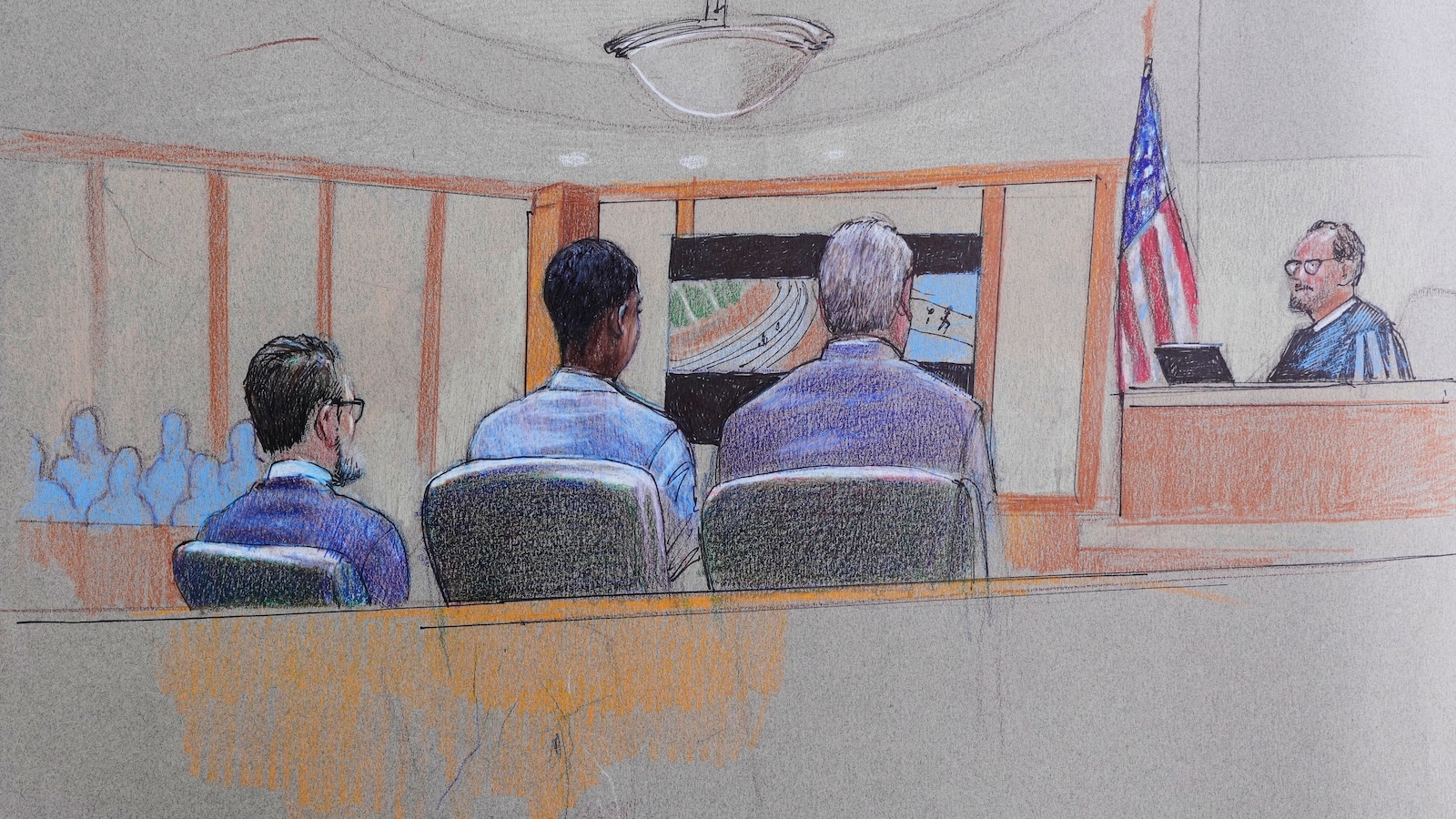
Judge Michael Chitty has been assigned to review the motion for a retrial in the killing of Austin Metcalf, a 17-year-old athlete. Anthony, now 19, was sentenced to 35 years in prison following his conviction earlier this summer. He appeared at Wednesday's hearing in a green prison jumpsuit, surrounded by his parents, while Metcalf's family also attended.
The defense's request for a new trial centers on allegations that the June proceedings were unfair. Anthony's attorneys argue that strict courtroom rules, flawed jury instructions, and a breakdown in negotiations over an agreement to focus the trial on the events leading up to the stabbing all tainted the outcome. Specifically, they claim that a dispute with prosecutors prevented Anthony from testifying in his own defense.
During the trial, jurors rejected Anthony's claim of self-defense. Witnesses testified that the confrontation erupted in the stadium bleachers after Anthony refused to leave a tent belonging to Metcalf's team on a rainy spring day. The dispute escalated, with prosecutors painting Anthony as the aggressor. According to a police report, Anthony reached into a bag and said, "Touch me and see what happens." Metcalf then pushed him, and Anthony pulled out a knife and stabbed him in the chest.
The case captured national attention, fueled by a torrent of social media posts that framed the killing in racial terms. Anthony is Black; Metcalf was white. However, lawyers on both sides told jurors that race played no role in the tragedy.
The recusal of Judge John Roach, who presided over the trial, was a significant victory for the defense. During a hearing Wednesday, Anthony's legal team focused on comments Roach made to a Dallas TV station after the trial. In the interview, when asked if the jury got it right, Roach responded, "Yeah, they did," adding, "Whatever they say, they got it right." Roach also defended his courtroom rules and addressed the onslaught of online postings about the case.
The families of both Metcalf and Anthony have reported being targets of harassment as national attention on the killing intensified. The case continues to draw scrutiny, with Thursday's hearing set to determine whether Anthony will receive a second chance to argue his innocence.
Article commentary
The case of Karmelo Anthony presents a complex intersection of criminal justice, media influence, and the fragile nature of trial fairness. The decision to remove Judge John Roach after his television comments underscores a fundamental principle: the appearance of impartiality is as critical as actual impartiality. Roach's statement that the jury "got it right" could be seen as a post-trial validation of the verdict, but it also raises questions about whether he held preconceived notions during the trial itself. The defense's motion for a new trial, citing improper jury instructions and strict courtroom rules, highlights the delicate balance judges must maintain between controlling proceedings and ensuring a defendant's right to a fair hearing. The racial dynamics of the case, amplified by social media, add another layer of complexity. While both parties explicitly stated that race was not a factor, the public discourse often defies such boundaries. The flood of online posts threatening to racialize the incident likely placed immense pressure on the court system, potentially influencing perceptions of the case. Yet, the defense's argument that the trial was compromised by procedural issues rather than racial bias suggests that the legal system is attempting to stay focused on the facts. Self-defense claims in public confrontations, especially involving weapons, are notoriously difficult to prove. The evidence that Anthony reached into a bag and issued a warning before being pushed may support his claim of self-defense, but the prosecution's portrayal of him as the aggressor likely swayed the jury. The 35-year sentence, while within statutory limits, raises questions about proportionality, particularly given the defendant's age--he was a minor at the time of the incident. The recusal hearing itself represents a rare moment of judicial accountability. Whether Judge Chitty will grant a new trial remains uncertain, but the case already serves as a cautionary tale about the dangers of post-trial commentary by judges. If a retrial is granted, it will be a test of whether the legal system can correct its own errors. If not, the case may fuel further debate about the fairness of the justice system, especially for young Black defendants. The families of both victims and defendants deserve a process that is transparent and beyond reproach. This case, with its high emotions and national spotlight, demands nothing less.