Meta's $1.4 Trillion Trial: A Devastating Legal Threat
Source: Fortune. Casualplayhub News adds summary, context, and editorial framing while linking back to the original report.
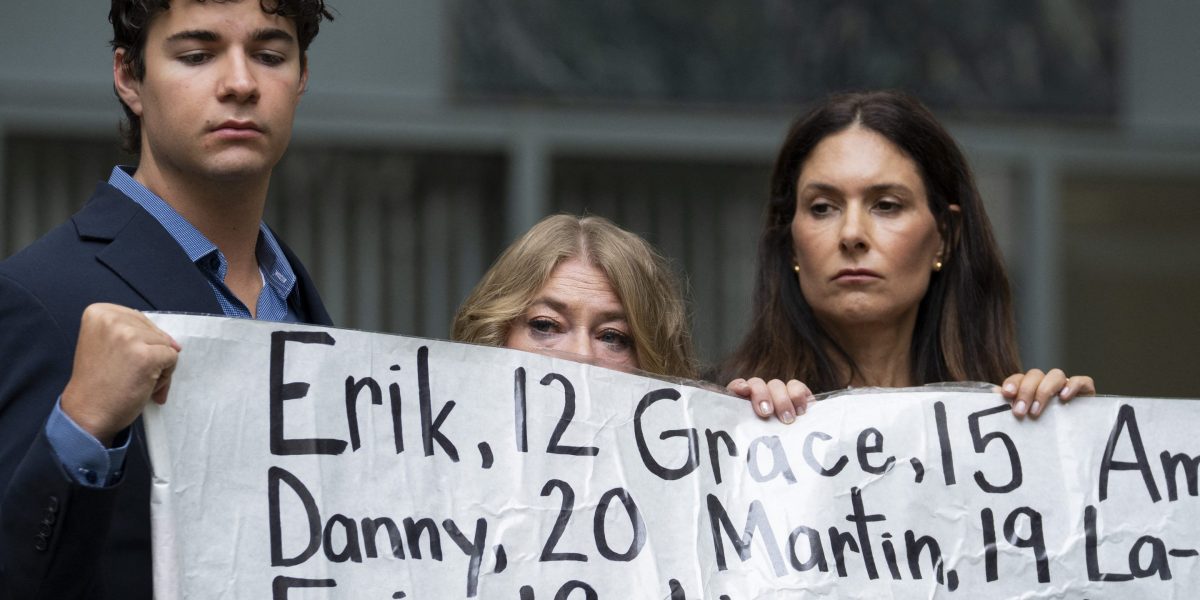
Meta Platforms, the parent company of Facebook and Instagram, is no stranger to immense wealth. Last year, it reported nearly $201 billion in revenue, and as of June, it held more than $90 billion in cash and marketable securities. Yet a federal trial now underway in Oakland, California, is probing whether even that financial fortress can be breached. The case, brought by a coalition of 29 state attorneys general and led initially by California, Colorado, Kentucky, and New Jersey, accuses Meta of deceiving the public about the dangers its platforms pose to young users, particularly through features designed to keep children and teenagers hooked on Instagram and Facebook.
The states are pursuing claims that private plaintiffs cannot, including violations of the Children's Online Privacy Protection Act (COPPA). They also seek remedies that could address harms affecting millions of people. Eric Goldman, co-director of Santa Clara University School of Law's High Tech Law Institute, told Fortune that the stakes are uniquely high because damage awards may measure harm across vast populations. That explains the staggering figure hanging over the trial: $1.4 trillion—the maximum penalty Meta claims could accrue under the states' legal theory. That number approaches the company's own market value. "It's a number that boggles the mind, frankly," Goldman said. He added that at its most extreme, such damages could effectively transfer stockholder value to the public. "Essentially, it's asking Meta to turn in the keys and walk away."
Reaching that $1.4 trillion figure is a long shot. The eight-person jury in this bellwether trial is advisory, leaving U.S. District Judge Yvonne Gonzalez Rogers to make the final decisions on liability and remedies. James Grimmelmann, a professor of digital and information law at Cornell University, told Fortune he does not expect a penalty that would bankrupt Meta. "The jury is purely advisory, so whatever it concludes won't be binding on the court, and even if it comes in with an extremely high number, the judge could revise it and so could other courts on appeal," he said.
A recent case in New Mexico offers a glimpse of potential financial impact. A jury there found Meta liable for 75,000 violations of the state's consumer protection law, leading to $375 million in civil penalties. A judge later deemed Meta's platforms a public nuisance and ordered an additional $567 million to address youth mental-health harms, bringing the total to $942 million. Meta is appealing that decision.
But the Oakland trial goes beyond monetary penalties. Meta spokesperson Stephanie Otway stated in an email to Fortune that the states "have not shown anyone in their states was misled or harmed by the features at issue" and that the attorneys general are trying to penalize the company for "industry-wide challenges like age verification." Otway added, "Rather than sticking to the facts or the law, the states have instead decided to chase an outlandish payout. We stand by our record of creating strong protections for teens."
Meta points out that less than 1% of its revenue comes from teens on Instagram. However, Goldman emphasized that the share of direct revenue does not address the central question: how much harm is Meta causing in society? With millions of young people still using the platforms, potential liability is not limited by that revenue stream.
Money is only one dimension of the risk. The attorneys general are challenging the very design choices Meta makes—how content is presented and how algorithms prioritize engagement. This distinction is crucial because Section 230 of the Communications Decency Act generally protects internet companies from liability for user-generated content. The states argue they are not suing over what users post, but over Meta's own decisions about content presentation. Goldman disagrees with that separation, calling it "illusory" and noting that editorial functions and content are inseparable in his view. However, Judge Rogers disagreed with Goldman, allowing the case to proceed to trial. Goldman also raised First Amendment concerns, comparing Meta's content presentation choices to a newspaper's editorial decisions, which are protected speech.
Regardless of the outcome, the trial's implications extend far beyond Meta. TikTok, YouTube, and Snapchat face similar lawsuits over youth harm. A victory for the states could provide a legal playbook for challenging the design of other social media platforms—and potentially even generative AI, video games, and social gaming. As Goldman put it, "The internet is on trial in Oakland right now, because it's not just Meta and it's not just social media."
Article commentary
The trial against Meta in Oakland represents a pivotal moment not only for the company but for the entire social media industry. The states' lawsuit, which could theoretically result in penalties up to $1.4 trillion, underscores a growing willingness among regulators to hold tech giants accountable for the societal impact of their platform designs. However, the astronomical figure is more symbolic than realistic—it highlights the severity of the accusations rather than a likely outcome. The advisory jury and the judge's ultimate discretion mean that any penalty will be subject to rigorous appeals, making a bankruptcy-level ruling improbable. What makes this case particularly significant is the legal strategy employed by the attorneys general. By focusing on Meta's own design choices rather than user-generated content, they attempt to circumvent Section 230 protections. This approach, if successful, could set a precedent that reshapes how internet companies operate. The distinction between content and curation is a gray area that courts have struggled with, and this trial may provide much-needed clarity. Critics like Eric Goldman argue that separating editorial decisions from content is artificial, but the court's decision to let the case proceed suggests a willingness to test that boundary. The First Amendment implications are equally profound. If Meta's algorithmic curation is deemed a form of protected speech, the states' claims could face constitutional hurdles. Yet the trial's progression indicates that judges are not ready to grant social media companies blanket immunity for design choices that allegedly cause harm. This tension between free expression and public safety is at the heart of many modern tech debates, and the Oakland trial could influence how future cases balance these competing interests. Beyond Meta, the outcome matters for the entire digital ecosystem. TikTok, YouTube, and Snapchat are watching closely, as similar lawsuits loom. A win for the states could embolden other attorneys general to pursue design-based claims against any platform that allegedly harms minors. The ripple effects might extend to video games, generative AI, and even traditional media if the legal theory gains traction. This case could effectively become a template for challenging the architecture of digital products, not just the content they host. Meta's defense—that it has strong protections for teens and that the states are chasing an outlandish payout—reflects a common industry stance. However, the company's financial might also makes it a prime target. The $942 million penalty in New Mexico, while substantial, is a fraction of Meta's cash reserves. Yet the reputational damage and regulatory attention could be more costly in the long run. Investors and policymakers will be scrutinizing the trial's outcome for signals about future liability risks. From a broader perspective, this trial is a symptom of a larger societal reckoning with the power of social media. The debate over youth mental health, algorithmic addiction, and corporate responsibility is not new, but the legal system is now catching up. Whether the $1.4 trillion figure is a bargaining chip or a genuine threat, the case forces a conversation about how much society values the well-being of young users versus the economic interests of tech giants. The answer may not come from a single verdict, but the Oakland trial will undoubtedly shape the path forward.