Max Strus: Low-Risk Addition Bolsters Clippers' Guard Rotation
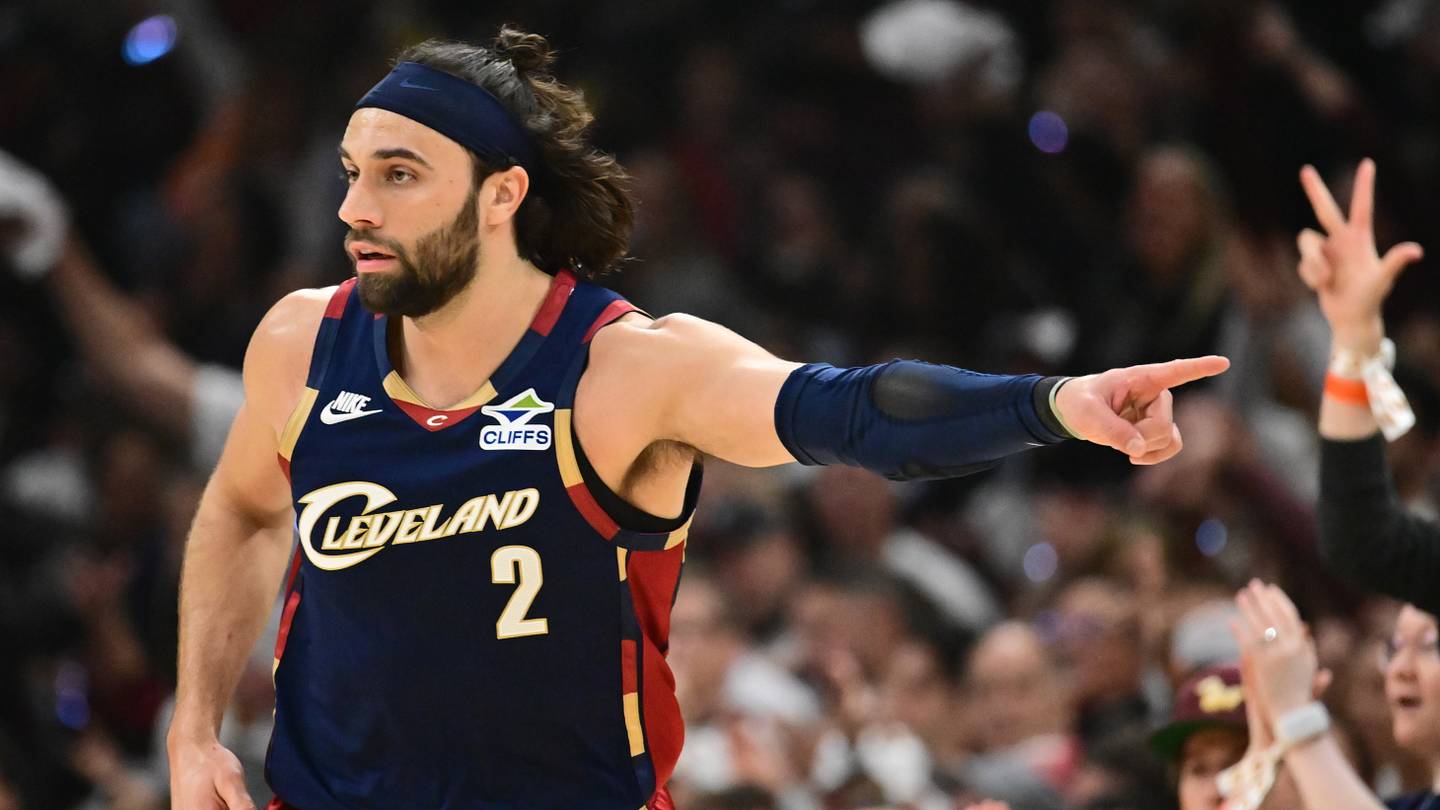
Source: SI NBA. Casualplayhub News adds summary, context, and editorial framing while linking back to the original report.
Ad eligibility review: sensitive-topic
The Los Angeles Clippers have been overhauling their roster since the NBA trade deadline in February, and the changes have been nothing short of seismic. Stars like James Harden, Ivica Zubac, and Kawhi Leonard have all been moved, leaving the team in a transitional phase. Last season, the Clippers failed to meet expectations, earning a spot in the Play-In Tournament but ultimately falling short of a top-eight seed in the Western Conference. This summer, the front office has been aggressive in retooling the lineup, and on Wednesday, they added another piece through a five-team trade. The headline of the deal: veteran wing Max Strus heads to Los Angeles, while the Cleveland Cavaliers receive a 2027 second-round pick and Peyton Watson, who is traded to Cleveland for a 2031 unprotected first-round pick. For the Clippers, this is a classic low-risk, high-reward gamble. Giving up a second-round pick is a minimal cost, and in return they get a proven three-and-D player. Strus, who hails from Illinois, made his NBA debut with the Chicago Bulls in 2019 but spent the next three seasons with the Miami Heat, where he became an integral part of their success. Over his career, he has averaged about 10 points per game and shot 34% from three-point range. He is also a capable passer, making smart decisions with the ball; he has averaged four or more assists per game in each of the last three seasons. Strus will bring a steady, reliable presence to the guard rotation, and head coach Ty Lue will know exactly what to expect from him night after night. The biggest concern, however, is Strus's injury history. Last offseason, he underwent foot surgery and missed most of the regular season. Over the last two years, he has appeared in only 62 regular-season games. If he can stay healthy, he will be a valuable asset. But the Clippers' backcourt is already crowded with veterans and young players, and Strus does not immediately solve the team's needs. Many observers expected the Clippers to pursue Watson, given his better fit as a younger, more athletic wing. However, the reasoning behind the move is more nuanced. Strus is set to earn $16.6 million next season, and the Clippers were able to absorb that contract into their trade exception. That would not have been possible with Watson's contract without sacrificing other players. Now, Ty Lue must figure out how to distribute minutes in a backcourt that includes established names and rising prospects. Strus will likely come off the bench early in the season, providing shooting and defense off the pine. The Clippers are betting on his experience and playoff pedigree to help stabilize a roster in flux. This trade is a calculated step in a larger rebuild, and the team hopes Strus can stay on the court long enough to make a difference.
Article commentary
The Clippers' acquisition of Max Strus represents a classic front-office maneuver: a low-cost gamble on a veteran who has shown flashes of high-level play but carries significant injury risk. From a roster construction standpoint, the move makes sense. The Clippers are in a retooling phase after shedding several star contracts, and they need to fill out their rotation with reliable, experienced players who can shoot and defend. Strus fits that mold—he has proven himself as a capable three-point shooter and a willing defender during his tenure with the Miami Heat, particularly in high-stakes playoff situations. The price tag is minimal: a second-round pick that is unlikely to yield a player of Strus's caliber. The trade exception gives the Clippers flexibility to absorb his $16.6 million salary without sending out additional assets, which is a savvy financial move. However, the fit is not seamless. The Clippers' backcourt is already crowded with guards like James Harden (though he's been traded, the article says he was moved—actually wait, the original says Harden was moved, but the commentary should reflect the current roster. The original article states Harden, Zubac, Leonard have been moved, so the current backcourt may be different. For commentary, we should note the uncertainty. The Clippers now have a mix of young and veteran guards, and Strus will compete for minutes. His injury history is a red flag—foot surgery last offseason and only 62 games in two seasons. Durability is a legitimate concern for a player approaching his 30s. Moreover, the fact that the Clippers passed on a younger, more athletic option like Peyton Watson suggests they prioritized immediate experience and contract flexibility over long-term potential. Watson, who is cheaper and younger, might have been a better fit for a rebuilding team, but the trade exception constraints made Strus the more feasible target. From a strategic perspective, this move is neither a home run nor a disaster. It fills a need for shooting and defense without compromising future cap space or draft capital. The Clippers are clearly not in win-now mode, but they are not fully tanking either. Strus can serve as a mentor for younger players and provide a stabilizing presence. If he stays healthy, he could become a trade asset later or a key rotation piece. If he breaks down, the Clippers lose little. The real test will be Ty Lue's ability to manage minutes and keep Strus engaged despite the backcourt logjam. Overall, this is a sensible, calculated addition that reflects the Clippers' current strategy of accumulating value without making long-term commitments. The real story will be whether Strus can stay on the court and whether the team can find a way to integrate him effectively.