Why the Hawks Should Trade Corey Kispert
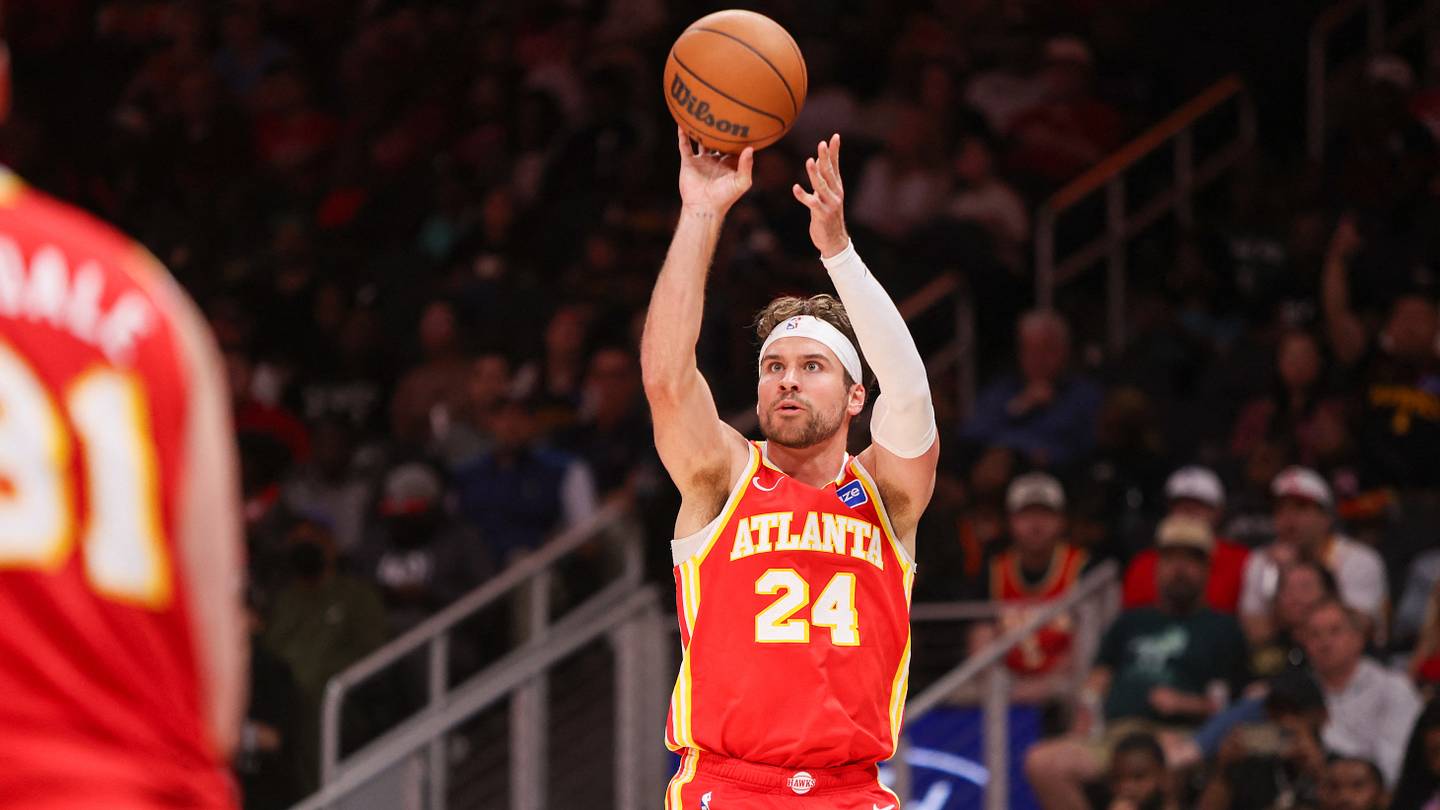
Source: SI NBA. Casualplayhub News adds summary, context, and editorial framing while linking back to the original report.
To understand the current predicament, it helps to revisit the move that reshaped the Hawks' roster. Last season, Atlanta parted ways with franchise point guard Trae Young, a decision driven by a limited market. The return was a package of two veterans: CJ McCollum and Corey Kispert, with no draft picks attached. The deal raised eyebrows given Young's legacy, but the Hawks quickly pivoted and finished the season on a strong note. McCollum emerged as a primary scoring option, while Kispert's role was more modest.
Kispert suited up for 39 games in Atlanta before a torn ligament in his left thumb required season-ending surgery, sidelining him for the playoffs. His numbers were respectable: 9.2 points, 2.3 rebounds, and 1.6 assists per game, with shooting splits of 46.7% from the field, 35.4% from three, and 81% from the free-throw line. Yet these stats tell only part of the story. When Kispert's three-point shot is off, his value shrinks quickly. He offers little on defense, becoming a liability that opponents can exploit. That limitation makes him more of a bench piece than a reliable starter.
Compounding the issue is Kispert's contract. He is owed $54 million over four years, with $40 million guaranteed and an annual cap hit of $13 million. For a player who is not a star and lacks star potential, that figure is steep. The Hawks have built a roster with multiple scoring threats, reducing the need for a one-dimensional wing who struggles to create his own shot or defend consistently.
Injury history adds another layer of concern. Over the past two seasons, Kispert has appeared in only 58 games, battling thumb, ankle, and hamstring problems. A team aiming to develop a two-way identity cannot afford to invest significant cap space in a player who is frequently unavailable and offers limited defensive impact.
Atlanta's offseason moves signal a commitment to building on last season's momentum. The front office has added pieces to improve depth and versatility. Holding onto a player like Kispert, who duplicates skills already present and occupies a sizable chunk of the salary cap, hampers flexibility. The Hawks would be better served exploring trade options to recoup value, perhaps targeting a more durable defender or a player whose skill set complements their core. Moving Kispert could free up minutes for younger players or allow the team to address specific needs. The decision ultimately comes down to whether the Hawks believe Kispert can evolve into a more complete player, or if it's time to cut ties and redirect resources.
Given the current roster construction and salary cap realities, trading Kispert appears a logical step. The Hawks have the offensive firepower to absorb his departure, and the opportunity to improve defensively is too tempting to ignore. Atlanta's front office must weigh the risk of selling low against the cost of holding a depreciating asset. The next few months will reveal their direction.
Article commentary
The case for trading Corey Kispert rests on a simple premise: the Hawks need to maximize roster efficiency as they transition from a rebuild to contention. Kispert, a one-dimensional shooter with a lengthy injury history, occupies a medium-sized contract that could be better allocated toward a two-way player. From a cap perspective, Kispert's $13 million annual salary is not exorbitant, but for a team like Atlanta, which already has significant offensive talent, the marginal benefit of a spot-up shooter diminishes. The Hawks have enough scoring options to absorb his departure. His defensive limitations are harder to overlook. In a league that prizes versatility, a wing who cannot guard multiple positions becomes a liability in playoff-style matchups. Injury durability is another red flag. Kispert has missed substantial time in two consecutive seasons, and recurring thumb, ankle, and hamstring issues suggest a pattern. The Hawks cannot rely on him to be a consistent contributor. With a guaranteed $40 million left on his deal, they risk being stuck with a frequently injured player who is not a core piece. Trade partners might exist among teams seeking shooting and cap flexibility. Squads that need floor spacing could view Kispert as a low-risk acquisition. Atlanta would likely need to attach a sweetener or accept a smaller return, but shedding salary could open opportunities to sign a free agent or absorb a different contract. Another angle: the Hawks might prefer to keep Kispert and hope he returns healthy and develops a reliable defensive game. However, given his age and injury history, that bet is risky. The front office's offseason moves—adding perimeter defenders and athletic wings—suggest they value two-way play. Kispert does not fit that mold. Ultimately, the Hawks have a decision to make: hold onto a player who may never be more than a situational shooter, or trade him while he still has some value. The latter would align with a long-term strategy of building a flexible, defensively sound roster. The market for shooters is always present, and Atlanta should capitalize before Kispert's value erodes further. This is not about giving up on a player, but about making a pragmatic business decision to improve the team's championship odds.