Lakers' $12.5B Sale Triggers Front Office Uncertainty
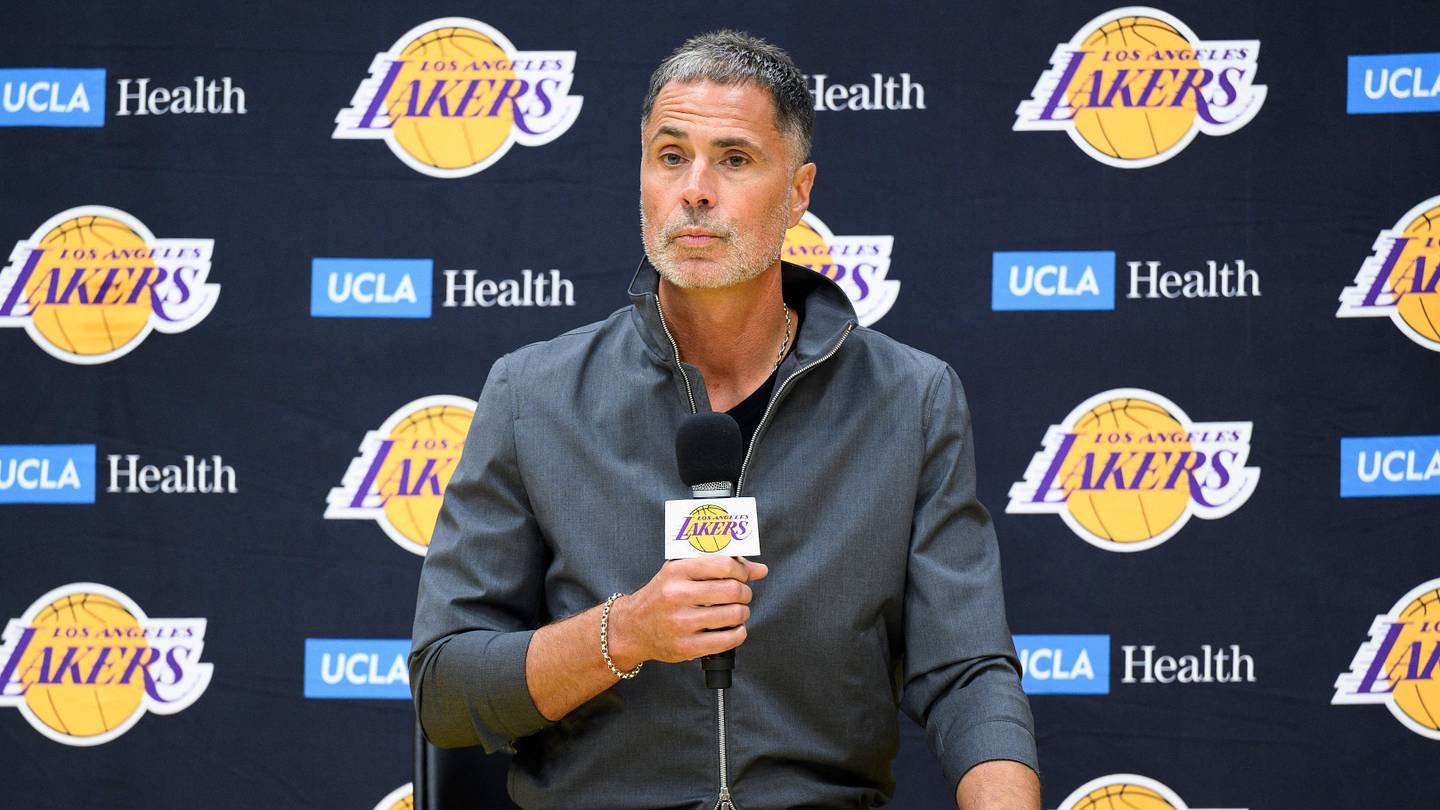
Source: SI NBA. Casualplayhub News adds summary, context, and editorial framing while linking back to the original report.
The Los Angeles Lakers have dominated headlines during the NBA's quiet summer months, but not for the reasons fans would hope. The 17-time champions are in the midst of their second ownership change in just over a year, following Mark Walter's sale of the majority stake to media mogul Bob Iger and venture capitalist Josh Kushner. The deal, valued at an eye-popping $12.5 billion, sent shockwaves through the league and the broader sports world. Walter's decision to flip the storied franchise after only 14 months caught everyone off guard, and it has triggered a cascade of questions about the team's future direction.
At the center of the storm is Jeanie Buss, the longtime team governor. While her role was initially secured for the next four years after the sale was announced, she now finds herself locked in a contentious battle with her five siblings over the sale of their remaining shares. This family feud casts a shadow over her long-term stability and the franchise's leadership structure. The situation is further complicated by the fact that the Lakers are attempting to emulate the Los Angeles Dodgers' blueprint for success, with a massive overhaul of the front office already underway.
According to Dan Woike of The Athletic, the Lakers' reshaping of basketball operations is on hold until the ownership situation is resolved. League sources, speaking on condition of anonymity because they are not authorized to discuss internal matters, confirmed that the team cannot complete the buildout of its basketball operations department until the sale is finalized. This uncertainty has put the spotlight on general manager Rob Pelinka, whose immediate future with the franchise was never in doubt until the Iger-Kushner deal emerged.
Pelinka, who has been with the Lakers for years and helped navigate the team through the LeBron James era, now faces an uncertain fate. It remains to be seen whether the new ownership duo will retain him or opt for a fresh start with their own vision. The coaching staff and other key front-office personnel could also be affected as Iger and Kushner evaluate the organization's direction. The situation is reminiscent of other high-profile franchise sales where new owners often bring in their own trusted executives.
Beyond the front office, the Lakers' roster and long-term strategy are also in flux. The team has been active in the trade market and free agency, but major decisions—such as potential trades or contract extensions—could be delayed until the ownership picture clarifies. The NBA calendar moves quickly, and the Lakers risk falling behind rivals if they cannot act decisively. With the regular season approaching, the pressure is mounting to resolve the ownership dispute and stabilize the front office.
This chaotic offseason has been one of the most memorable in recent NBA history. The Lakers, a franchise synonymous with stability and success under the Buss family, now face a crossroads. The sale to Iger and Kushner represents a new era, but the path forward is anything but clear. Fans are left wondering whether the team can regain its footing or if further upheaval awaits. As one league insider put it, the only certainty is that more changes could be coming, continuing to shake up the storied franchise in ways no one anticipated.
Article commentary
The Los Angeles Lakers' latest ownership change is more than just a headline-grabbing transaction; it is a seismic shift that could redefine the franchise's identity for years to come. The $12.5 billion valuation—the highest ever for a sports team—underscores the Lakers' unique brand power and market position. However, the rapid turnover in ownership, with two sales in 14 months, raises red flags about long-term stability. Mark Walter's decision to sell so quickly after purchasing the team suggests that the Lakers may have been viewed more as an investment asset than a long-term commitment, a perception that could unsettle fans and players alike. The internal battle between Jeanie Buss and her siblings adds another layer of complexity. The Buss family has controlled the Lakers since Dr. Jerry Buss bought the team in 1979, and Jeanie has been the public face of the organization for years. The sibling dispute over the sale of remaining shares threatens to fracture the family legacy and could lead to a protracted legal battle. Even if the sale proceeds smoothly, the new ownership duo of Bob Iger and Josh Kushner brings a different set of priorities. Iger, the former Disney CEO, is a master of media and entertainment, while Kushner is a venture capitalist with deep ties to tech and finance. Their combined expertise could modernize the Lakers' business operations, but their lack of direct basketball experience may lead to friction with traditional basketball minds. Rob Pelinka's uncertain future is a particular concern. As general manager, he has been instrumental in roster construction, including the 2020 championship team. But new owners often want their own people, and Pelinka's tenure could be cut short. This instability could hamper the Lakers' ability to attract top talent or make key trades. The team's attempt to follow the Dodgers' blueprint for success—which emphasized analytics, player development, and a strong farm system—could also be disrupted if the new owners have a different philosophy. From a broader perspective, this saga highlights the growing influence of mega-wealthy investors and media conglomerates in professional sports. The Lakers' sale price shatters records and reflects the soaring valuations of major franchises. But with great financial power comes great scrutiny. The new owners will face pressure to deliver on the court, especially given the Lakers' passionate fan base and high expectations. The team's current roster, led by LeBron James and Anthony Davis, is aging, and the championship window is narrowing. Any delay in decision-making could prove costly. Ultimately, the Lakers' situation is a cautionary tale about the perils of rapid ownership changes. While the influx of capital and new ideas can be beneficial, the lack of continuity can erode organizational culture and trust. The coming months will be critical as the Buss family, Iger, Kushner, and the front office navigate these turbulent waters. For now, the NBA world watches with bated breath, wondering whether the Lakers will emerge stronger or sink further into chaos. The answer may define the franchise's next decade.