Why the Thunder's Rookies Could Be Their Biggest X-Factors
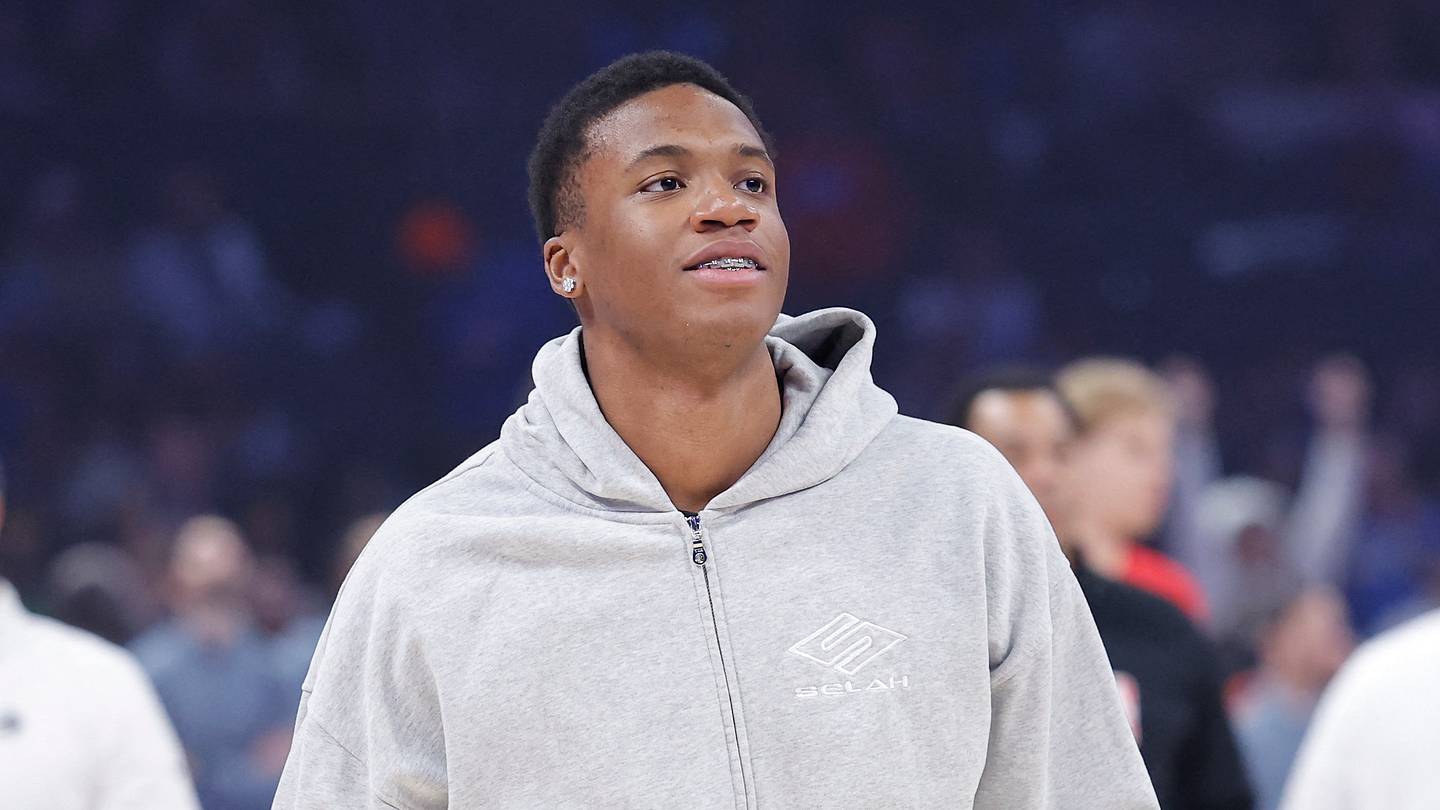
Source: SI NBA. Casualplayhub News adds summary, context, and editorial framing while linking back to the original report.
Ad eligibility review: sensitive-topic
The Oklahoma City Thunder are gearing up for another championship run, but the players who might determine their fate aren't the ones headlining the posters. While Shai Gilgeous-Alexander, Jalen Williams, and Chet Holmgren form the core of a team that just won the 2024-25 NBA title, the front office knows that sustaining that success requires more than star power. A recent ESPN article evaluating the Thunder's offseason took a closer look at the roster and landed on an unexpected group as the team's X-factors for the coming season: Bennett Stirtz, Nikola Topic, Aday Mara, and Thomas Sorber.
At first glance, it's tempting to dismiss these names. None except Topic have logged meaningful NBA minutes, and even Topic spent much of his rookie season recovering from injury. But the selection wasn't about immediate production. It was about the Thunder's delicate balancing act between competing at the highest level and navigating the league's increasingly punitive salary cap rules.
Oklahoma City found itself in a tight spot this offseason. To stay under the second apron—a threshold that triggers severe roster-building restrictions—the team had to make tough choices. Ultimately, that meant saying goodbye to three valuable rotation players: Isaiah Joe, Aaron Wiggins, and Lu Dort. Each had carved out a role in the Thunder's system, and their departure left gaps in both scoring and defense. Suddenly, the front office needed to find inexpensive contributors who could fill those minutes without sacrificing the team's upward trajectory.
That's where the rookies come in. Stirtz and Mara both turned heads during Summer League. Stirtz, a versatile guard, showed the ability to score from all three levels and defend multiple positions. Mara, the towering center from Spain, flashed soft hands and a high basketball IQ, fitting seamlessly into the Thunder's motion offense. Their contracts are affordable, which is exactly what the team needs to keep its luxury tax bill manageable. Meanwhile, Thomas Sorber, a first-round pick, is on the mend after an injury delayed his debut. He'll be eager to prove why the Thunder invested in him, and his physicality could be a boon down the stretch. Nikola Topic, the most experienced of the bunch, has already demonstrated sharp playmaking instincts. If he can stay healthy and build on that foundation, he could become a reliable secondary ball-handler behind Gilgeous-Alexander.
The real X-factor, however, isn't just their individual talent. It's the possibility that this quartet can replicate the Thunder's recent pattern of turning young, unheralded players into key contributors. Over the past few seasons, Oklahoma City has developed guys like Dort, Wiggins, and Joe into rotation staples. If Stirtz, Mara, Sorber, and Topic can follow a similar trajectory, the team won't just survive the loss of their veterans—it might actually get stronger. The financial flexibility created by their rookie-scale deals allows the Thunder to remain aggressive in trade talks or free agency, while the young players themselves provide a pipeline of cheap, hungry talent.
Of course, there's no guarantee any of them will become meaningful rotation pieces this season. The Thunder's depth chart is loaded, and head coach Mark Daigneault has a history of being patient with rookies. But the front office is betting that the combination of potential and low cost outweighs the risk. If even one or two of these players emerge as reliable contributors, Oklahoma City's championship window could stay wide open for years. And if they all develop? The Thunder might have stumbled upon a blueprint for sustained dominance in the modern NBA.
As the season tips off, all eyes will be on the stars. But the true story of the Thunder's season might be written by the players who, for now, are still learning their names.
Article commentary
The Thunder's approach to roster construction is a masterclass in navigating the modern NBA's financial landscape. By identifying four young, low-cost players as their X-factors, Oklahoma City is betting on development over spending—a strategy that has worked before but carries significant risk. The departure of Isaiah Joe, Aaron Wiggins, and Lu Dort is a real loss. Each provided reliable shooting, defense, or both, and replacing that production with rookies is far from a sure thing. Bennett Stirtz and Aday Mara showed promise in Summer League, but Summer League is not the NBA. The jump in competition, pace, and defensive intensity is enormous. Thomas Sorber's injury history adds another layer of uncertainty, and Nikola Topic has yet to prove he can stay on the court consistently. Still, the financial logic is undeniable. The second apron has become a de facto hard cap, and teams that cross it face severe penalties, including frozen draft picks and restricted trade options. The Thunder, already paying max contracts to Gilgeous-Alexander and soon to Holmgren, need to maximize every dollar of cap space. Rookie-scale contracts are the most efficient way to do that. If even one of these four becomes a rotation player, the savings compared to a veteran minimum contract are substantial. If two or three pan out, the Thunder could have a core of cheap, productive players that allows them to keep their stars long-term. What's particularly interesting is the organizational philosophy behind this move. The Thunder have built a reputation for player development under Sam Presti and Daigneault. They've turned late draft picks and undrafted players into valuable assets. This is the logical extension of that philosophy: instead of paying for proven role players, they're growing their own. The cycle of development—where young players learn from stars, become contributors, then either stay at a discount or are traded for more picks—has sustained the Thunder even during rebuilding years. Now, with a title already in hand, that cycle becomes the engine for a dynasty. There are, of course, risks. The Thunder's championship window is open now, and relying on rookies to contribute meaningful minutes could backfire. Injuries to a star or a slow start from the youngsters could force the front office to make a mid-season trade, potentially sacrificing future assets. But the team has shown remarkable patience and discipline. They've resisted the temptation to overpay for veteran role players, trusting their system to develop talent from within. This offseason's moves suggest that trust hasn't wavered. From a league-wide perspective, the Thunder's strategy could serve as a template for other teams facing the same cap constraints. The days of stacking veteran minimum players to fill out a roster are fading. The new CBA rewards teams that can identify and develop cheap talent. Oklahoma City is not just winning on the court; they're winning the front office game. The 2025-26 season will be a test of whether that strategy can sustain a championship contender. If the rookies deliver, the Thunder will have a blueprint for long-term success. If they don't, the team will still have its stars—and the flexibility to pivot. Either way, the X-factors are the ones to watch.