Klay Thompson's Warriors Return Off the Table After Mavericks Buyout, Heat Next
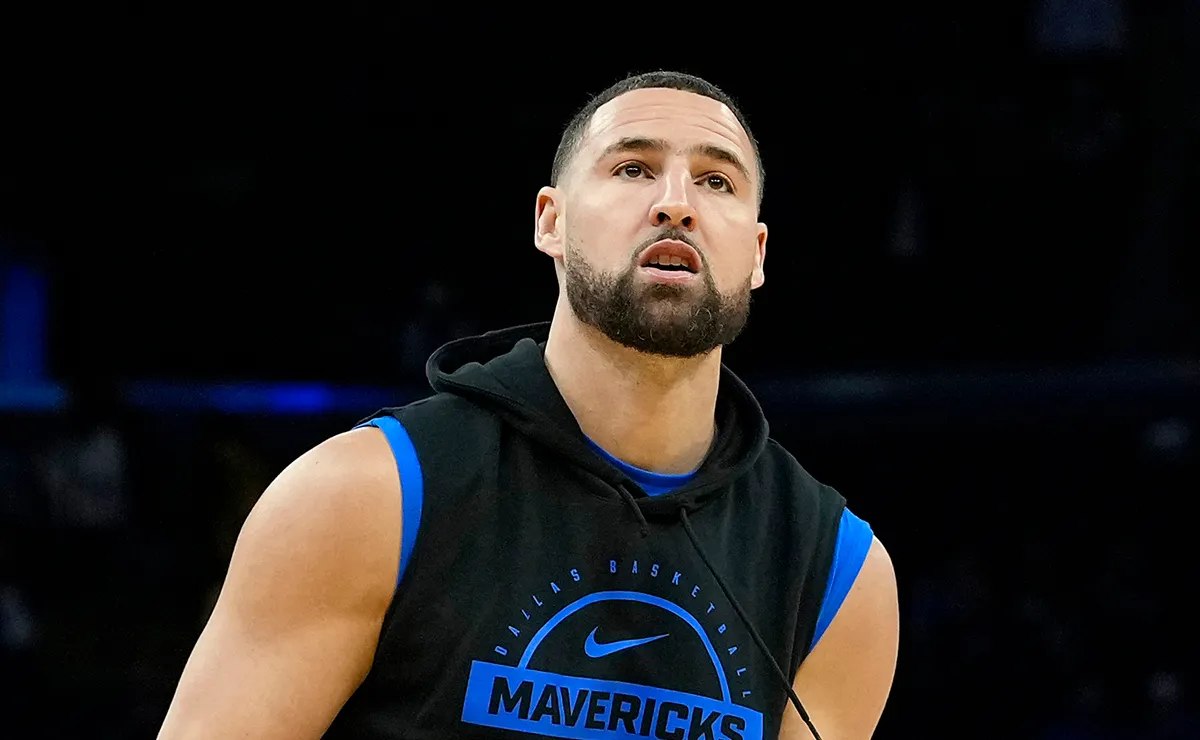
Source: Bolavip. Casualplayhub News adds summary, context, and editorial framing while linking back to the original report.
Ad eligibility review: sensitive-topic
Klay Thompson’s tenure with the Dallas Mavericks is ending not with a playoff run, but with a negotiated exit. The five-time All-Star has reached a buyout agreement with the franchise, severing the final year of his three-year, $50 million contract. This development accelerates a transition that has been brewing for weeks: Thompson is expected to sign with the Miami Heat, forming a formidable trio alongside Giannis Antetokounmpo and Bam Adebayo. The move, once finalized, will give the Heat a proven sharpshooter and a veteran presence with championship pedigree.
Yet the most dramatic subplot of this saga—the possibility of a Thompson return to the Golden State Warriors—has been decisively shut down. For weeks, fans and analysts speculated whether the sharpshooter might reunite with Stephen Curry and Draymond Green, the core of Golden State’s dynasty. But league rules, as outlined by the collective bargaining agreement, make such a reunion impossible under the current circumstances. NBA insider Brett Siegel of ClutchPoints explained the regulatory barrier: “A reunion between Klay and the Warriors could only happen if he were to become a free agent, and that’s not by way of buyout. We’re talking next offseason, next summer, where the Warriors aren’t a first apron team or a second apron team. If he gets bought out of his contract now, the Warriors cannot sign him due to the CBA rules.”
This ruling leaves Thompson’s Golden State chapter definitively closed—at least for now. The 34-year-old shooting guard spent 13 seasons with the Warriors, winning four NBA championships and earning a reputation as one of the league’s premier two-way players. His departure in 2024, when he signed with the Mavericks, was a bittersweet moment for the Bay Area. Now, with the buyout, any hope of a mid-season reunion has evaporated.
Thompson’s openness to a return was laid bare during a fan event last month. At Fanatics Fest NYC, a fan asked him about the possibility while he was signing memorabilia. Thompson’s response was candid: “Shoot, I don’t know. I got one more year in my deal. It would be nice to end it in Golden State.” The video went viral, reigniting hope among Warriors faithful. But the buyout has changed the calculus. Thompson’s current contract runs through the 2026-27 season, and once he clears waivers after the buyout, he becomes a free agent. However, the CBA’s restrictions on teams above the first and second apron—which the Warriors currently are—prevent them from signing a player who was bought out for more than the mid-level exception. Golden State’s salary cap situation makes them ineligible to add Thompson under these conditions.
On the court, Thompson’s production has declined from his prime, but he remains a valuable contributor. Last season, he averaged 11.7 points, 2.1 rebounds, and 1.4 assists in 21.7 minutes per game, shooting 38.3% from beyond the arc across 69 games. While those numbers are a far cry from his peak years, his ability to stretch the floor and defend multiple positions still holds currency. In Miami, he will slot into a lineup that already features Antetokounmpo’s relentless interior force and Adebayo’s defensive versatility. The Heat’s system, built on spacing and ball movement, could revive Thompson’s effectiveness.
For the Mavericks, the buyout marks the end of an experiment that never fully materialized. Thompson joined Dallas hoping to complement Luka Dončić and Kyrie Irving, but injuries and inconsistent chemistry limited the team’s ceiling. The franchise now frees up salary cap space and a roster spot, allowing them to pivot toward younger assets or a different veteran upgrade.
As Thompson prepares to don a Heat jersey, the NBA landscape adjusts. The Eastern Conference already features the Boston Celtics, Milwaukee Bucks, and Philadelphia 76ers as contenders; Miami’s new-look roster adds another layer of intrigue. For Thompson, the move is about chasing a fifth championship. For the Warriors, it’s a reminder of the painful cost of roster construction in the modern salary-cap era. The dream of a final reunion with Curry and Green remains alive only in the abstract—a what-if that will have to wait until at least next summer, when the Warriors’ apron status might change. But for now, the story is clear: Klay Thompson is heading to Miami, and the Golden State chapter is closed.
Article commentary
Klay Thompson’s buyout from the Dallas Mavericks and impending move to the Miami Heat represents a pivotal moment in the NBA’s ongoing roster reshuffling. But the story’s emotional core lies in the definitive end of any talk about a Warriors reunion. The collective bargaining agreement, specifically the rules governing teams above the salary-cap aprons, has once again demonstrated its power to shape player movement. The Warriors, constrained by their high payroll and luxury tax penalties, simply cannot add Thompson via buyout. This is not a matter of desire or sentiment—it is a hard cap reality. Thompson’s career arc is a study in resilience and redefinition. After missing two full seasons due to a torn ACL and a torn Achilles, he returned to the court in 2022 and helped the Warriors win another title. But his game has evolved: once a high-volume scorer, he has become a more efficient, though less explosive, shooter. His move to the Mavericks was a gamble that didn’t pay off, partly due to fit issues and partly due to the team’s broader struggles. Now, joining the Heat offers a fresh start. Miami’s culture—built on discipline, defense, and player development—could help Thompson rediscover his rhythm. Playing alongside Antetokounmpo, who commands double-teams, and Adebayo, a skilled facilitator, will create open looks. The Heat’s offense, while not as free-flowing as Golden State’s, has enough spacing to utilize Thompson’s off-ball movement. From a broader perspective, this move underscores the NBA’s increasing emphasis on team-building through buyouts and veteran minimum contracts. Teams like the Heat, who are consistently in the luxury tax, rely on such mechanisms to add talent without sacrificing future flexibility. The CBA’s apron restrictions, however, limit the options for top-spending teams like the Warriors. This creates a two-tiered system: teams above the aprons cannot sign players bought out for more than the mid-level exception, effectively closing the door on many veteran additions. The rule is designed to prevent super-teams from forming via mid-season acquisitions, but it also penalizes franchises that have built through the draft and retained their stars—like Golden State. Thompson’s legacy is secure. He is a four-time champion, a future Hall of Famer, and one of the greatest shooters in NBA history. But his final years will be defined by the choices he makes now. A return to the Warriors was always the sentimental favorite, but the business of the NBA rarely accommodates sentiment. The Heat provide a realistic path to contention, and Thompson’s willingness to embrace a supporting role bodes well for the fit. The question is whether his shooting consistency will hold up in high-pressure playoff environments. Last season, he shot 38.3% from three—respectable but not elite by his standards. If he can bump that number closer to 40%, the Heat’s offense becomes lethal. For the Warriors, the loss of Thompson is final. The franchise’s focus now shifts to developing younger players like Jonathan Kuminga and Brandin Podziemski, while trying to maximize the remaining years of Curry’s prime. The CBA restrictions will continue to hamper their ability to add veterans, forcing them to be creative in the draft and trade market. The Thompson saga serves as a cautionary tale about the unintended consequences of salary-cap rules: they can break up dynasties and prevent feel-good reunions, even when both sides want them. Ultimately, Thompson’s move to Miami is a win for the Heat, a logical step for the player, and a poignant reminder of the NBA’s cold arithmetic. The dream of a Warriors reunion will have to wait—if it ever happens at all. For now, Klay Thompson is a Heat player, and the basketball world will watch to see if this gamble pays off with another championship ring.