Nique Clifford's Key Weakness to Fix in Year Two
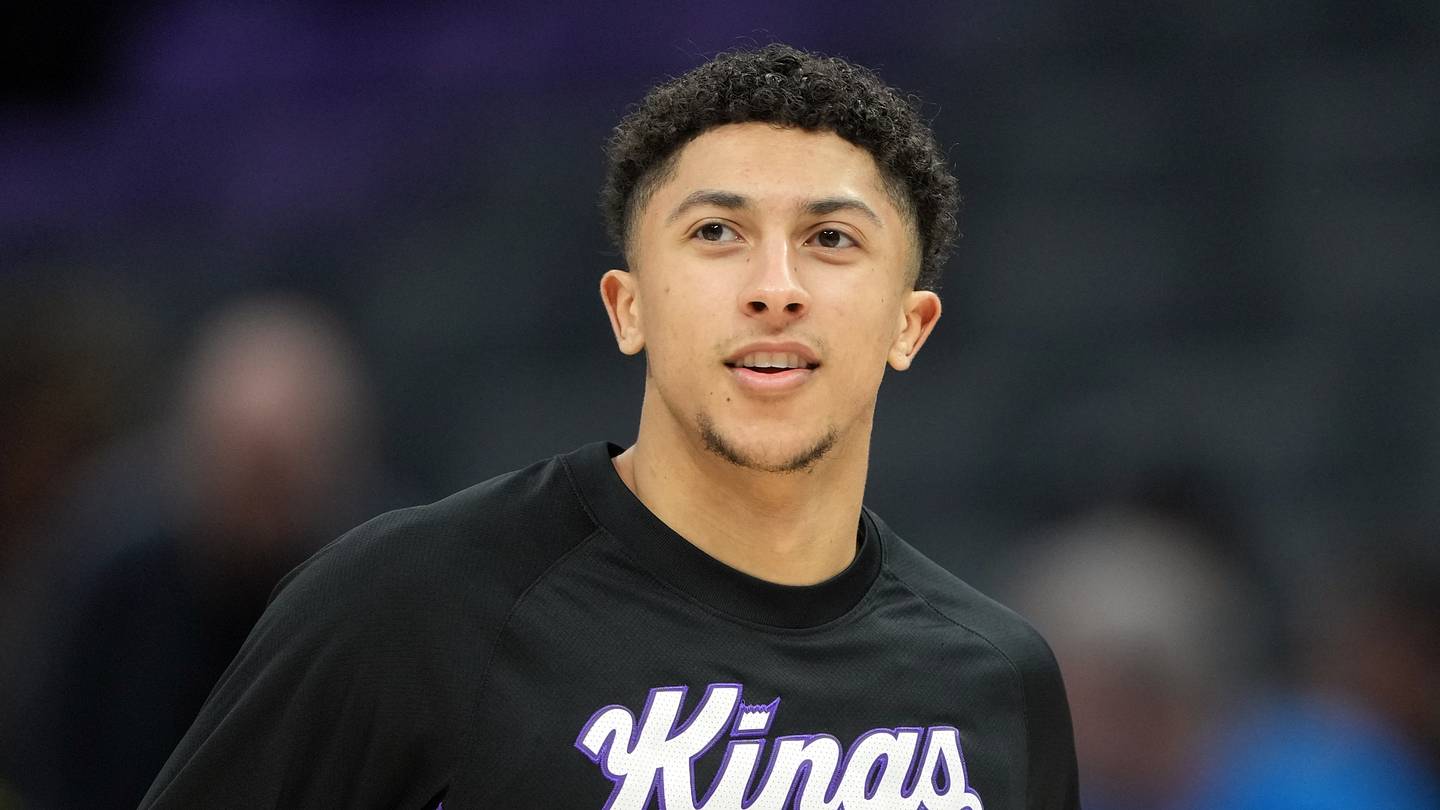
Source: SI NBA. Casualplayhub News adds summary, context, and editorial framing while linking back to the original report.
The Sacramento Kings head into the new season with low external expectations. Many analysts predict they will languish near the bottom of the Western Conference standings. But beneath that surface-level pessimism, there is a roster worth watching. Rookie Darius Acuff Jr. arrives as the hopeful next franchise star, bringing dynamic playmaking and scoring potential. Meanwhile, veterans Domantas Sabonis, Zach LaVine, and Malik Monk are still on the team – at least for now – giving the Kings a core that could make some noise if everything clicks.
To turn that potential into wins, Sacramento will need contributions from every corner of the rotation, especially internal growth from its younger players. One of the most intriguing development cases is second-year wing Nique Clifford. Last season, much of the spotlight fell on rookie Maxime Raynaud, but Clifford quietly put together a productive first year. He averaged 8.6 points, 3.8 rebounds, and 2.4 assists while shooting 41.8% from the field and 33.3% from three-point range. His impact often extended beyond the stat sheet – he showed a knack for doing the little things that help teams win, and both the eye test and advanced metrics backed that up.
However, Clifford faces a clear opportunity to take a significant leap in his second season, and it lies in a specific area of his shooting. When breaking down his three-point attempts by defensive proximity, a troubling pattern emerges. Clifford shot 25% on tightly contested threes (defender within 2-4 feet), 35.4% on open looks (4-6 feet), and just 32.6% on wide-open attempts (defender 6+ feet away). In an ideal world, the best looks would yield the highest percentage, but Clifford actually shot better when a defender was closer. That counterintuitive trend suggests he may be rushing or struggling with the rhythm of catch-and-shoot chances when left alone.
With Acuff now running the offense, the Kings should generate more open looks for everyone. Clifford has been discussed as a secondary ball handler or even a candidate for backup point guard minutes, but his most natural path to a long NBA career may be as a 3-and-D wing – a player who spaces the floor, defends multiple positions, and does the intangible work. That archetype is in high demand across the league, and Clifford has already flashed high-level defensive potential. The shooting, though, remains the biggest question mark.
Improving his overall three-point percentage would benefit both Clifford and the Kings, but at minimum he must convert those wide-open opportunities at a better rate. The good news: we have already seen a glimpse of what that might look like. In summer league action, Clifford hit a game-winning three off a feed from Acuff, a play that showcased the chemistry between the two young players. A clip of that moment circulated widely on social media, underscoring the potential.
Still, the numbers are sobering. Among the 208 players who attempted at least 100 wide-open threes last season, Clifford's 32.6% tied for the 18th-worst mark. That is a fixable issue – wide-open threes are the easiest shot in basketball to improve through repetition and confidence. But in what could be a make-or-break season for his future in Sacramento, all eyes will be on his perimeter shooting, especially the clean looks generated by Acuff and others.
For the Kings to exceed expectations, they need every edge they can get. Nique Clifford's development as a reliable shooter on open threes could be one of those edges. If he can turn that weakness into a strength, he might become the kind of winning player that every contender covets – and the Kings might just find themselves in the mix for more than just a lottery pick.
Article commentary
The Sacramento Kings find themselves in a familiar position: underestimated by the broader NBA world but quietly holding pieces that could intrigue. The narrative around Nique Clifford's second season is a microcosm of that situation. On the surface, the numbers are modest – a 33.3% three-point shooter who struggles most on the easiest looks. But digging deeper reveals a player whose trajectory could be shaped by a single, correctable flaw. Clifford's shooting splits are the kind of anomaly that often signals a mechanical or mental issue rather than a lack of talent. Shooting 32.6% on wide-open threes is not just below league average – it's a red flag for a player who is otherwise a capable defender and versatile offensive contributor. The fact that he shot better with a defender closer suggests he might be a rhythm shooter who benefits from a quicker release or a more aggressive mindset. When left open, he may be overthinking or hesitating, which can disrupt the natural flow of a shot. The addition of Darius Acuff Jr. is crucial here. Acuff's ability to collapse defenses and create kick-out opportunities should generate more of those wide-open looks. If Clifford can capitalize, he becomes a legitimate 3-and-D threat, which is arguably the most valuable non-star role in today's NBA. If he doesn't, he risks being a tweener – a player who can defend but not space the floor, limiting his minutes and value. From a team perspective, the Kings' roster construction is interestingly balanced. They have star-caliber veterans in Sabonis and LaVine, a dynamic scorer in Monk, and a potential franchise face in Acuff. But the margins matter. A team projected to be near the bottom of the standings cannot afford to waste any offensive possessions. Clifford's wide-open three-point attempts are the kind of low-hanging fruit that separates playoff teams from lottery teams. It is also worth noting that the Kings have a history of developing young talent. The organization has shown patience with players like Keegan Murray and others, and Clifford's rookie season earned him trust. The front office likely views him as a long-term piece, but the NBA is a results-driven league. If his shooting does not improve significantly this season, the team may look to upgrade that role via trade or free agency. Ultimately, Clifford's second season is a classic case of a player needing to turn a weakness into a strength. The good news is that wide-open shooting is one of the most trainable skills in basketball. With the right work ethic and support from the coaching staff, there is every reason to believe he can make the leap. And if he does, the Kings will have a valuable rotation player on a cheap contract – exactly the kind of asset that can help a team exceed expectations. The spotlight may be on Acuff and the veterans, but the real story in Sacramento this season might be whether Nique Clifford can become the reliable shooter the Kings need him to be. It is a small detail with outsized implications for both his career and his team's fortunes.