Kyrie Irving Trade: Nine Years Later, Still Reshaping Cleveland’s Destiny
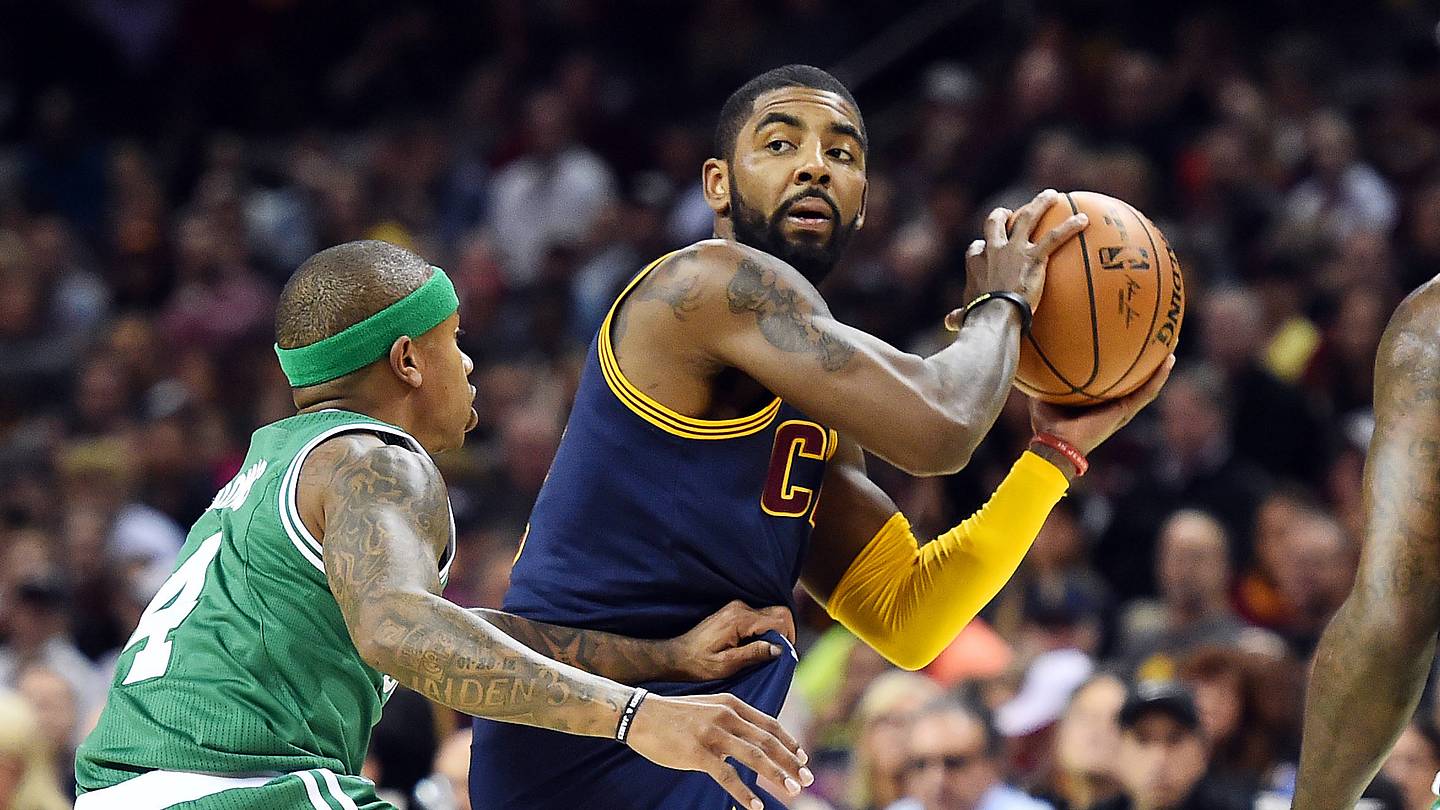
Source: SI NBA. Casualplayhub News adds summary, context, and editorial framing while linking back to the original report.
The summer of 2016 was a golden moment for Cleveland. The Cavaliers had just pulled off the unthinkable, rallying from a 3-1 deficit to defeat the Golden State Warriors in the NBA Finals, delivering the city’s first championship in 52 years. LeBron James had fulfilled his promise. The Cleveland Indians were also one inning away from a World Series title, adding to the electric atmosphere. But that euphoria proved fleeting. By the summer of 2017, after the Cavs lost the Finals to the Warriors in five games, tensions simmered beneath the surface. Kyrie Irving, the 2013 All-Star Game MVP and the hero of Game 7 in 2016 with his iconic three-pointer, reportedly wanted out. He was tired of playing in LeBron’s shadow and sought a larger role elsewhere.
On August 22, 2017, the Cavs granted his wish. Irving was traded to the Boston Celtics in a blockbuster deal that brought back Isaiah Thomas, Jae Crowder, Ante Zizic, and a 2018 first-round pick. At the time, the trade looked like a gamble. Thomas had just finished a sensational season with Boston, averaging nearly 29 points per game and finishing fifth in MVP voting, but a hip injury was already a concern. Crowder was a reliable two-way forward, though he had just lost his mother on the night of the trade, a weight he carried all season. Zizic was a raw young center, and the pick would eventually become Collin Sexton, a dynamic guard who would later play a key role in acquiring Donovan Mitchell.
The 2017-18 season was a rollercoaster. Thomas missed the first two months recovering from his hip, forcing the Cavs to start Derrick Rose, Jose Calderon, and DeAndre Liggins alongside LeBron and Kevin Love. Dwyane Wade came off the bench, but the chemistry was never right. Thomas returned in January but looked a step slow, and his brief tenure ended with a reported shoulder bump incident with LeBron after a win over the Timberwolves. He was shipped to the Lakers at the trade deadline, along with Crowder, in a deal that brought Jordan Clarkson and Larry Nance Jr. to Cleveland. The team stumbled through the playoffs, relying on LeBron’s heroics to reach the Finals. Then came Game 1 against the Warriors, where George Hill missed a critical free throw and J.R. Smith famously forgot the score in the final seconds, costing the Cavs a chance to steal the game. Irving, who had hit huge free throws in similar moments, was sorely missed.
After the Finals sweep, LeBron left for the Lakers, and the Cavs entered a rebuild. The trade’s long-term impact was mixed. The first-round pick became Sexton, who electrified the team during the rebuilding years and even helped the Cavs beat Irving’s Nets in a game where Kevin Durant, James Harden, and Irving played together for the first time. That pick eventually became the centerpiece of the deal that brought Donovan Mitchell to Cleveland in 2022, setting the stage for the team’s resurgence. Meanwhile, Irving’s career took a winding path. He thrived in Boston for a season before clashing with teammates, then joined the Nets, where injuries and off-court issues limited his impact. He reached the 2024 NBA Finals with the Mavericks, losing to the Celtics in five games, and is now recovering from an ACL tear. The trade, nine years later, still shapes the Cavs’ identity, a reminder of how one decision can alter a franchise’s course for a decade.
Article commentary
The Kyrie Irving trade remains one of the most consequential moves in recent NBA history, not just for the Cleveland Cavaliers but for the league’s broader landscape. At the time, it seemed like a reasonable bet: the Cavs swapped a disgruntled star for a package headlined by an MVP-caliber point guard in Isaiah Thomas. But injuries and personal tragedy derailed that calculus. Thomas’ hip never fully healed, and Jae Crowder’s grief over his mother’s death affected his play. The Cavs essentially lost a top-tier talent for a collection of assets that, while useful, couldn’t fill the void left by Irving’s shot creation and clutch gene. The 2018 Finals Game 1 blunder encapsulated just how much they missed him. From a franchise perspective, the trade set off a chain reaction. LeBron’s departure the following summer was likely inevitable, but the Irving trade accelerated the timeline. The Cavs bottomed out for three seasons, but the draft pick they acquired became Collin Sexton, who later helped land Donovan Mitchell. That’s a silver lining, but it required patience and luck. The Celtics, on the other hand, got Irving but never fully harnessed his talent. His tenure in Boston was marked by playoff disappointment and locker room tension, and he left for Brooklyn in free agency. The trade ultimately didn’t deliver a championship for either side. What makes this trade stand out nine years later is how it highlights the fragility of roster construction. A single injury, a personal tragedy, or a misaligned timeline can turn a blockbuster deal into a cautionary tale. Irving’s own career has been a study in brilliance and turbulence. He helped the Mavericks reach the Finals in 2024, proving his ability to lead a team deep into the playoffs, but his legacy is also tied to the what-ifs of Cleveland. Would the Cavs have won another title if he stayed? Probably not, given the Warriors’ dominance, but they might have remained competitive longer. Objectively, the trade was a loss for both teams in the short term, but the Cavs’ eventual recovery through the Mitchell trade gives them a slight edge in the long view. The deal also underscores the importance of organizational culture and player happiness. Irving’s desire to step out of LeBron’s shadow was understandable, but it led to a decade of instability. For the Cavs, the trade was a painful but necessary reset. As the NBA continues to evolve, the Irving trade serves as a reminder that even the most promising deals can have unpredictable outcomes, and that the human element—injuries, emotions, personal struggles—often decides the story.