Hunter Dickinson Waived: A Low-Risk Target for Knicks
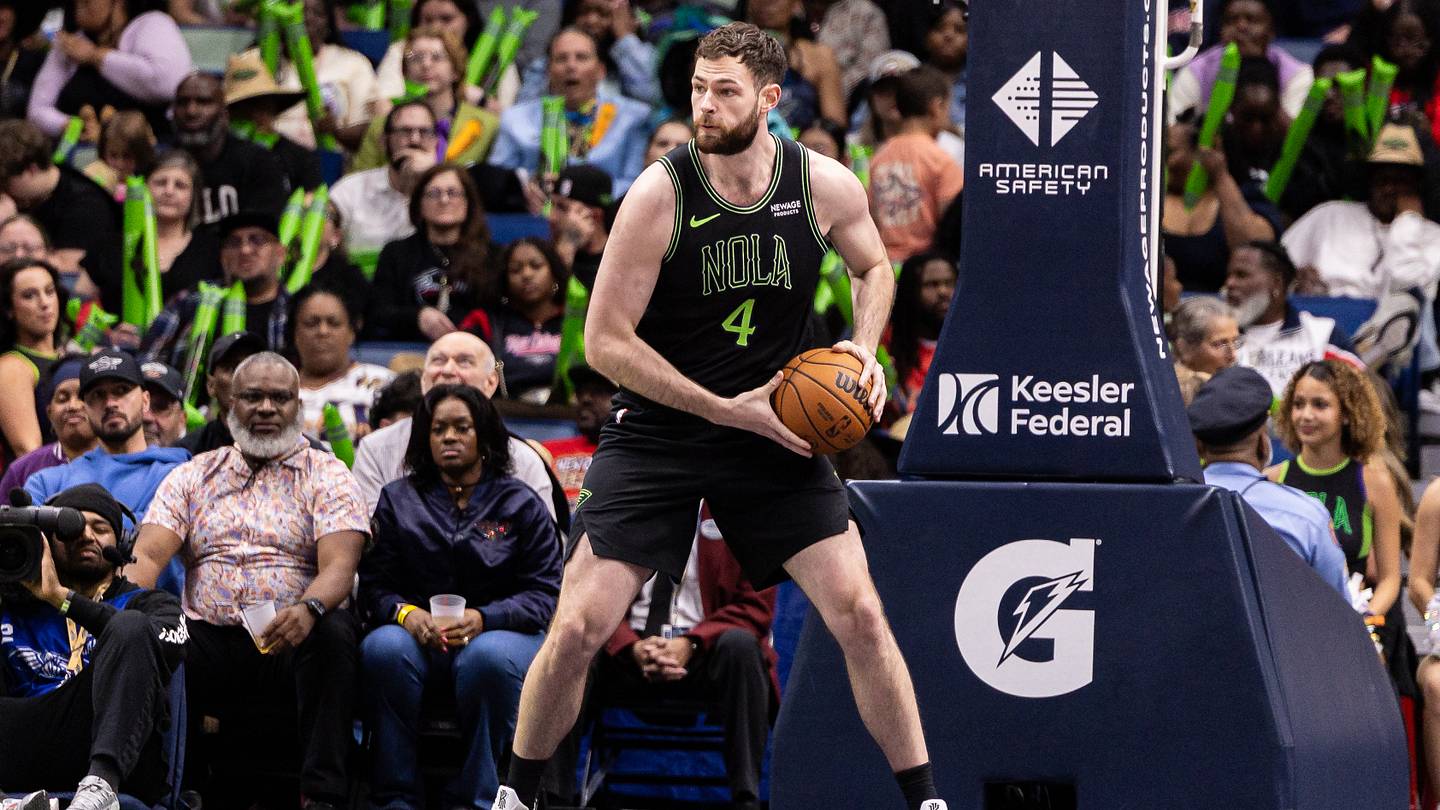
Source: SI NBA. Casualplayhub News adds summary, context, and editorial framing while linking back to the original report.
The New York Knicks have spent the offseason playing a patient game at the center position. Rather than rushing to sign a veteran big man, the front office decided to wait for opportunities to emerge during the preseason roster crunch. That strategy just delivered a clear candidate. On Tuesday, the New Orleans Pelicans waived two-way center Hunter Dickinson. The 25-year-old went unclaimed in the standard 48-hour window, meaning he can now sign with any team in need of frontcourt depth—and the Knicks fit that description perfectly.
Dickinson brings a combination of size, rebounding, and developing perimeter skills that aligns with what New York values. Across five collegiate seasons, he averaged 9.2 rebounds per game, and in 44 G League contests last year, he pulled down a staggering 11.0 boards per outing, including 3.2 on the offensive glass. In a post-Mitchell Robinson landscape, that kind of rebounding presence is a welcome asset. But Dickinson is not just a traditional paint presence. He showcased a reliable three-point stroke during the 2025-26 G League season, connecting at 39.0%, and he also averaged 3.3 assists, hinting at playmaking ability that could allow him to operate as a versatile offensive hub. At Summer League, he flashed that same touch, scoring 21 points in a comeback win for the Pelicans, including three triples.
Financially, signing Dickinson is almost risk-free. He was on a two-way deal last season, and those contracts do not count against the salary cap. Since he went unclaimed, he may even have to accept a non-guaranteed training camp invite, giving the Knicks a chance to evaluate him without any commitment. New York still has three two-way roster spots to fill, so bringing in Dickinson would not prevent Leon Rose from adding another center via trade or free agency. The Knicks also have room for one more veteran minimum contract while staying under the second apron, meaning they could sign a more established big to the main roster and still have Dickinson developing in the G League.
Dickinson is not a finished product. He averaged only 0.8 blocks per game in the G League, and his defensive impact remains a question mark. But for a third-string center role—one that is quietly crucial for keeping Karl-Anthony Towns fresh after a championship run—the upside is real. Working under head coach Mike Brown and learning from Towns and Andre Drummond could help Dickinson unlock the potential he has shown in flashes. The Knicks cannot rely on him as the answer at backup center, but he provides a quality depth option with a path to earning that No. 3 spot.
This situation is a reminder that the preseason roster squeeze often creates opportunities. Several teams around the league will need to offload players before opening night, and the Knicks are positioned to benefit. Dickinson is the first name to surface, but he will not be the last. For now, New York has a low-risk, high-reward addition staring them in the face—one that fits both their salary structure and their on-court needs.
Article commentary
The Knicks' front office has demonstrated a disciplined approach to roster construction throughout the offseason, and the Hunter Dickinson situation is a textbook example of that patience. By waiting for the preseason waiver wire, New York can evaluate a player without committing significant resources. This strategy is particularly smart given the team's tight salary cap situation and the need to keep flexibility for future moves. Dickinson's skill set is intriguing because it directly addresses a gap left by Mitchell Robinson's departure. The Knicks have Karl-Anthony Towns as their starting center and Andre Drummond as the primary backup, but the third-string role is open. A player who can rebound at an elite level and stretch the floor adds a dimension that could be valuable in certain matchups. His 39% three-point shooting in the G League is not a fluke—he showed touch in college and summer league. If that translates even partially to the NBA, he becomes a modern center who can space the floor for the Knicks' second unit. However, it is important to temper expectations. Dickinson has just five NBA appearances under his belt, and his defensive limitations are real. He is not a rim protector, and his lateral quickness may be a liability against NBA guards. The Knicks would be wise to sign him to a two-way contract and let him develop in the G League before considering a promotion. That approach aligns with the team's track record of developing young talent, and it also allows them to continue searching for a more proven option. The broader context is that the backup center market has been hot this summer, with several teams paying premium prices for depth. The Knicks' ability to wait out the market and potentially land a player like Dickinson for a two-way deal is a testament to their front office discipline. It also reflects the reality that championship teams need cost-effective contributors. With Towns and Drummond locked in, the Knicks do not need a star at the third center spot—they need a role player who can grab rebounds, hit the occasional three, and stay ready. Dickinson fits that profile. From a competitive standpoint, this move is more about depth than a headline-grabbing signing. But in the NBA, championships are often won by the margins—the players who fill out the end of the bench and step up when called upon. Dickinson has the tools to be that player. The Knicks should pounce on this opportunity, not because it is a dream come true, but because it is smart business. The dream is still winning another title, and every small piece matters.