Devers Returns to Fenway, Avoids Discussing Red Sox Split
Source: ABC30 Fresno Sports. Casualplayhub News adds summary, context, and editorial framing while linking back to the original report.
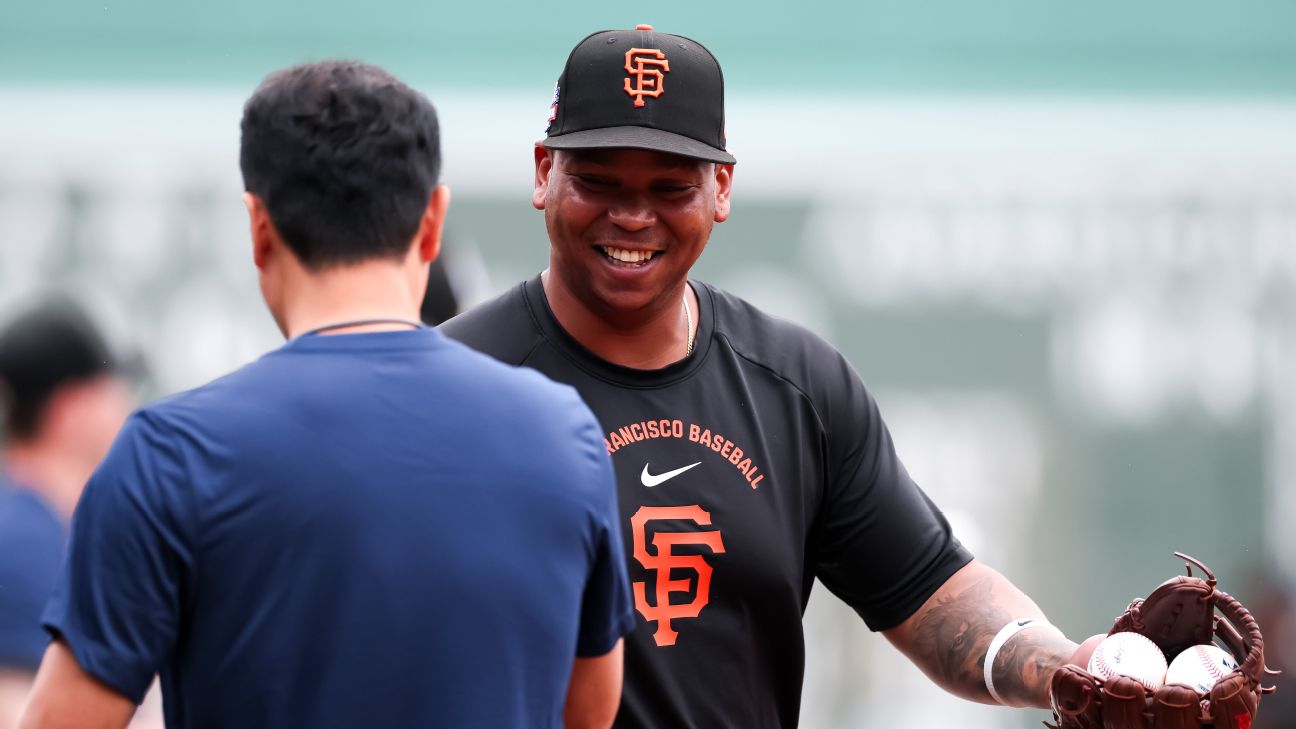
BOSTON — A light drizzle fell over Fenway Park on Friday afternoon, August 21, 2026, as Rafael Devers emerged from the visitors' dugout, a familiar face in an unfamiliar uniform. The San Francisco Giants third baseman, now playing first base, paused to sign autographs for fans — some wearing his new Giants jersey, others still clinging to the Red Sox jersey he wore for more than eight years, a tenure that included helping Boston win the 2018 World Series. Devers acknowledged the flood of memories but made it clear he had no interest in revisiting the past. "I don't want to think about the past, I don't want to talk about the past," Devers said through an interpreter before the Giants faced the Red Sox. "But at the same time, we're all men, we're all grown-ups and you have to understand that this is the business of baseball. But at the same time, you make mistakes and you have to move on and mature." Those words stood in stark contrast to the icy departure that ended his tenure in Boston. The relationship between Devers and the Red Sox began to crack in February 2025, when the team signed Gold Glove third baseman Alex Bregman and asked Devers to move to designated hitter. Devers eventually agreed, but when first baseman Triston Casas suffered a season-ending knee injury, the Red Sox approached Devers about playing the field. He declined, telling the front office they "should do their jobs" and find another player. The tension came to a head in June 2025, when Boston traded the three-time All-Star to the Giants. The return was modest: right-hander Jordan Hicks, lefty Kyle Harrison, outfield prospect James Tibbs III, and minor league righty Jose Bello. Red Sox president Sam Kennedy defended the move, saying, "We worked at it. We had a different vision for him going forward than he had, and we couldn't get there. We couldn't find alignment. And we reached that inflection point and made the decision to make a big move." A little over a year later, the Red Sox have undergone further upheaval. Bregman left in free agency, and manager Alex Cora was fired in April after a 10-17 start. Since then, Boston has caught fire, riding a 15-game winning streak and posting a 22-11 record since the All-Star break, firmly back in postseason contention. Meanwhile, the Giants have struggled, arriving in Boston with a 52-75 record. Devers leads the team with 25 home runs and 31 RBIs, but also has a team-high 141 strikeouts. He has been playing first base frequently, though he had a notable dustup with Giants manager Tony Vitello in June when he initially resisted a pinch runner and angrily headed to the dugout. Despite that, Devers said he feels settled in San Francisco. "I can't compare [the two teams]," Devers said. "The only thing I can say is that is my team, I'm very comfortable, they have supported me, they have trusted. I'm just hoping to continue doing well for them." He expressed no regrets about how his time in Boston ended. "I feel really good. It's been a year. I think I have matured there in a year," Devers said. "I think I have learned as an athlete there are things that are going to happen. What you have to do is move forward and learn from that." The reception from the Fenway crowd was mixed — some cheers, some silence — a reflection of the complicated legacy Devers left behind. As he stood on the Fenway dirt, now in the other dugout, the past and present collided — but he seemed determined to keep his eyes forward.
Article commentary
Rafael Devers' return to Fenway Park as a visiting player underscores the often cold calculus of professional sports. A franchise cornerstone just two years ago, he was traded away after a public disagreement over his role. The narrative paints Devers as stubborn, but it also reveals a front office that chose a strategic vision over a star player. The Red Sox signed Alex Bregman to upgrade third base, then asked Devers to DH — a logical move on paper but one that ignored the emotional investment of a player who had just signed a $313.5 million contract. When Devers later refused to play first base, he effectively dared the front office to act. They did. The trade, however, has not yielded clear winners. The Red Sox received a small haul that has yet to produce significant returns. Jordan Hicks and Kyle Harrison have been inconsistent, and the prospect James Tibbs III is still developing. Meanwhile, San Francisco gambled on a player with a complicated reputation, and Devers — while productive — has shown flashes of the same friction, notably his June incident with manager Tony Vitello. The Giants are mired in a losing season, and Devers' strikeout rate remains a concern. Yet Devers insists he has matured. His quotes suggest a man who has learned to compartmentalize the past. But actions speak louder than words. His willingness to play first base for the Giants, despite his earlier resistance in Boston, hints at a selective defiance. Perhaps the issue was never about positions but about trust. The Red Sox, for their part, have thrived since the trade, but that success is more attributable to a managerial change and a hot streak than to the trade itself. Bregman is gone, Cora is gone, and the team is winning with a different core. This saga highlights the delicate balance between player agency and organizational control. Devers wanted to be treated as a star; the Red Sox treated him as a piece. Neither side is entirely wrong, but the breakup was inevitable. As Devers stood in the visitors' dugout, he embodied the reality that in baseball, loyalty is often a one-way street — until the next deal. The question remains whether he will find lasting stability in San Francisco or if his pattern of conflict will follow him. For now, he is focused on the present, and that may be the most mature decision he has made. The 2018 World Series title remains a shared memory, but the business of baseball has moved on, leaving both Devers and the Red Sox to navigate their separate futures. The next chapter will determine whether this trade was a necessary reset or a missed opportunity for both sides.