Alex Jones' Texas Court Win: $1 Billion Judgment Still Looms
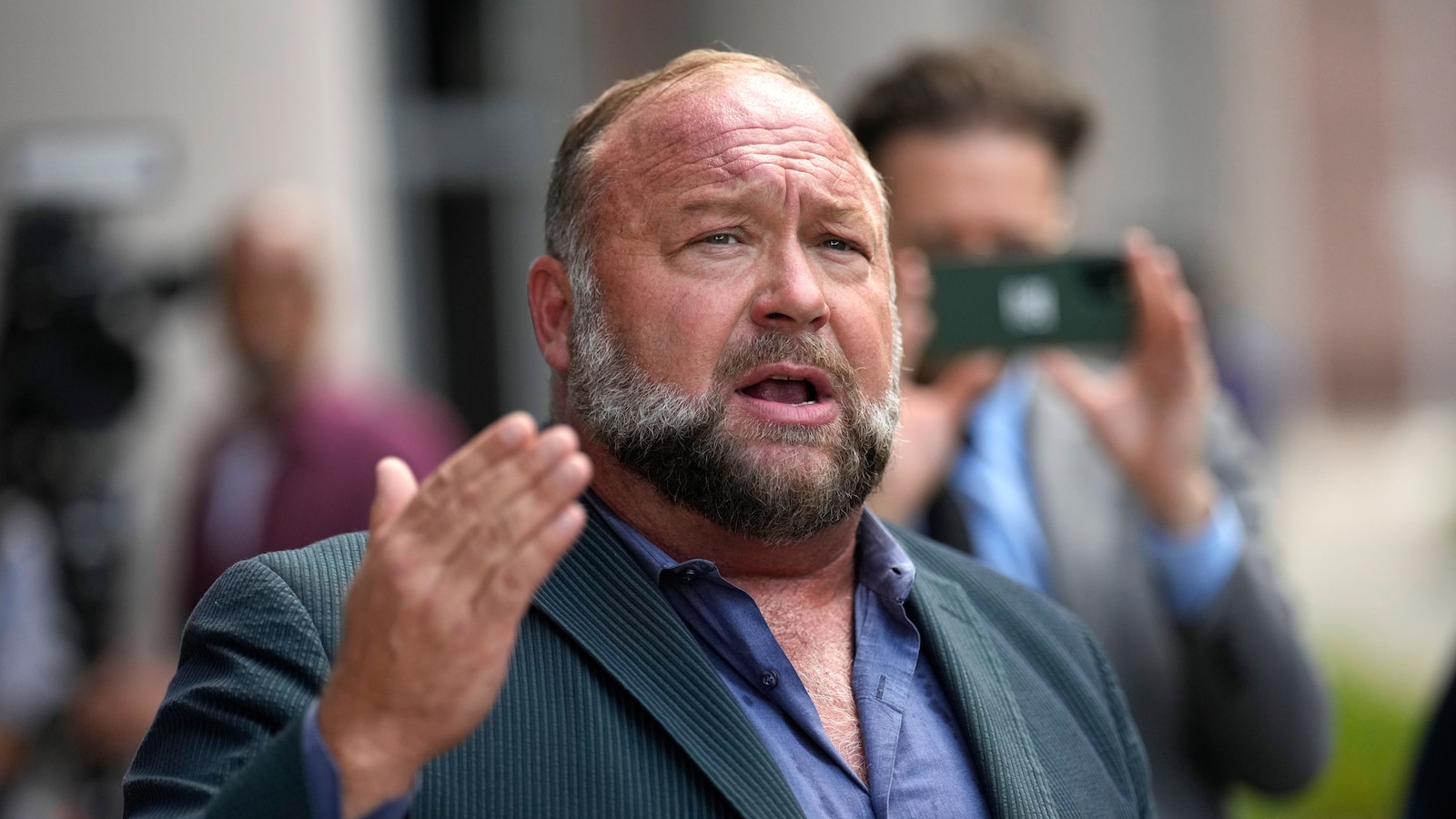
Source: ABC News US. Casualplayhub News adds summary, context, and editorial framing while linking back to the original report.
Ad eligibility review: sensitive-topic
Conspiracy theorist Alex Jones secured a partial legal victory in Texas last week, but the financial storm he faces is far from over. A state appeals court threw out the bulk of a $50 million defamation award, slashing the punitive damages from more than $40 million to just $1.5 million. The ruling, issued on August 22, 2026, still leaves Jones liable for nearly $6 million in the case brought by relatives of Sandy Hook victims. Yet the bombastic Infowars founder, who has built a career on outrageous claims, remains under orders to pay over $1 billion in total damages across multiple lawsuits.
Jones and his company, Free Speech Systems, filed for bankruptcy in 2022 as the judgments mounted. The liquidation process forced him to surrender his Infowars platform, but he still broadcasts on other websites and social media, selling merchandise that generates millions annually. The Sandy Hook families have not received a cent from Jones, as he presses appeals in state and federal courts.
The Texas case centered on Jones' false assertion that the 2012 Sandy Hook Elementary School shooting, which killed 20 first graders and six educators, was a staged hoax involving "crisis actors" designed to push gun control. Victims' relatives testified that Jones' followers subjected them to death threats, rape threats, and relentless harassment online and in person. Jones argued that there was no direct link between his words and the actions of others, though he later conceded under oath that the shooting did occur.
On Friday, the Texas Third Court of Appeals ruled that the original punitive damages award vastly exceeded the state's statutory cap. The decision cut the punitive portion from over $40 million to $1.5 million, leaving the rest of the judgment—including compensatory damages—intact. The court did not overturn the finding of defamation. Jones celebrated the ruling as a triumph for free speech, vowing to continue his appeals. "I got lawyers who are good constitutional lawyers, and they are not backing down," he said.
However, the Texas win has no bearing on the larger Connecticut case, where a jury awarded $1.4 billion in damages, later reduced to $1.25 billion on appeal. The U.S. Supreme Court declined to hear Jones' appeal last year, leaving that judgment standing. Mark Bankston, attorney for the Sandy Hook families in the Texas case, dismissed the ruling as irrelevant. "The families care not at all about this irrelevant ruling which affects only two of the 19 claims they all share. Jones still faces over a billion dollars of liability, so this changes absolutely nothing. All it does is highlight the absurdity of Texas law," Bankston said.
The saga of Alex Jones and Infowars traces back to the mid-1990s, when he was fired from an Austin radio station and began broadcasting from home on his Infowars website, which he launched for a $9 domain name. Over the decades, he peddled conspiracy theories about the Oklahoma City bombing, 9/11, and countless other events. His audience grew, and by 2024, he operated four studios in Austin and a warehouse for product sales. The bankruptcy and legal battles have since dismantled his empire.
Meanwhile, the satirical website The Onion has moved to take over Jones' Infowars platforms, aiming to turn his bullhorn of misinformation into a parody site. Jones took Infowars offline in April 2026. A proposed licensing deal that would grant The Onion temporary rights to Infowars' trademarks, copyrights, and intellectual property remains on hold during Jones' appeals. The Onion has already set up its own Infowars webpage, parodying the original—replacing the "o" in Infowars with an onion and selling merchandise like T-shirts and coffee mugs, with a portion of proceeds going to the Sandy Hook families.
As Jones continues to broadcast on alternative platforms, the families wait. The legal maze is far from resolved, and the billion-dollar question remains: will they ever collect?
Article commentary
Alex Jones' partial victory in a Texas appeals court is a narrow legal maneuver that does little to alter the broader landscape of accountability for his defamatory statements. By trimming the punitive damages from over $40 million to $1.5 million, the court applied a statutory cap that exists in many states to prevent excessive awards. But this procedural win is overshadowed by the $1.25 billion judgment in Connecticut—a sum that dwarfs the Texas reduction and underscores the enormous financial liability Jones still faces. What stands out in this case is the resilience of the legal system in holding public figures accountable for deliberate misinformation. The Sandy Hook families have endured years of harassment and threats, yet they have persisted through multiple lawsuits across two states. The Texas ruling, while technically a reduction, does not erase the finding of defamation, nor does it diminish the harm caused. Jones' claim that the decision is a "major victory for free speech" is a rhetorical stretch. Free speech does not protect defamation, and the courts have consistently affirmed that his false statements caused real damage. The bankruptcy proceedings have added another layer of complexity. Jones' assets have been liquidated, and he has lost control of his Infowars platform—a symbolic blow to his media empire. Yet he continues to broadcast on other sites, generating revenue through product sales. This raises questions about whether the legal system can effectively prevent him from profiting from his platform while still owing billions. The Onion's attempt to turn Infowars into a parody site is a creative, if unconventional, approach to repurposing a toxic brand. But the stalled licensing deal shows how legal appeals can delay even the most innovative solutions. From a broader perspective, the Jones saga highlights the tension between punitive damages and constitutional limits. The Texas cap on punitive damages was designed to prevent windfall awards, but it also limits the deterrent effect of large judgments. Critics argue that such caps protect wealthy defendants who can afford to appeal, while victims wait years for compensation. The families' attorney, Mark Bankston, called the Texas ruling "absurd" precisely because it highlights this imbalance. The Connecticut case, with its $1.25 billion judgment, remains the centerpiece of accountability. The Supreme Court's refusal to hear Jones' appeal signals that the legal system is unlikely to overturn that verdict. However, the practical challenge of collecting such a massive sum from a bankrupt individual is immense. Jones may never pay the full amount, but the judgments serve as a powerful deterrent to others who might spread dangerous falsehoods. Ultimately, this case is a study in the limits of legal remedies. While the courts have spoken, the enforcement of those rulings remains uncertain. The Sandy Hook families have shown remarkable patience and determination, but the emotional toll is immeasurable. The Texas ruling may be a minor setback in their quest for justice, but it does not change the fundamental reality: Alex Jones is a serial liar who caused immense suffering, and the legal system has held him accountable—even if the financial recovery remains elusive.