SpaceX seeks natural gas trader to fuel rocket and chip ambitions
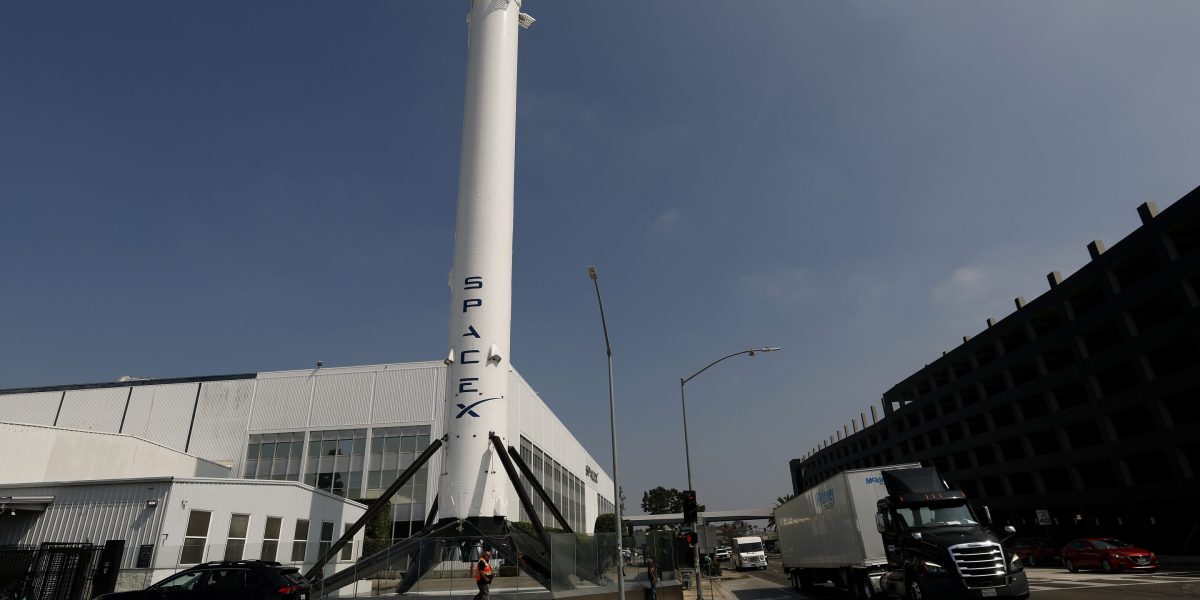
Source: Fortune. Casualplayhub News adds summary, context, and editorial framing while linking back to the original report.
Elon Musk's SpaceX is taking a significant step into the energy sector, posting a job opening for a natural gas trader to establish and lead a dedicated trading desk. The role, which focuses on physical and financial natural gas trading, underscores the company's mounting need for fuel and electricity as it scales up rocket production and semiconductor manufacturing. This move comes on the heels of SpaceX's announcement earlier this month that it plans to construct its own gas-fired power plants to meet the immense electricity demands of a massive chip fabrication facility it is building in Texas alongside Tesla Inc. The surge in power consumption from data centers and new industrial sites has sharply increased the appetite for new gas plants, and Musk's long-standing preference for vertical integration appears to be driving this strategy. In June, SpaceX president and chief operating officer Gwynne Shotwell told CNBC that the company also intends to build its own gas pipelines and is even exploring the possibility of drilling for natural gas. These steps represent "huge investments to develop our own propellant and bring it to the rocket," she said. The company's Starship rocket, the most powerful ever built, relies on super-chilled methane—the primary ingredient in natural gas—combined with liquid oxygen as propellant. By bringing natural gas trading in-house, SpaceX aims to secure a stable supply and potentially hedge against price volatility. The job posting emphasizes that the trader will handle both physical deliveries and financial derivatives, a skill set more commonly found in Houston or Calgary than in the aerospace hub of Cape Canaveral, Florida, or the remote Starbase facility in Texas—the two potential locations for the role. Remote work will not be considered, according to the listing. SpaceX is not alone in this trend. Other technology behemoths such as Meta and OpenAI have recently signaled their own moves into power trading as their energy footprints expand. OpenAI, for instance, is hiring a power-trading lead for its data center portfolio. This convergence of tech and energy underscores a broader shift: as companies scale their operations in areas like artificial intelligence, cloud computing, and space exploration, their energy needs become as critical as their core technologies. For SpaceX, the stakes are particularly high. The company's ambitions include not only launching satellites and ferrying astronauts but also manufacturing semiconductors at a facility that will require vast amounts of electricity. By controlling its own power generation, pipelines, and now trading, SpaceX is trying to insulate itself from market disruptions and cost swings. The company did not immediately respond to a request for comment on the hiring initiative. With this move, SpaceX is blurring the lines between aerospace, energy, and finance, signaling that the future of space exploration may be as much about securing terrestrial energy as it is about rocket science.
Article commentary
SpaceX's decision to hire a natural gas trader and build an in-house trading desk marks a notable departure from the traditional boundaries of the aerospace industry. This move reflects a deepening trend of vertical integration driven by Elon Musk, who has long championed controlling the supply chain from raw materials to final product. By bringing natural gas trading, pipeline construction, and even drilling into its orbit, SpaceX is attempting to secure a critical input—energy—at a time of unprecedented demand and volatility. The rationale is clear: the company's Starship program relies on methane, and its new semiconductor factory in Texas will consume enormous amounts of electricity. Relying on external markets for fuel and power exposes SpaceX to price spikes, logistical bottlenecks, and regulatory uncertainties. In-house trading allows the company to hedge risks, optimize procurement, and potentially profit from market inefficiencies. This strategy mirrors moves by other tech giants like Meta and OpenAI, which are also hiring energy traders to manage their growing power portfolios. The convergence of technology and energy is not new—companies like Google and Amazon have long been major buyers of renewable energy—but the shift toward active trading and physical infrastructure is a more recent phenomenon. It signals that energy has become a strategic asset, not just a cost center. However, this approach comes with challenges. Natural gas trading is a highly specialized field requiring deep knowledge of commodities markets, transportation logistics, and regulatory frameworks. The fact that SpaceX is positioning the role outside traditional trading hubs—in Cape Canaveral or Starbase—suggests it may struggle to attract top talent accustomed to the Houston or Calgary corridors. The no-remote-work policy further limits the talent pool. Additionally, drilling for natural gas involves environmental and regulatory hurdles that could delay timelines and increase costs. Critics may question whether SpaceX's core mission—space exploration—is best served by such a sprawling energy operation. Yet Musk's track record suggests he sees no contradiction; Tesla's vertical integration into battery production and charging networks has been a key competitive advantage. The broader implication is that energy independence is becoming a prerequisite for ambitious industrial projects. As data centers, AI training facilities, and rocket factories multiply, the companies behind them will increasingly seek to control their energy destiny. Whether this leads to more efficient markets or greater concentration of power remains to be seen. SpaceX's move is a bold bet that the future of energy is not just about electrons and molecules, but about who controls the pipeline—literally and figuratively.