Lakers' Ownership Change Stirs Luka Doncic Trade Speculation
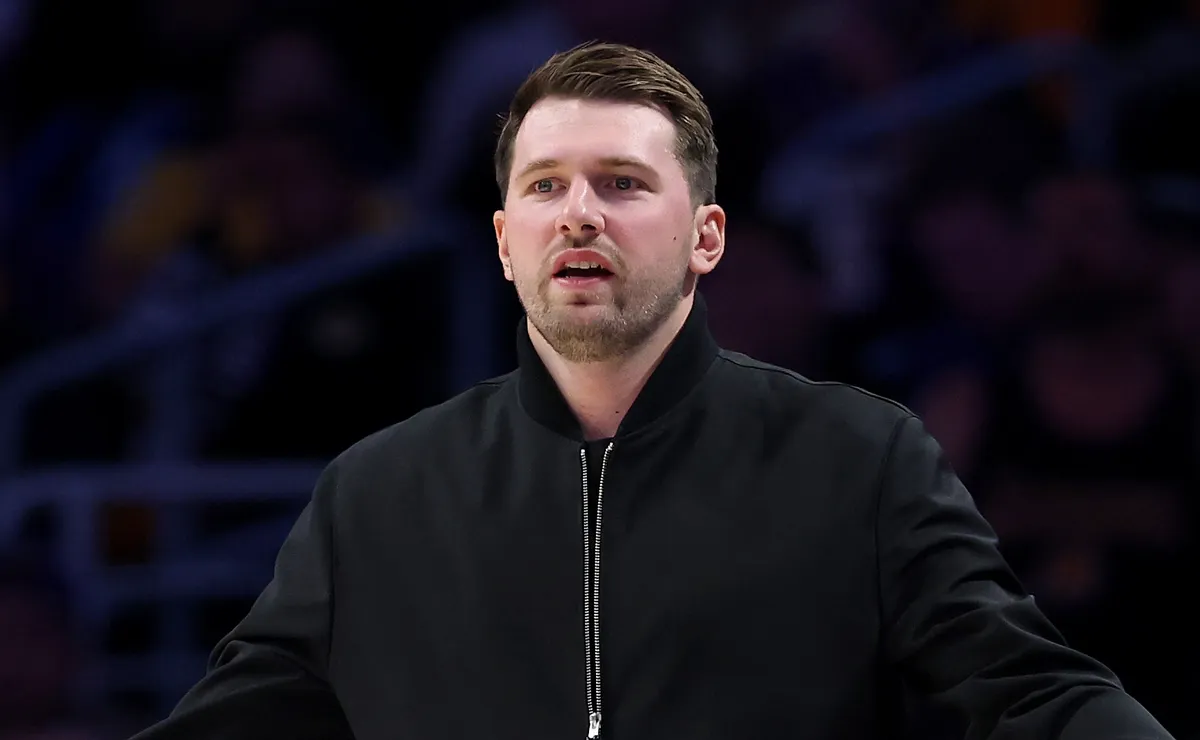
Source: Bolavip. Casualplayhub News adds summary, context, and editorial framing while linking back to the original report.
The Los Angeles Lakers find themselves navigating another seismic shift in ownership, a development that has sent ripples throughout the NBA. Mark Walter, the current majority owner, is selling his stake to a group led by Bob Iger and Joshua Kushner, valuing the franchise at an eye-popping $12.5 billion. This transaction marks the second time the Lakers have changed hands in just two years, following the previous sale that brought Walter into control. The instability at the top has created an unusual atmosphere around the team, one that naturally raises questions about the future of its marquee player, Luka Doncic.
Doncic, who arrived in Los Angeles in a stunning trade from the Dallas Mavericks in February 2025, has been a model of professionalism since the move. The 27-year-old Slovenian star never wanted to leave Dallas and was reportedly blindsided by the deal. Yet, he quickly embraced the Lakers' legacy, signing a contract extension that, while lucrative, is not as long as some might expect. ESPN's Tim MacMahon, speaking on The Hoop Collective podcast, highlighted the league's quiet interest. "Just like Nikola Jokic can profess his loyalty to the Nuggets, there's still going to be teams that are positioning themselves and monitoring that," MacMahon said. "It's the same thing with Luka. He's done nothing but express optimism and excitement about the Lakers since he signed that extension. But it's not that long-term of an extension. And you better believe there's teams around the league that are looking at that situation saying, 'Hey, if this thing goes sideways, we'd sure like to get Luka in midway through his prime.'"
Doncic's reaction to the latest ownership change has been measured. In a statement, he acknowledged the revolving door of leadership he has experienced, noting that the incoming group will be the fifth different owner or ownership group he has played under in recent years. "Being a Laker means everything to me, and I'm excited to get back on the court and bring a championship to LA," Doncic said. "I've gotten used to big changes over these last few years, but I know that no matter what, there is no limit to the potential of this iconic franchise. I look forward to meeting Josh and Bob so we can get to work building something special in LA together."
On the court, Doncic continues to deliver elite production. During the 2025-26 season, he averaged 33.5 points, 7.7 rebounds, 8.3 assists, 1.6 steals, and 0.5 blocks per game, numbers that place him firmly in the MVP conversation. His loyalty to the Mavericks was well-documented, and the trade to the Lakers still stings for many fans in Dallas. Now, with the franchise's ownership in flux, the question is whether Doncic will remain content in Los Angeles or if the instability will eventually push him to seek a change. The Lakers, for their part, are banking on a smooth transition, but the league's general managers are ready to act if the situation deteriorates.
Article commentary
The Lakers' ownership saga, while dramatic, is not unprecedented in professional sports. Franchises often change hands, and star players typically adapt if the team remains competitive. However, the frequency of these changes in Los Angeles is noteworthy. Two ownership shifts in two years create an environment of uncertainty that can erode trust, especially for a player like Luka Doncic who has already experienced a forced trade. The $12.5 billion valuation underscores the Lakers' status as a premier asset, but it also places immense pressure on the new owners to deliver stability and success. Doncic's contract situation is the key variable. The extension he signed, while not short, is not a supermax deal that ties him down for years. This flexibility is a double-edged sword. It gives Doncic leverage if he becomes unhappy, but it also invites rival teams to monitor his situation. MacMahon's comments reflect a league-wide reality: every superstar's loyalty is tested when organizational chaos arises. The comparison to Nikola Jokic is apt, as Jokic has repeatedly professed loyalty to Denver despite the Nuggets' own challenges. But Doncic's path differs—he was traded without warning, which may have planted seeds of caution. The incoming ownership group of Bob Iger and Joshua Kushner brings a mix of media savvy and financial acumen. Iger's experience running Disney could help stabilize the Lakers' brand, while Kushner's connections may strengthen the front office. Yet, basketball decisions ultimately hinge on the relationship between the owner and the star. If Doncic feels the new owners are committed to building a championship roster, he will likely stay. If not, the league's suitors are ready. From a competitive standpoint, trading Doncic would be a catastrophic move for the Lakers, unless they receive a historic haul. Given his age (27) and production, he is among the most valuable assets in the NBA. The teams watching—likely those with cap space and young assets—will be patient. The Lakers' best path is to demonstrate stability, win games, and ensure Doncic sees a bright future. The ownership change, while disruptive, could be a catalyst for renewed focus. But the next few months will be critical. If the Lakers stumble, Doncic's name will dominate trade rumors, and the league will be ready to pounce.