Indonesia Arrests 72 in Crackdown on Deliberate Forest Fires
Source: Los Angeles Times World. Casualplayhub News adds summary, context, and editorial framing while linking back to the original report.
By Niniek Karmini
Aug. 23, 2026
Indonesian police have arrested 72 people on suspicion of deliberately setting forest and peatland fires, a move that underscores the government's push to combat the illegal land-clearing practices that have choked the region with toxic haze. The arrests, announced Wednesday, come as investigators probe whether plantation companies financed the fires to clear land cheaply for crops like palm oil and pulpwood.
The suspects were apprehended in several provinces across Sumatra and Kalimantan, areas notorious for annual burning. A police official stated that the arrests were part of a broader operation targeting both the individuals who set the fires and the corporations that may have funded them. "We are not just going after the small farmers; we are looking at the entire chain of command," the official said.
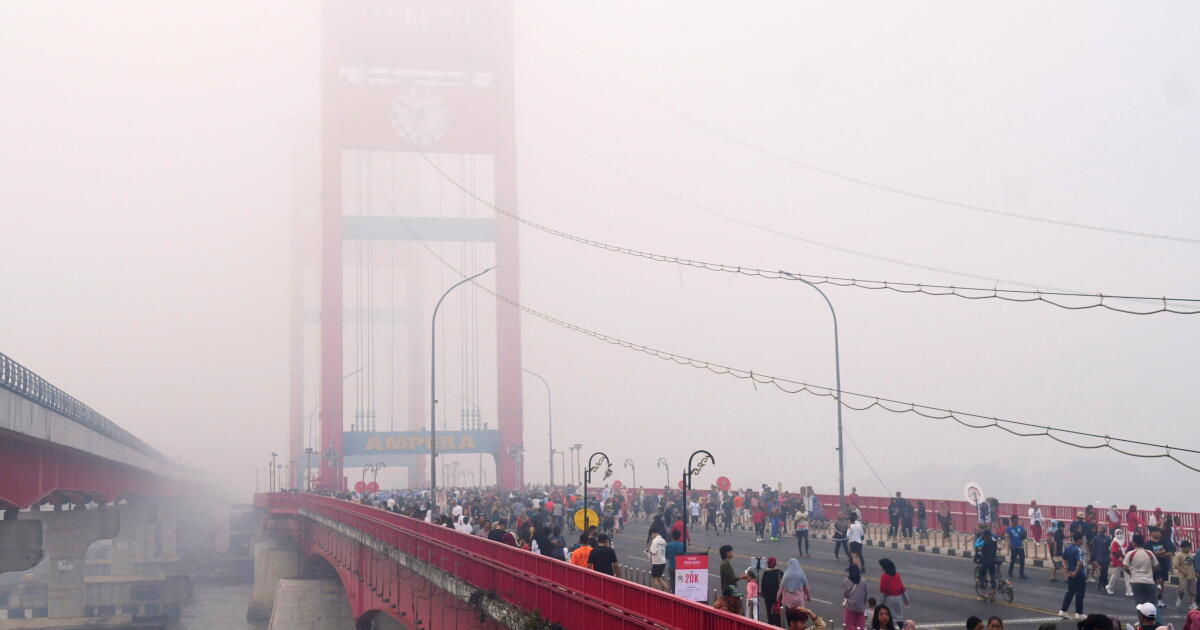
The fires, fueled by a strong El Niño and a prolonged dry season, have blanketed parts of Indonesia and neighboring countries in thick smoke, causing respiratory illnesses and disrupting flights. Peatland fires are particularly difficult to extinguish and release vast amounts of carbon dioxide, contributing to global warming.
Environmental groups have long criticized the government for not doing enough to stop the burning. This year's crackdown appears more aggressive. According to the National Disaster Mitigation Agency, more than 1,000 hotspots have been detected in recent weeks, down from previous years but still significant.
The arrests highlight the challenge of balancing economic development with environmental protection. Plantation companies often rely on cheap land-clearing methods, and smallholders follow suit. The government has promised to enforce laws that ban burning, but enforcement has been inconsistent.
Investigators are now examining financial records to determine if any plantation companies knowingly funded the fires. If proven, they could face heavy fines and loss of licenses. The police have also seized equipment and vehicles used in the burning.
This is not the first time Indonesia has arrested scores of people for forest fires. In previous years, hundreds have been detained, but few have been convicted. The key difference this time is the focus on corporate financing. Legal experts say proving intent and financial links remains difficult.
The dry season is expected to last until October, raising fears of more fires. Authorities have deployed water-bombing aircraft and cloud-seeding teams, but prevention remains the most effective strategy. The arrests send a strong signal that the government is serious about tackling the problem, but sustained action will be needed to stop the annual haze crisis.
The health toll has been severe. Hospitals in affected regions report a surge in respiratory cases, and schools have been forced to close. The economic cost is also high, with flight cancellations and lost productivity. Neighboring Singapore and Malaysia have voiced frustration, urging Jakarta to take stronger measures. The ASEAN haze agreement provides a framework for cooperation, but implementation has been weak.
Despite the arrests, some activists remain skeptical. They point out that without addressing the underlying drivers of land-use change, the fires will continue. The government's commitment to sustainable palm oil certification has been questioned, and illegal plantations still operate in protected areas. The current crackdown must be part of a broader strategy that includes restoring degraded peatlands, providing alternative livelihoods for smallholders, and strictly enforcing corporate accountability.
As the dry season reaches its peak, the world watches to see if Indonesia can turn the tide on its annual fire crisis. The arrests are a step forward, but they are only one piece of a much larger puzzle.
Article commentary
The arrest of 72 individuals for deliberately setting forest fires in Indonesia is a significant enforcement action, but it raises questions about whether such measures can truly stem the annual burning crisis. The focus on financiers, particularly plantation companies, marks a shift in strategy. Historically, authorities have prosecuted small-scale farmers, while corporations that benefit from cheap land clearing often escape accountability. This time, investigators are probing financial links, which could lead to more meaningful deterrence if successful. However, proving that a company knowingly funded illegal burning is legally challenging. Companies can claim ignorance or blame rogue employees. Even if convictions are secured, fines may be too low to outweigh the profits from rapid land expansion. The economic logic of clearing land with fire is powerful: it is fast, cheap, and effective. Without providing alternative, affordable land-clearing methods, smallholders will continue to burn. The El Niño phenomenon exacerbates the problem, but it is not the root cause. The underlying issue is land-use policy and the relentless demand for palm oil and pulpwood. Indonesia has some of the world's most stringent anti-burning laws, but enforcement has been weak. The current crackdown may be a response to international pressure, especially from neighboring countries that suffer from the haze. Singapore and Malaysia have repeatedly urged Indonesia to take stronger action. Climate change adds urgency. Peatland fires release enormous amounts of greenhouse gases, undermining global efforts to limit warming. The 2026 fires could be particularly severe due to the dry conditions. The government's deployment of water-bombing aircraft and cloud seeding are reactive measures. Long-term solutions require restoring peatlands, creating fire-free land-clearing technologies, and ensuring that smallholders have access to them. The arrests send a signal that the government is serious, but they must be followed by swift prosecutions and visible penalties. Otherwise, the message is that the risk is worth taking. The challenge is systemic. As long as the economic incentives for burning remain high, and the costs of enforcement remain low, the fires will continue. The real test will be whether the government can sustain this effort beyond the current dry season and build a framework that prevents fires before they start. In essence, the arrests are a necessary but insufficient step. They represent progress in targeting the entire supply chain, but without comprehensive land reform and stronger corporate accountability, the haze will return. The world is watching, and the stakes have never been higher.