Antetokounmpo's Pull: Fontecchio Passes Up Bigger Money to Stay in Miami
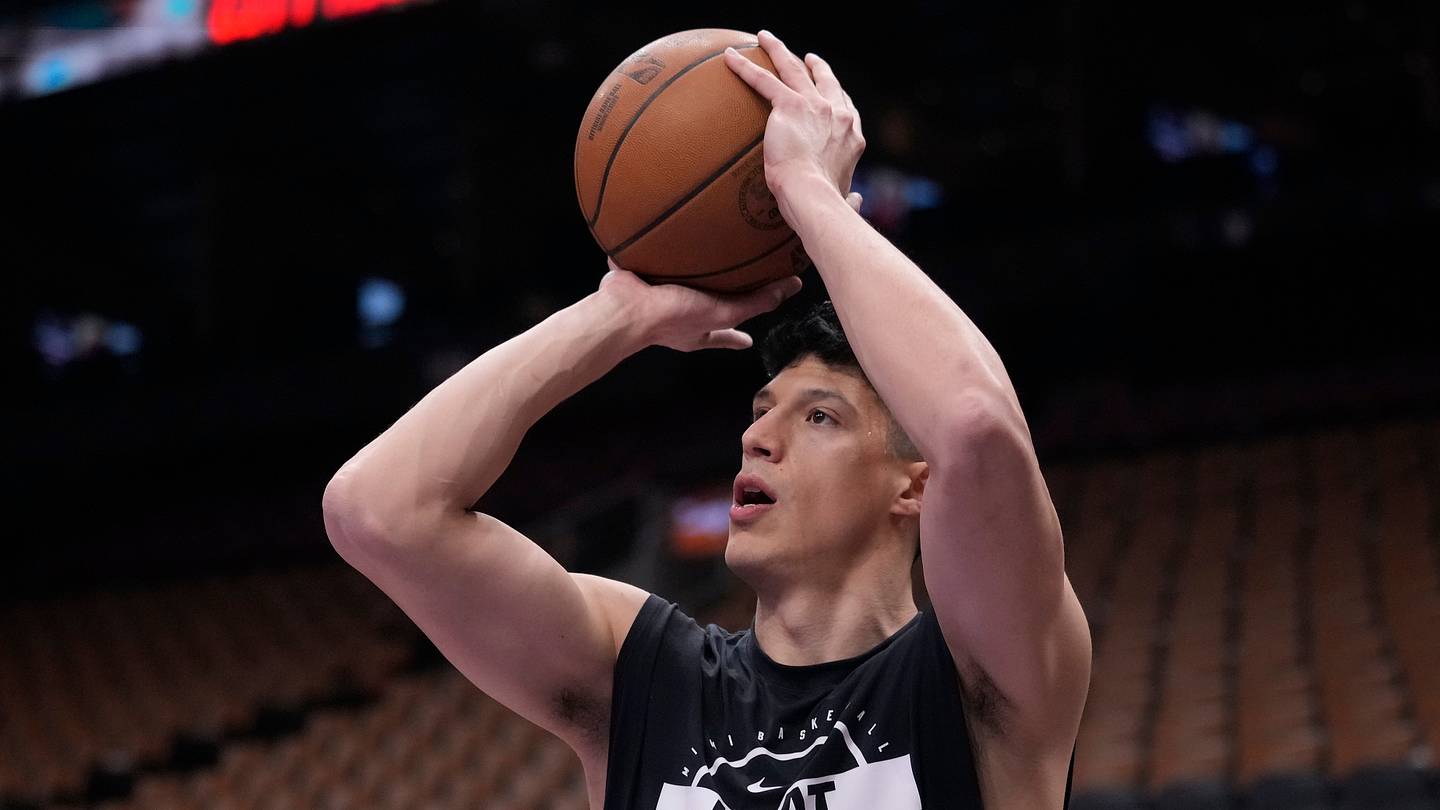
Source: SI NBA. Casualplayhub News adds summary, context, and editorial framing while linking back to the original report.
Simone Fontecchio had a decision to make. After four seasons bouncing between the Utah Jazz, Detroit Pistons, and Miami Heat, the 30-year-old Italian forward could have tested the open market and likely secured a more lucrative contract. Instead, he chose Miami. Fontecchio is returning to the Heat on a veteran minimum deal with a projected salary cap hit of $2.45 million, a financial sacrifice that underscores his priorities. Money was not the driving force. The opportunity to remain with Miami and share the court with Giannis Antetokounmpo proved irresistible.
Fontecchio opened up about his reasoning in a recent column by Italian journalist Giuseppe Nigro. "My desire was to stay in the NBA, preferably in Miami," Fontecchio said. "The team's choices were clear from the start, making a big move to get a Hall of Famer like Antetokounmpo. I saw an opportunity to play on a team that really has championship ambitions. An opportunity for me, for the organization, for the city, and for the team to try to achieve something bigger. On my part, there's a lot of excitement and curiosity to get to know him and see what it's like to play with him. The fact that they wanted me strongly even before free agency reassured me and made me even more eager to stay."
The decision came with a clear rejection of a return to Europe. Fontecchio never entertained offers from overseas once the Heat opportunity emerged. "We didn't even consider the idea of returning to Europe this summer," he said. "We didn't go looking for any offers. When this opportunity came..." The sentiment reflects a player fully committed to the NBA grind and the Miami organization.
Fontecchio's role last season highlighted his professionalism. He embraced whatever minutes came his way, whether a key rotation piece or sitting on the bench. When asked about his role this season, he offered a veteran's perspective. "NBA seasons are long, weird, and anything can happen," Fontecchio said. "We still have a couple of roster spots to fill. Last year was unusual; I went back and forth between being a key part of the rotation and being out. I learned to embrace this role and this world: the NBA isn't for everyone, it's not easy, but if you want to be in it, you have to accept certain dynamics. At 31, I've fully accepted them—I have broad enough shoulders."
Statistically, Fontecchio brings exactly what Miami needs: size and shooting off the bench. Over his four NBA seasons, he has connected on 36.7% of his three-point attempts, including a solid 37.5% with the Heat during the 2025-26 campaign. With the gravitational pull of Antetokounmpo and other playmakers, his numbers could improve further. Fontecchio's ability to thrive without the ball should allow him to fit seamlessly alongside the superstar while also providing a scoring boost for the second unit. This past season, he ranked in the 82nd percentile among all NBA players in ODPM, the 80th percentile in several three-point shooting categories, and the 98th percentile in defensive rebounding impact.
Fontecchio's decision reflects a veteran's mindset: prioritizing family, stability, and championship aspirations over immediate financial gain. For the Heat, landing a professional who understands his role and can knock down shots while defending multiple positions is a low-cost, high-reward move. As the team chases another title, Fontecchio's selflessness and skill set could prove invaluable.
Article commentary
Simone Fontecchio's decision to take a veteran minimum contract with the Miami Heat rather than pursue a larger payday elsewhere is a textbook example of how championship culture and star power can influence free agency. The move, driven in part by the presence of Giannis Antetokounmpo, reveals a player willing to sacrifice immediate earnings for a shot at something bigger. This is not a story about a player settling; it's about a veteran understanding his value within a specific system. From a team-building perspective, the Heat have long been adept at finding undervalued role players who fit their culture. Fontecchio fits the mold: a professional who can shoot from deep, defend multiple positions, and accept a fluctuating role without complaint. His 36.7% career three-point percentage and 98th percentile defensive rebounding impact make him a useful piece in Miami's rotation. More importantly, his willingness to take a pay cut suggests he prioritizes winning over personal stats, a trait that aligns with the Heat's ethos. Antetokounmpo's gravitational pull cannot be overstated. Even before stepping on the court together, the two-time MVP's reputation for winning and his Hall of Fame trajectory have already influenced roster decisions. Fontecchio's excitement to play alongside him is genuine, and the chemistry between a star who commands attention and a shooter who thrives off the ball could be potent. Miami's offense, which often struggles with spacing, could benefit from Fontecchio's ability to stretch the floor and make quick decisions. However, the decision also raises questions about the broader NBA landscape. Fontecchio, at 30, is entering his prime years. Taking a minimum deal is a gamble on health and opportunity. If he performs well, he could earn a larger contract next summer. But the risk is real: injuries or a diminished role could limit his earning potential. Yet, for a player who has already spent four seasons rotating through three teams, stability and a clear role may be worth more than the promise of extra cash. From a league-wide perspective, moves like this reinforce the importance of organizational culture. The Heat have consistently attracted players willing to take less money for a chance to compete. Fontecchio's decision is another data point in that trend. It also highlights how a single superstar can reshape a team's appeal. Antetokounmpo's presence alone made Miami a more attractive destination, even for a role player who might have otherwise looked elsewhere. The commentary here is not about whether Fontecchio made the right financial choice, but about how NBA players increasingly weigh intangible factors like fit, culture, and championship potential. In an era where player empowerment often leads to max contracts and trade demands, Fontecchio's choice is a refreshing reminder that some veterans still value the journey over the paycheck. For the Heat, this is a low-risk, high-upside addition that could pay dividends come playoff time.