Judge Clears RJ Luis Jr. for LSU After NBA Stints
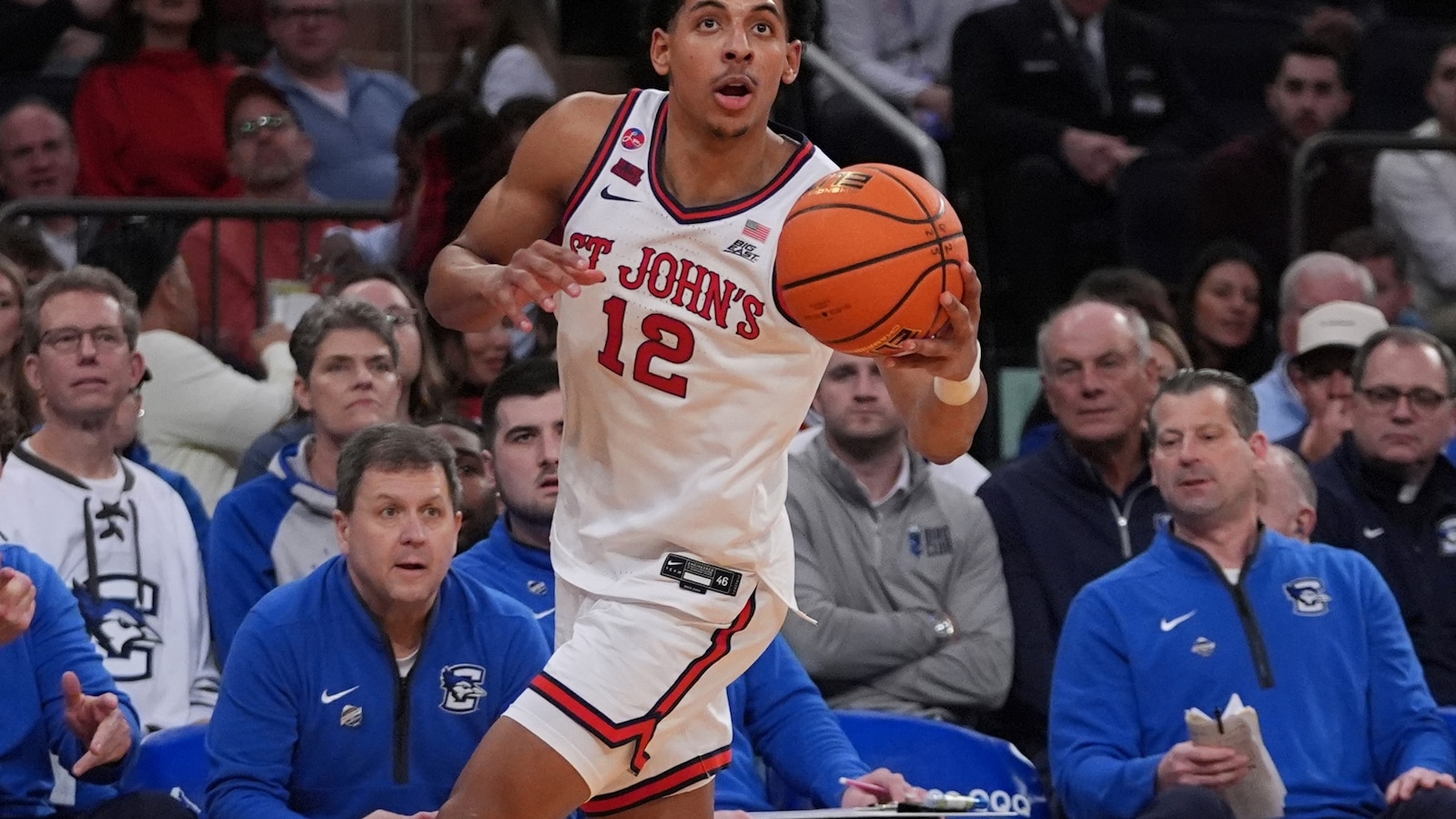
Source: ABC News Sports. Casualplayhub News adds summary, context, and editorial framing while linking back to the original report.
BATON ROUGE, La. -- A state judge cleared the way Monday evening for former St. John's standout RJ Luis Jr. to practice with LSU and potentially suit up for the Tigers this season, delivering a significant legal blow to the NCAA's eligibility restrictions. The ruling, issued by East Baton Rouge Parish District Court Judge Ronald R. Johnson after a five-hour hearing, grants Luis a preliminary injunction against the NCAA, which had argued that the player forfeited his college eligibility when he turned professional in 2025.
Luis, who signed contracts with the Utah Jazz and Boston Celtics but never appeared in an NBA game, embraced LSU head coach Will Wade after the decision. His attorneys, Baton Rouge-based Tony Clayton and Raleigh's Elliot Abrams, hailed the outcome as a landmark moment. "This is precedent. It's monumental," Clayton said outside the courtroom. "This allows him to go practice, go play and we'll let the legal process work itself out."
The NCAA had contended that Luis's situation was clear-cut: he left St. John's to pursue the NBA, and his failure to secure a roster spot does not erase that choice. NCAA attorney Taylor Askew cited the case of Alabama's Charles Bediako, who last season won a temporary restraining order allowing him to play five games before a judge ultimately sided with the NCAA's assertion of ineligibility. "I understand Mr. Luis is disappointed that he was not drafted and did not play in the NBA as much as he would have liked," Askew said. "Actions have consequences. Decisions have outcomes and they're not always the right ones or the ones that you want."
Luis's legal team countered that the NCAA has routinely granted exceptions for players from overseas professional leagues, and that American athletes deserve the same treatment. They emphasized that Luis never played in a single NBA game, nor did he appear for the Celtics' G League affiliate due to an injury. His professional resume, they argued, is far thinner than that of many college players recruited from abroad. Judge Johnson appeared swayed by that argument. "In the court's mind, (Luis) did not actually play professional basketball," Johnson said during his ruling. He also noted that the question of whether Luis was properly advised about his options when he left St. John's "lingers heavily before this court."
While the injunction allows Luis to immediately join LSU practices, the broader legal battle is far from over. Clayton acknowledged that the timeline for a final resolution remains uncertain. "I don't know, but there's a lot of discovery that Elliot and I have to obtain," he said. "We've got a lot of questions." The NCAA has not yet indicated whether it will appeal the ruling. The case could set a precedent for other college athletes who leave school for professional opportunities and later seek to return. For now, Luis can focus on basketball, but the legal stakes remain high for both the player and the NCAA's enforcement of amateurism rules.
Article commentary
The court's decision to grant RJ Luis Jr. a preliminary injunction against the NCAA is more than a personal victory for the player; it represents another crack in the foundation of the NCAA's century-old amateurism model. By ruling that Luis "did not actually play professional basketball," Judge Johnson drew a sharp line between signing a contract and competing at the professional level. This distinction could have far-reaching implications. The NCAA has long argued that any athlete who declares for the draft or signs with a professional team irrevocably forfeits college eligibility. Yet the judge's reasoning suggests that the key factor is actual participation, not contractual status. This aligns with the growing legal and public push to treat college athletes as individuals entitled to pursue professional opportunities without permanent penalties. Luis's case shares striking similarities with the Charles Bediako saga at Alabama, where a judge initially allowed the player to compete but later sided with the NCAA. The difference here may be the strength of the argument that the league has inconsistently applied its own rules. Luis's attorneys pointed out that the NCAA has granted waivers for players from overseas professional leagues, a double standard that is difficult to defend. If American players are held to a stricter standard than their foreign counterparts, the NCAA faces accusations of bias and arbitrary enforcement. This is not just a legal problem; it's a public relations crisis for an organization already under intense scrutiny from Congress and the courts. Looking ahead, the permanent resolution of Luis's eligibility will likely hinge on discovery and the NCAA's ability to justify its rules. The organization's defense relies on the idea that athletes who choose to leave school for the pros must accept the consequences. But in an era where athletes can profit from their name, image, and likeness, and where the transfer portal has made movement fluid, the old rigidity seems increasingly outdated. Judge Johnson's comment about whether Luis was "properly advised" suggests that the court may also be questioning the transparency of the information given to young athletes. If the NCAA cannot prove that players fully understand the risks, it may lose more than this case. Finally, the timing of the ruling cannot be ignored. With college basketball season approaching, the threat of litigation is forcing the NCAA to adapt on the fly. While the organization still has leverage in cases like Bediako's, the cumulative effect of these challenges is eroding its authority. Whether Luis ultimately plays a full season for LSU or not, the legal battle itself is reshaping the boundaries of amateurism. The NCAA's old playbook no longer works in a courtroom where judges are asking tough questions about fairness and consistency.