Fargo Rethinks Tax Incentives as City Growth Blueprint Shifts
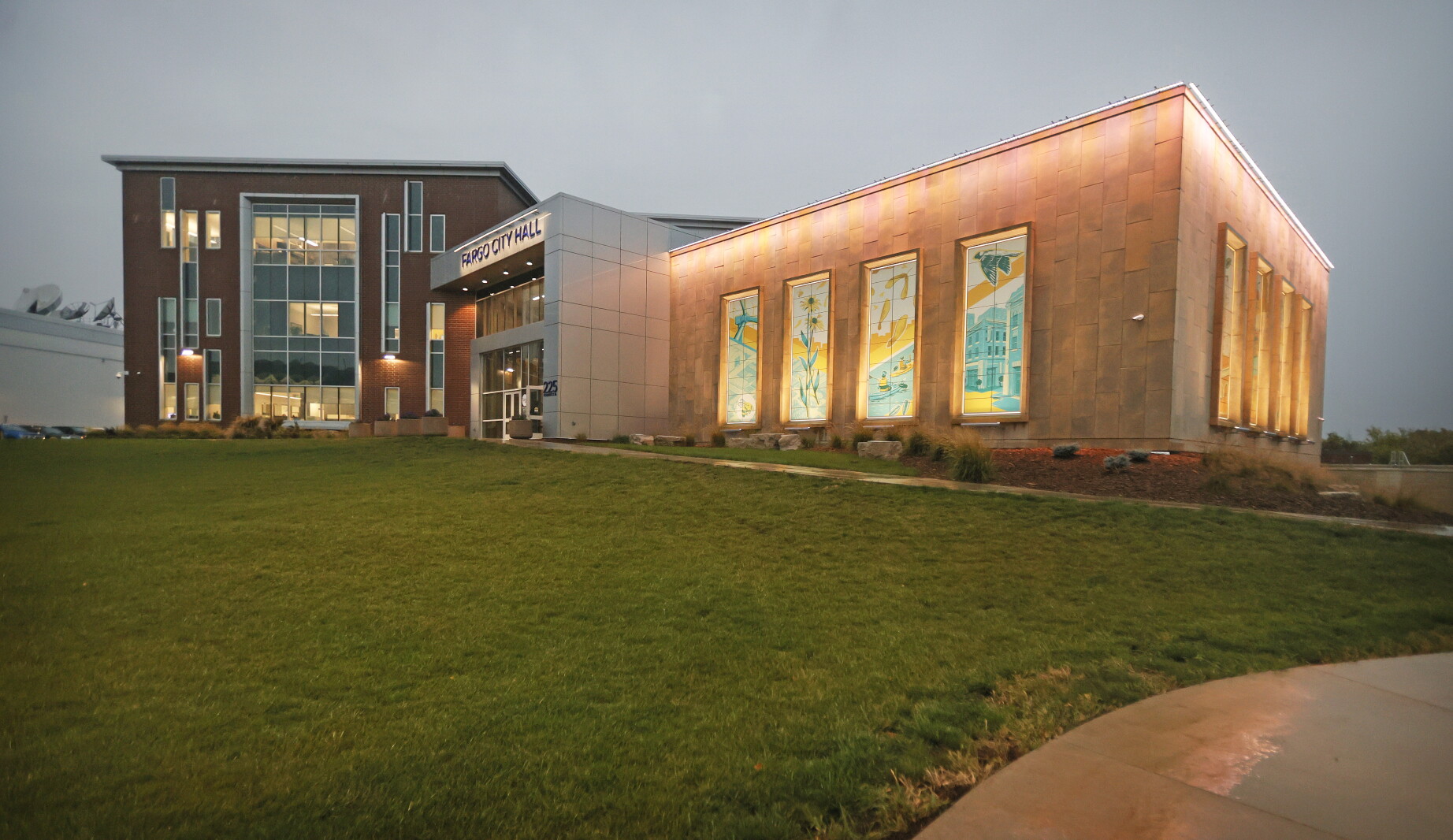
Source: InForum Business. Casualplayhub News adds summary, context, and editorial framing while linking back to the original report.
Fargo is taking a hard look at how tax incentives fit into its evolving vision for growth. On Tuesday, Aug. 25, the city's Economic Development Incentives Committee held a meeting that touched on two major initiatives: the ongoing overhaul of the land development code and a proposed policy designed to breathe new life into older commercial areas. The policy, which was first discussed last year, is now being revived as part of a broader effort to make incentives more strategic and targeted. Rather than offering blanket breaks, the city wants to channel support toward projects that can address specific challenges, such as high vacancy rates or underutilized properties in areas identified as growth priorities. Nicole Crutchfield, director of planning and development for Fargo, explained that the city's 20-year growth plan has been instrumental in shaping this refined approach. "The growth plan integrated that in with what we were forecasting ahead for the next 20 years, on how can we use those incentives, maybe in a reinvigorated way," she said. The idea is to move beyond traditional incentive models and create a framework that encourages redevelopment in a more deliberate, sustainable manner. The first public meeting on the land development code took place Tuesday, and a second is scheduled for Wednesday, Aug. 26, from 8:30 to 10 a.m. at the Sky Commons in the Fargo Civic Center. These sessions give residents and business owners a chance to voice their opinions on how the city should grow and what role tax breaks should play. The code overhaul itself is a complex undertaking, touching on everything from zoning rules to building standards. By tying incentive eligibility to specific geographic areas and conditions, the city hopes to avoid the pitfalls of scattered, uncoordinated development. Instead, the focus is on density, revitalization, and making the most of existing infrastructure. The committee's discussions are part of a larger trend in Fargo, where leaders are increasingly looking to balance rapid expansion with thoughtful planning. As the city continues to attract new residents and businesses, the question of how to use public dollars to spur private investment becomes ever more critical. The proposed incentive policy is not final yet, but it represents a significant shift in how Fargo approaches economic development. Instead of simply offering tax breaks to any project that comes along, the city is trying to be more selective, ensuring that incentives align with long-term goals. The coming weeks will bring more public input and further refinement of both the code and the incentive policy. For now, the conversation is just getting started, and the stakes are high as Fargo charts its course for the next two decades.
Article commentary
Fargo's move to reassess its tax incentive strategy is a timely and pragmatic step in a city that has seen rapid growth over the past decade. The simultaneous overhaul of the land development code and the revival of a commercial redevelopment incentive policy suggest a coordinated effort to link fiscal tools with physical planning. This approach is commendable because it moves away from ad-hoc incentives toward a more systematic framework that prioritizes areas with high vacancy or growth potential. The challenge, however, lies in execution. Defining what constitutes a 'high vacancy' area or a 'target growth zone' can be politically fraught, and there is always the risk that incentives become a tool for favored projects rather than genuine community needs. The public meetings are a crucial part of the process, but they must be more than just a formality; genuine engagement can help ensure that the policy reflects the priorities of residents and small business owners, not just large developers. Another point of interest is the timing. Fargo is rewriting its growth plan at a moment when many cities are grappling with post-pandemic shifts in commercial real estate. The rise of remote work has left many downtowns and strip malls with vacant storefronts, and Fargo's incentive policy could serve as a model for how mid-sized cities can adapt. By linking incentives to redevelopment in older areas, the city is implicitly acknowledging that not all growth needs to happen on the suburban fringe. This could lead to more sustainable urban form, reduced infrastructure costs, and a stronger sense of place. However, the policy's success will depend on its design. If incentives are too generous, they may erode the tax base without delivering lasting benefits. If too restrictive, they may fail to attract any investment at all. Striking the right balance requires careful analysis of market conditions and a willingness to adjust over time. Nicole Crutchfield's comment about using incentives 'in a reinvigorated way' hints at a desire to learn from past mistakes, but the devil is in the details. Overall, Fargo's approach is a positive sign that the city is thinking long-term. The combination of code reform and incentive policy offers a holistic way to shape growth, but it will require sustained political will and community buy-in to succeed. Observers should watch closely as the committee refines its proposals and the public weighs in.