Wembanyama's Hard-Earned Lessons from Serbia Friendlies
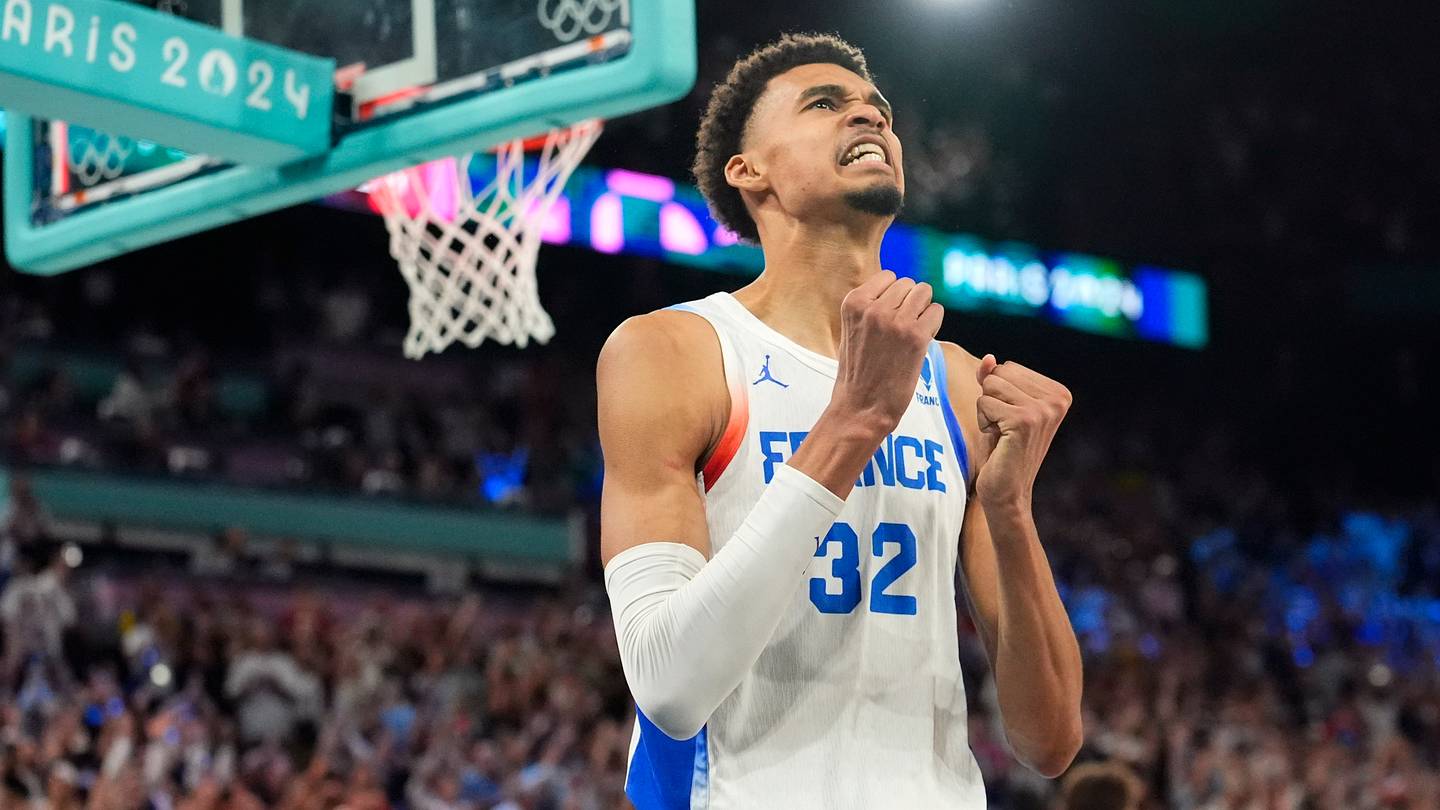
Source: SI NBA. Casualplayhub News adds summary, context, and editorial framing while linking back to the original report.
SAN ANTONIO — Victor Wembanyama acknowledged feeling rusty as he stepped onto the court for France's two friendly matches against Serbia. By the end of the second game, however, he had secured a win, a much-improved individual performance, and a handful of critical lessons to carry into the second World Cup qualifying window. The most valuable takeaways came from matching up with Nikola Jokić, the three-time NBA MVP and a familiar adversary. "You always learn when you play against Jokić," Wembanyama said after the series.
France split the two-game set, losing 90-87 in Belgrade on Aug. 20 before rallying for a 91-90 victory in Orléans on Aug. 23. The winning margin came on a fast-break layup by Jaylen Hoard at the buzzer, after Marko Gudurić had put Serbia ahead with 4.7 seconds left. The late heroics were necessary because France squandered a 19-point halftime lead, allowing Serbia to erase the deficit behind Jokić's dominant 34-point, 13-rebound, five-assist outing. "Today we learned several lessons," Wembanyama reflected. "We have a weakness when we have a 20-point lead. We are a newly assembled roster and don't have our chemistry down."
Wembanyama's own performance improved markedly from the opener. After scoring just nine points and committing six turnovers in Belgrade, the 22-year-old recorded 18 points, two blocks, and a much cleaner game in the rematch. France as a whole cut its turnovers from 22 in the first game to nine in the second, while hitting 26 of 36 free-throw attempts. Les Bleus also got 20 points from Sylvain Francisco and 19 from Timothé Luwawu-Cabarrot.
The series also marked Wembanyama's first games as France's captain, a role he assumed last week, succeeding Rudy Gobert. At 22, he becomes the youngest French captain since Tony Parker in 2003. Coach Frédéric Fauthoux explained the decision: "It was a decision made by the coach and the staff. I think the future belongs to Victor ... there was no point in waiting. The time was right." Before the Orléans game, Wembanyama delivered a clear message to his teammates. "My message in the locker room before tip-off was that we must protect home court and not take any opponent lightly," he said. "It is an exhibition match, but we need to develop championship habits. We learned a few key lessons today."
Jokić, for his part, offered high praise for the young Frenchman after the first game. "He is a special opponent. He is unique as a player and as a person. I don't see him as a rival, and I don't take this personally. He has the opportunity to be the most unique basketball player we've ever seen. To be the best ever."
Wembanyama had not played competitively since the San Antonio Spurs were eliminated in Game 5 of the NBA Finals, which added to the rust he felt. After the first game, he noted the adjustment to the FIBA ball and the team's developing chemistry. By the second game, he was more comfortable. "It's strange to suit up in France again, but honestly, there's nothing easier than coming back and playing big games like this," he told reporters.
The two games were separated by just two points overall, highlighting the competitive nature of the series. More importantly, they provided France with a chance to identify weaknesses before the results count. Les Bleus next host Slovenia on Thursday at Paris' Accor Arena, though Slovenia will be without Luka Dončić, who is attending to family matters. The game tips off at 1:30 p.m. Central on DAZN's Courtside 1891. For Wembanyama and his team, the lessons from the Serbia friendlies are now being applied in real time.
Article commentary
Victor Wembanyama's two-game trial by fire against Nikola Jokić and Serbia offered more than just a split result. It laid bare the challenges facing a young French team still finding its identity, while also showcasing the growth of its new captain. The narrow margins—two points across both games—underscore how evenly matched the two sides were, but the patterns within the games reveal deeper truths. First, France's inability to protect a 19-point lead against a veteran Serbian team is a red flag. Wembanyama himself acknowledged the team's lack of chemistry. With a roster that includes several new faces, the luxury of time is not available. The second World Cup qualifying window is imminent, and France must build cohesion quickly. The fact that they committed 22 turnovers in the opener and only nine in the second game shows progress, but the defensive lapses against Jokić's late-game brilliance remain a concern. The learning curve is steep, and every game matters. Second, Wembanyama's emergence as captain at 22 is a bold move by coach Fauthoux. It signals that the French federation is investing fully in its generational talent. Comparisons to Tony Parker's early captaincy are inevitable, but Wembanyama has a different personality—less vocal, more demonstrative by example. His ability to lead a team that includes NBA veterans will be tested. The fact that he delivered a pre-game message about protecting home court suggests he is embracing the responsibility. However, leadership is forged in adversity, and the blown lead against Serbia will be a defining moment for him. Third, the Jokić-Wembanyama matchup is a fascinating microcosm of the evolution of basketball. Jokić, the master of craft and control, versus Wembanyama, the towering symbol of the sport's future. Jokić's comments about Wembanyama being "the most unique player we've ever seen" are telling. There is mutual respect, but also a recognition that the torch may eventually pass. For now, Jokić remains the benchmark. Wembanyama's improvement from game one to game two—scoring nine points to 18, reducing turnovers—shows he can adapt quickly. That ability to learn and adjust will be crucial as he faces other elite centers in the upcoming qualifiers. Finally, the upcoming game against Slovenia, without Luka Dončić, presents an opportunity for France to build momentum. But it also raises questions about how they will handle adversity. The lessons from Serbia are clear: protect leads, value possessions, and trust the process. For Wembanyama, the journey is just beginning. The combination of his captaincy, his talent, and the learning curve of international basketball will define France's trajectory toward the 2027 World Cup. The next few weeks will be crucial in determining whether this team can gel quickly enough to compete with the world's best. The Serbia series may prove to be the wake-up call they needed.