UCLA: Trent Hendrick Unaffected by Big Ten's NFL Player Ban
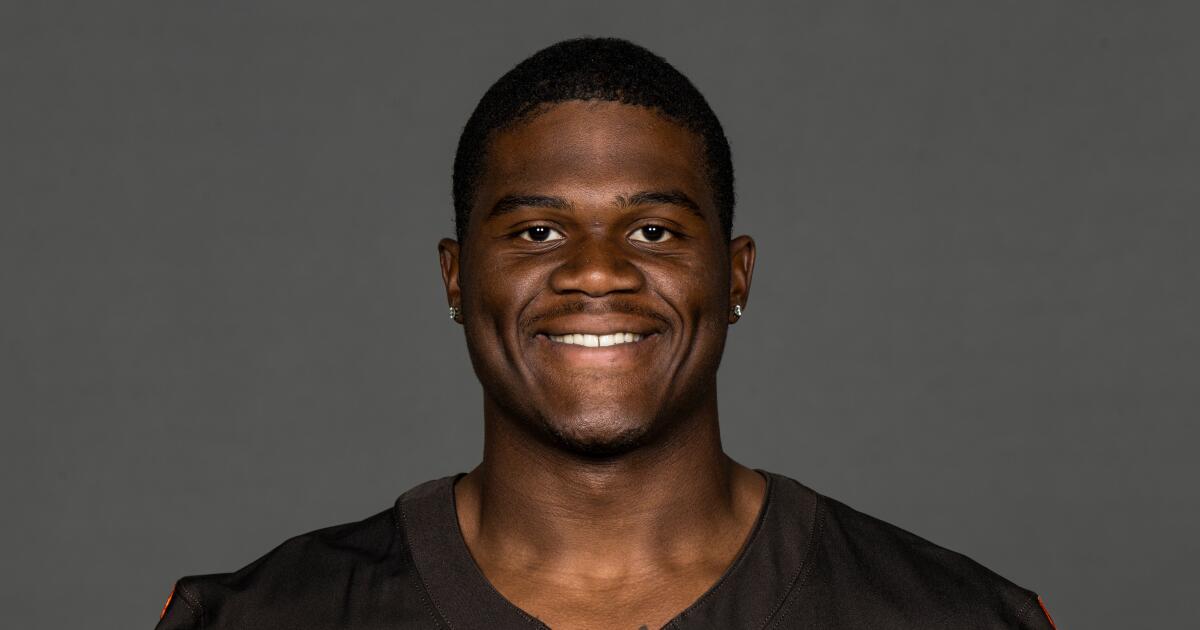
Source: Los Angeles Times Sports. Casualplayhub News adds summary, context, and editorial framing while linking back to the original report.
Ad eligibility review: sensitive-topic
UCLA's athletic department is celebrating what it views as a major coup this week, as Trent Hendrick, the 2025 Sun Belt Player of the Year, participated in Bruins practices on Monday and Tuesday. The star transfer's arrival comes amid heightened scrutiny over a new Big Ten policy that bans NFL player participation in certain capacities, a rule that has caused confusion and concern across the conference. However, UCLA has suggested that Hendrick is not affected by this regulation, signaling a clear path for his integration into the team.
The Big Ten's ban, announced earlier this year, targets players who engage in specific NFL-related activities, such as participating in pre-draft events or signing with agents while still maintaining college eligibility. The policy was designed to preserve amateurism and prevent conflicts of interest, but it has drawn criticism for its broad language and potential to penalize athletes exploring professional options. For UCLA, the rule presented a potential hurdle when Hendrick expressed interest in transferring from the Sun Belt after his standout season. Yet, university officials have indicated that Hendrick's circumstances do not trigger the ban, allowing him to practice and compete without restriction.
Hendrick, who dominated the Sun Belt with his athleticism and versatility, is considered a transformative addition to the Bruins. His performance last season earned him conference player of the year honors, and his decision to join UCLA was seen as a statement of intent for the program. The practices on Monday and Tuesday were his first opportunities to work with the team, and early reports suggest he has adapted quickly to the new environment. Coaches have praised his work ethic and leadership, noting that his presence could elevate the entire squad.
The university's proactive approach in addressing the Big Ten ban reflects a broader trend among programs navigating complex NCAA and conference regulations. UCLA's legal and compliance teams have thoroughly reviewed the policy and concluded that Hendrick's transfer, which occurred before the ban's effective date for certain provisions, falls outside its scope. This interpretation has been shared with the Big Ten office, and no formal challenge has been raised, according to sources familiar with the situation.
While the focus remains on Hendrick's on-field contributions, the policy debate continues to simmer. The Big Ten's ban is part of a larger effort by conferences to define the boundaries between college and professional athletics, especially as players increasingly seek to monetize their talents through name, image, and likeness deals. Critics argue that the rule is overly restrictive and could deter top talent from joining Big Ten schools. Supporters, however, see it as a necessary safeguard to protect the integrity of college sports.
For UCLA, the immediate priority is integrating Hendrick into the lineup and preparing for the season ahead. The Bruins have high hopes for the upcoming campaign, and Hendrick's arrival has injected a dose of optimism. The team's next practice sessions will be closely watched, with fans eager to see how the star transfer meshes with his new teammates. Meanwhile, the Big Ten's policy remains a focal point for league officials, who are monitoring its implementation and potential impact on player movement. As the season progresses, the full implications of the ban—and UCLA's successful navigation of it—will become clearer.
Article commentary
The case of Trent Hendrick and UCLA's interpretation of the Big Ten's NFL player ban offers a fascinating glimpse into the evolving landscape of college athletics. At its core, this situation underscores the tension between conference regulations and player mobility, a dynamic that has become increasingly contentious in recent years. The Big Ten's policy, while aimed at preserving amateurism, raises fundamental questions about how leagues balance control with the growing professionalization of college sports. One key insight is the ambiguity inherent in such bans. The rule's language, which targets NFL-related activities, is broad enough to create uncertainty for players like Hendrick, who may have engaged in activities that technically fall under the ban's umbrella. UCLA's confidence that Hendrick is unaffected suggests either a narrow interpretation of the policy or a specific exemption based on timing. This highlights the importance of legal and compliance expertise within athletic departments, as institutions must navigate a patchwork of rules that can vary by conference and even by sport. From a strategic standpoint, UCLA's move to secure Hendrick despite the ban demonstrates a proactive approach to roster building. The Bruins are clearly willing to test the boundaries of new regulations, betting that their interpretation will hold up. This could set a precedent for other programs facing similar dilemmas, potentially encouraging more aggressive recruitment of players who might be affected by such policies. However, it also risks a backlash from the Big Ten if the league perceives UCLA's actions as undermining the rule's intent. Another dimension is the impact on the player himself. Hendrick's decision to transfer to UCLA likely involved careful consideration of the ban's implications. His ability to practice without restriction suggests that his legal team or advisors successfully navigated the regulatory landscape. For other athletes, this serves as a reminder of the importance of due diligence when moving between conferences with differing rules. The Big Ten's ban, while controversial, may ultimately spur more uniform policies across college sports as leagues look to avoid competitive imbalances. Looking at the broader context, this incident reflects the ongoing struggle to define the relationship between college athletics and the NFL. The Big Ten's ban is just one of many attempts by conferences to assert control over players' professional aspirations. Yet, as the success of name, image, and likeness deals shows, the line between amateur and professional is blurring. The NCAA's recent reforms have empowered players, but conferences retain significant authority to shape their own rules. This creates a fragmented system where athletes face different constraints depending on where they play. UCLA's stance also raises questions about enforcement. The Big Ten has not publicly challenged the university's interpretation, which may indicate either acceptance or a lack of clarity on the rule's application. If other schools follow UCLA's lead, the ban could become ineffective, prompting the conference to revise or strengthen it. Alternatively, the league might issue a formal clarification that narrows or expands the policy's scope. Either way, the Hendrick case will likely be cited in future debates about the balance between conference autonomy and player rights. Finally, this episode highlights the premium placed on top-tier talent in college sports. Hendrick's status as Sun Belt Player of the Year made him a coveted asset, and UCLA's willingness to navigate potential regulatory hurdles shows the lengths programs will go to secure elite players. For the Big Ten, the incident serves as a reminder that rules must be clear and enforceable to maintain credibility. As the season unfolds, all eyes will be on how Hendrick performs—and whether the ban's shadow continues to loom over his eligibility. The broader implications, however, extend far beyond one player, touching on the very future of college athletics governance.