Ricky Morton Recalls Dolly Parton as Childhood Neighbor
Source: Wrestling Inc.. Casualplayhub News adds summary, context, and editorial framing while linking back to the original report.
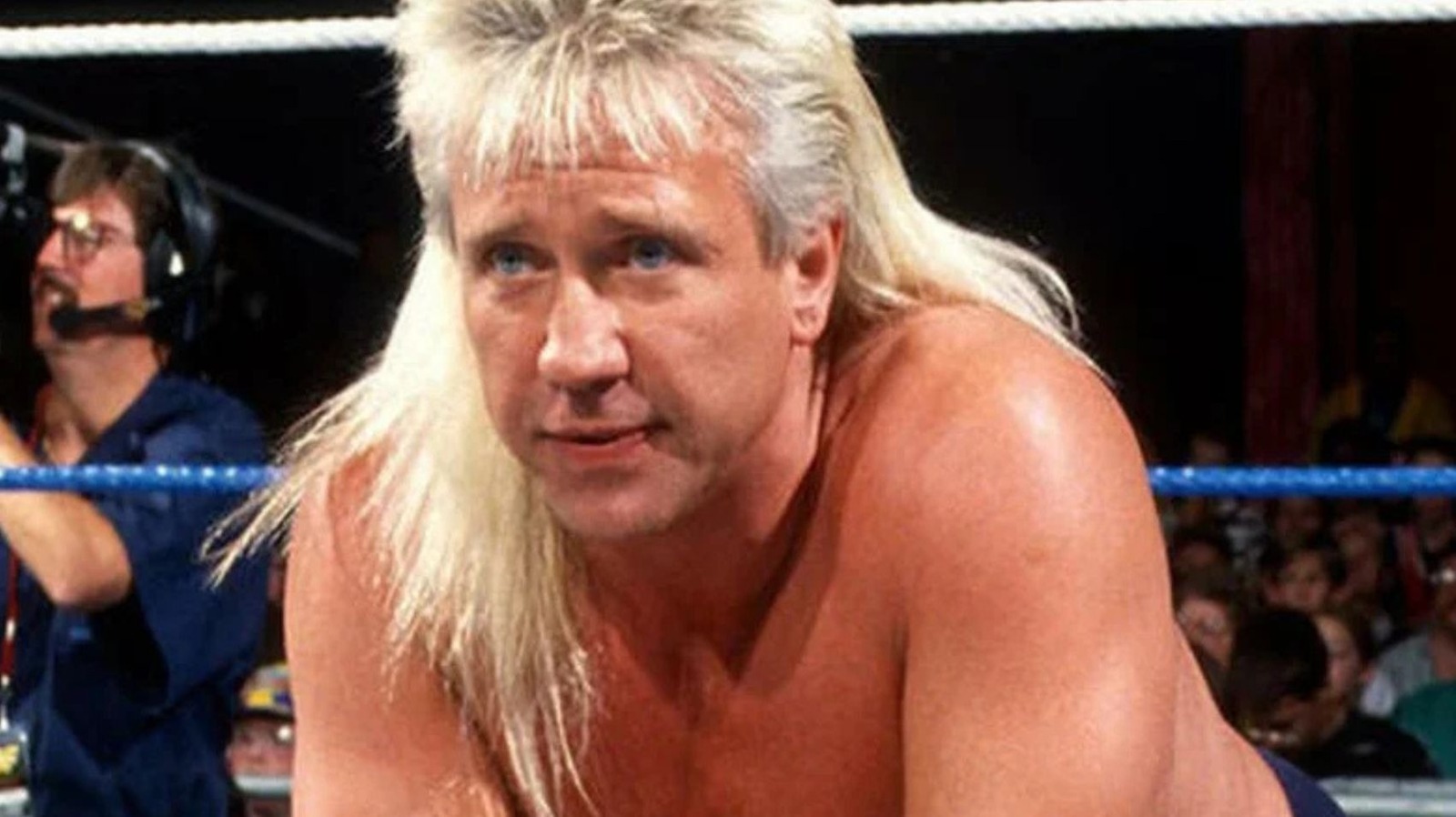
On Tuesday, August 25, 2026, the world lost one of its most beloved entertainers, Dolly Parton. While tributes poured in from across the globe, one stood out for its raw, personal warmth. Ricky Morton, known to wrestling fans as one half of the iconic Rock 'n' Roll Express, shared a heartfelt Facebook post reflecting on his childhood connection with the late singer—a bond rarely glimpsed in the public eye.
Morton, a Tennessee native, wrote that he and his family lived just down the road from Parton in Antioch, a small community outside Nashville. He recalled seeing her riding her bicycle to and from the local store, a simple image that stayed with him for decades. "To the world, she would become a superstar, an icon and a legend. But to us kids in Antioch, she was just Dolly from down the street," Morton wrote. "She was always so kind to little ole Ricky and my brothers. She never made us feel like we were bothering her. She always had a smile and a kind word. Those are the memories that stay with you."
As Morton grew older, he watched Parton's career blossom into the global phenomenon everyone knows. Yet he emphasized that when he first thinks of her, it is not the glittering stage persona or the iconic songs that come to mind. Instead, it is the little girl in Antioch—the neighbor who treated everyone with the same grace that would later define her public image. "It is funny how life works," he wrote. "Sometimes the people who become legends are the same people you remember simply as the kind person from your neighborhood."
Morton ended his tribute by thanking Parton for her kindness to him and his brothers, adding that he felt grateful to have known her. He concluded, "Today, Tennessee lost a piece of its heart. The world lost an incredible woman."
Parton passed away at the age of 80. Her nephew announced the news on her Instagram account, where she had been transparent about her various health struggles in recent years. The announcement sparked an outpouring of grief from fans, fellow musicians, and celebrities, all recalling her generosity, talent, and enduring spirit.
For Morton, this tribute was not just a farewell to a global icon, but a goodbye to a childhood friend who, despite her fame, never lost the down-to-earth quality that defined her earliest days. The Rock 'n' Roll Express star, who has had a storied career in WWE and WCW, demonstrated that the most profound legacies are often built on small, everyday acts of kindness.
Article commentary
Ricky Morton's tribute to Dolly Parton offers a rare and intimate glimpse into the humanity behind two towering figures from vastly different worlds—professional wrestling and country music. What makes this story resonate is not the star power of either individual, but the quiet, universal truth it reveals: that fame and greatness often grow from the same soil as ordinary, neighborly kindness. Morton's recollection of Parton as a girl on a bicycle, smiling and waving, strips away the layers of celebrity that usually obscure the person. In an era where public figures are often reduced to headlines, scandals, or carefully curated social media personas, his memory feels refreshingly authentic. It reminds us that the people we elevate as icons were once just children playing in the same streets, breathing the same air, and sharing the same small acts of decency. This narrative also highlights a unique aspect of Parton's legacy: her ability to remain approachable despite her immense success. Over the decades, she built a reputation for kindness, philanthropy, and genuine connection with her fans and community. Morton's story is a testament to that consistency. The little girl who was kind to her neighbors grew into the woman who donated millions to education, helped fund COVID-19 vaccine research, and supported countless charitable causes—all while maintaining a humble, down-to-earth demeanor. From a journalistic perspective, the story underscores the power of personal anecdotes in shaping public memory. While official obituaries and press releases recount achievements, it is often the small, personal stories that truly capture a person's essence. Morton's tribute does not list Parton's awards or chart-topping hits; it focuses on her smile and her bicycle. That simplicity is what makes it so moving. Moreover, the intersection of two different entertainment industries—wrestling and music—adds an interesting layer. Wrestling, like country music, has deep roots in storytelling and character. Both worlds thrive on larger-than-life personas, but Morton's post reminds us that behind the gimmicks and the stage lights, real people exist with real connections. His willingness to share such a vulnerable, heartfelt memory reflects a broader trend in celebrity culture: the breaking down of barriers between public and private life. Critically, the tribute also serves as a reminder of the importance of place. Antioch, Tennessee, is not Hollywood or Nashville's glittering strip; it is a modest community. Yet it produced one of the most iconic figures in American music. Morton's story roots Parton's legacy in a specific geography, grounding her legend in the soil of rural Tennessee. This is a valuable corrective to the tendency to view celebrities as floating, disconnected figures. Parton's fame was always tied to her origins, and she never let the world forget that. In the end, Morton's words offer a quiet, powerful eulogy. They challenge us to think about what we remember when we remember someone. Is it the accolades, or is it the way they made us feel? For the children of Antioch, Dolly Parton was not a superstar—she was just Dolly. And that, perhaps, is the highest compliment of all.