FBI Warns Sikh Separatist of New Assassination Threat
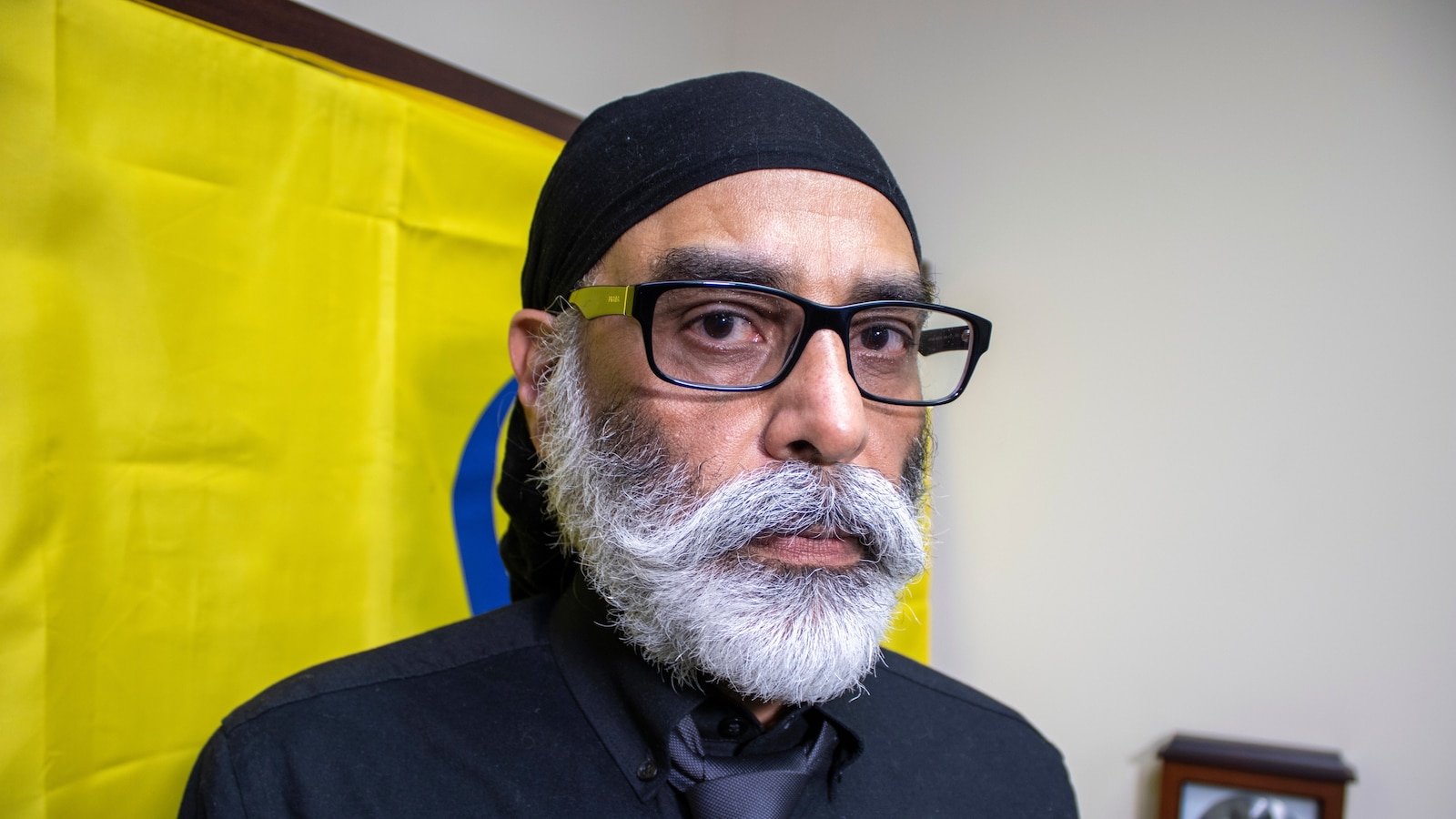
Source: ABC News US. Casualplayhub News adds summary, context, and editorial framing while linking back to the original report.
Ad eligibility review: sensitive-topic
A fresh warning from U.S. and Canadian law enforcement has put a prominent Sikh separatist on high alert. Gurpatwant Singh Pannun, the general counsel for Sikhs For Justice, said Tuesday that the FBI and the Royal Canadian Mounted Police have informed him of a new credible threat to his life. The alert arrives as an Indian national, Nikhil Gupta, is set to be sentenced later this year for a separate plot to kill Pannun in 2023.
Pannun, a dual U.S.-Canadian citizen, recounted that FBI agents visited him last Thursday, delivering a stark advisory: he should not travel until the threat is resolved, and if he must, the agency should be notified in advance. The RCMP followed up with a telephone warning on Tuesday. Neither agency, however, provided specifics about the nature of the uncovered plot. Messages seeking comment from both law enforcement bodies were not immediately returned.
The warning was issued under the U.S. "Duty to Warn" law, which mandates that intelligence and law enforcement agencies inform individuals when they discover credible and specific threats of murder, severe bodily harm, or kidnapping. Pannun noted that similar advisories were given to Hardeep Singh Nijjar, the former head of the Canadian chapter of the Khalistan Referendum, in the weeks before his assassination on June 18, 2023, in Surrey, British Columbia.
This new threat surfaces against the backdrop of an ongoing case involving Nikhil Gupta, who pleaded guilty in February to federal conspiracy charges for plotting to assassinate Pannun in 2023. The FBI has stated that Gupta was directed by an Indian government employee to carry out the killing. In a twist, Gupta unwittingly communicated with an undercover law enforcement officer posing as a hitman. Federal sentencing guidelines recommend at least two decades in prison for Gupta, whose sentencing is scheduled for November 20 in Manhattan federal court.
Pannun, who advocates for the creation of a sovereign Sikh state and is considered a terrorist by the Indian government, remains defiant. In a phone interview Tuesday, he stated he is "unfazed and undaunted" by the attempts to silence him. "I’m not afraid of their death threats," he said, while expressing hope that the administrations of U.S. President Donald Trump and Canadian Prime Minister Mark Carney would confront Indian Prime Minister Narendra Modi over threats to U.S. and Canadian sovereignty. He accused the Modi government of operating under the Trump administration "without fear of any consequences."
Describing himself as a Sikh human rights lawyer, Pannun said his campaign aims to transform Punjab into a place where "all religions will have equal rights." He views the continued threats as a sign that his efforts are working. "I'm going to continue, even at the cost of a bullet," he declared. The situation underscores the escalating tensions between India and the Sikh separatist movement, with implications for international diplomacy and security.
Article commentary
The latest warning to Gurpatwant Singh Pannun from the FBI and RCMP highlights a deepening security crisis that transcends borders. The fact that a second credible threat has emerged while the legal process for the first assassination plot is still unfolding raises serious questions about India’s conduct abroad. The U.S. and Canadian governments are now caught in a delicate balancing act: maintaining diplomatic ties with India, a key strategic partner, while addressing allegations that Indian state actors are orchestrating assassinations on foreign soil. The use of the "Duty to Warn" law is a critical tool, but its repeated application in this case suggests that intelligence agencies are struggling to keep pace with the threats. The parallel to Hardeep Singh Nijjar’s assassination is chilling. Nijjar received similar warnings before his murder, yet the system failed to protect him. This raises a troubling question: what concrete steps are being taken beyond issuing advisories? The lack of detailed information from law enforcement about the new plot only fuels speculation about the scope and sophistication of the threat. Pannun’s defiant stance is understandable, but it also reflects a broader pattern of emboldened separatist figures who see the attention as validation of their cause. His characterization of the Indian government as operating "without fear of consequences" under the Trump administration points to a perceived diplomatic impunity. This could strain relations further, especially as Canada has already been vocal about Indian interference. The upcoming sentencing of Nikhil Gupta will be a pivotal moment. If the court imposes the maximum penalty, it could serve as a deterrent, but it may also deepen tensions between New Delhi and Washington. From a geopolitical perspective, the case underscores the challenge of countering transnational threats in an era of heightened nationalism. India’s designation of Pannun as a terrorist is at odds with the U.S. and Canadian legal systems, which allow him to operate freely. This discrepancy creates a legal gray area that complicates cooperation. The Trump administration’s stance on India, marked by both trade tensions and strategic alignment, adds another layer of complexity. Prime Minister Modi’s government has denied any involvement in assassination plots, but the mounting evidence, including the FBI’s assertion that an Indian government employee directed Gupta, makes it difficult to dismiss the allegations outright. Ultimately, this saga is not just about one man’s safety. It is a test of whether liberal democracies can uphold their values of due process and human rights while navigating the hard realities of international diplomacy. The outcome will set a precedent for how similar cases are handled worldwide. For now, Pannun’s resolve may be unshaken, but the repeated warnings serve as a grim reminder that the threats against him are all too real. The international community must watch closely, as the consequences of inaction could be lethal.