Prem Kumar Nair: Rethinking Longevity Through Clinical Science
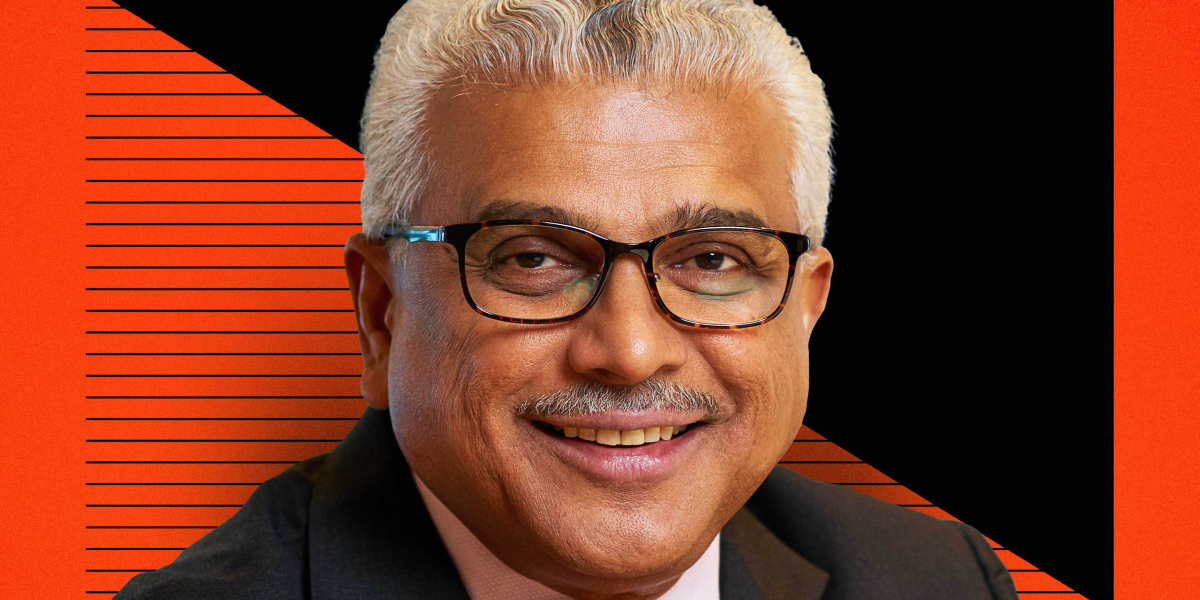
Source: Fortune. Casualplayhub News adds summary, context, and editorial framing while linking back to the original report.
Prem Kumar Nair, the CEO of IHH Healthcare, has a straightforward message for an aging Asia: longevity is worthless if it isn't accompanied by good health. Asia's largest private healthcare group is tackling a demographic shift where people are living longer but not necessarily healthier. As the region's population grows wealthier, indulgence in rich food and wine has fueled a surge in lifestyle diseases such as diabetes, hypertension, and high cholesterol. According to the Asian Development Bank, one in four Asians will be over 65 by 2050. A Stanford study published in April linked population aging to a 33.6% increase in disease burden across several East Asian economies.
IHH responded with Healthspan, a preventive health and longevity program launched in July. Unlike the wellness industry's focus on aesthetics, Healthspan is rooted in clinical science. The program, currently available only in Singapore, targets age-related conditions like sarcopenia through resistance training aimed at preventing falls and fractures. It also incorporates GLP-1 drugs, such as Ozempic and Wegovy, not for cosmetic weight loss but to address obesity-driven arthritis and metabolic disease. Nair envisions expanding Healthspan to IHH's nine other markets, including India, Turkey, and Greater China.
Beyond the program, IHH is building ambulatory care centers in dense, rapidly aging cities like Singapore and Hong Kong. These community-based facilities handle procedures such as endoscopies and knee replacements without requiring hospital admission. For instance, the Parkway MediCentre in Singapore's Woodleigh district offers chronic disease management and specialist consultations. This shift from hospital-centric to embedded neighborhood care reflects a global trend. Nair notes that IHH has transformed from a mega-hospital player into a healthcare ecosystem across all its markets.
IHH was founded in 2010 as a holding company for Malaysian sovereign wealth fund Khazanah Nasional's healthcare assets, including Parkway, Apollo, Pantai, and IMU Health. It went public via a dual IPO in 2012, raising $2 billion, the third-largest listing globally that year after Facebook and Felda. Today, IHH operates 89 hospitals in 10 countries, with 2025 revenue of approximately $6 billion, ranking 58th on Fortune's Southeast Asia 500 list. Its shares have risen over 20% in the past year.
Early growth came through acquisitions, such as India's Globe Healthcare in 2015 and Fortis Healthcare in 2018. But when Nair joined in 2020 after 27 years at Raffles Medical Group, he pivoted to organic growth within existing markets. He added 4,000 beds to IHH's hospitals, arguing that organic expansion leverages existing operational efficiency and avoids the challenges of integrating new entities. He believes investors have questioned the efficiency of M&A-driven growth.
Nair's tenure began amid the COVID-19 pandemic, which he describes as crisis management from the start. IHH dispatched medical staff to Singapore's checkpoints and foreign worker dormitories, which became outbreak epicenters accounting for nearly 90% of cases. The pandemic reinforced his view that public and private sectors must collaborate during health emergencies. In peacetime, they have distinct roles, but during crises, all hands are needed.
IHH's geographic diversification buffers against market volatility. When Turkey faced macroeconomic issues, other markets like Malaysia and Singapore bolstered performance. While Nair considers expanding into adjacent countries, no concrete plans exist. He notes that competitors like Thompson and Raffles Medical have entered Vietnam, and IHH is eyeing Indonesia, which has relaxed regulations allowing foreign ownership of hospitals and foreign doctors to practice.
After four decades in healthcare, Nair observes a shift in medical specialties. Cardiology once dominated, but declining cardiovascular mortality rates (down 26% in Asia from 1990 to 2021) have made cancer the leading subspecialty. IHH is investing heavily in cancer testing, genomic medicine, and precision medicine. In 2019, it led a $20 million Series A round for Lucence, a Singapore-based firm developing liquid biopsies that detect over ten cancer types early. IHH also invests in proton therapy machines for precise radiation treatment of complex cancers.
IHH Catalyst, launched in February, connects healthcare entrepreneurs with clinicians and operational leaders to nurture startups. The inaugural edition in India focused on oncology, chronic disease management, and preventive care. The initiative will soon expand to North Asia, led by Gleneagles Hong Kong and Parkway Shanghai.
Artificial intelligence is another priority. IHH's data and digital department became an AI transformation team, developing solutions like NurseShift.ai, which automates hospital rostering and won a Singapore Ministry of Health innovation award. The system is rolling out to Malaysia and Hong Kong. Another project builds AI-enabled clinical pathways that analyze patient symptoms and risk factors to suggest treatment plans, which doctors can review and approve. Nair believes AI can reduce resource wastage caused by variation in medical practices. However, he stresses that human judgment remains essential, as patients' profiles differ and exceptions must be allowed.
Nair concludes that healthcare's complexity demands both innovation and clinical consensus. IHH's approach balances cutting-edge technology with the irreplaceable human touch.
Article commentary
Prem Kumar Nair's vision for IHH Healthcare reflects a pragmatic response to Asia's demographic and economic transformation. The shift from a hospital-centric model to a healthcare ecosystem, combined with a focus on preventive longevity, addresses a critical gap in the region's healthcare systems. As populations age and lifestyle diseases proliferate, the traditional reactive model of treating illness becomes unsustainable. IHH's Healthspan program, with its clinical foundation, offers a template for how private healthcare providers can move beyond aesthetics to deliver measurable health outcomes. The emphasis on GLP-1 drugs for metabolic health, rather than cosmetic weight loss, is particularly noteworthy, as it aligns with emerging medical consensus on managing obesity-related conditions. Nair's strategic pivot from acquisitions to organic growth is a calculated risk. While IHH's early expansion through M&A built scale, the integration challenges and investor skepticism about efficiency are valid concerns. Organic growth within existing markets allows IHH to leverage established infrastructure and local expertise, but it may limit the speed of expansion compared to competitors who continue to acquire. The company's diversification across multiple countries provides a buffer against economic volatility, as seen during Turkey's inflation crisis. However, this also exposes IHH to regulatory and political risks in diverse jurisdictions. IHH's investment in AI and genomics is forward-looking, but the tangible benefits remain to be fully realized. NurseShift.ai is a clear success, automating a time-consuming administrative task. The AI clinical pathways project, while promising, must navigate the delicate balance between standardization and clinical judgment. Nair's insistence on human oversight is wise, given the complexity of patient care. The healthcare industry has seen many AI initiatives fail due to lack of clinician buy-in or integration challenges. Nair's leadership during the COVID-19 pandemic demonstrated the importance of public-private collaboration. His experience shaped his view that private players like IHH have a role in crisis response, a perspective that could influence future health emergency planning in Asia. The move toward community-based ambulatory care centers reflects a global trend, but its success depends on whether patients and insurers embrace the shift from hospital-centric care. Looking ahead, IHH faces stiff competition from other regional players like Raffles Medical and Thompson. The potential expansion into Indonesia and Vietnam offers growth opportunities, but these markets have their own regulatory hurdles and competitive landscapes. Nair's focus on oncology and precision medicine positions IHH well for the future, as cancer becomes the leading disease burden. However, the high cost of genomic testing and proton therapy may limit accessibility, raising questions about equity in healthcare. Overall, Nair's strategy is a thoughtful blend of innovation and operational discipline, but its execution will determine whether IHH can maintain its leadership in Asia's evolving healthcare landscape.