Padres Coach Released from ICE Custody After Week in Detention
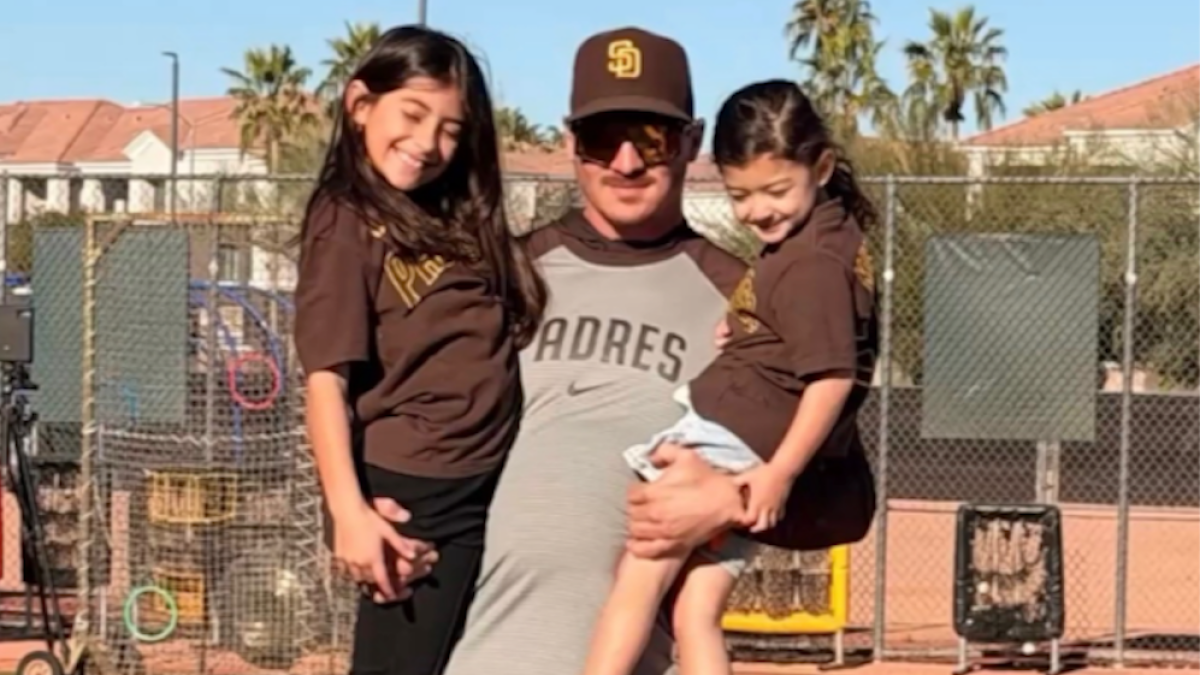
Source: NBC 5 Dallas-Fort Worth Sports. Casualplayhub News adds summary, context, and editorial framing while linking back to the original report.
Oswaldo Pirela, a minor league catching coordinator for the San Diego Padres, walked free from federal custody this week after spending more than seven days detained by immigration authorities. Pirela, 34, was taken into custody by U.S. Border Patrol agents at El Paso International Airport earlier this month while traveling for work. He was released on bond, and online federal detainee records no longer show him in custody. His family members have confirmed to news outlets that he has returned home to his family in Arizona.
Pirela, a native of Venezuela, came to the United States in 2014 legally under a program approved by the Obama administration. That permission allowed him to remain in the country until February 10, 2018. A spokesperson for the U.S. Department of Homeland Security stated that after that date, Pirela overstayed his welcome and was subsequently arrested when authorities discovered he lacked proper legal documentation. His family maintains that he has a pending asylum case and holds a valid work permit, which they argue should have protected him from detention.
The Padres organization issued a brief statement on Tuesday expressing relief. We are pleased that Oswaldo Pirela has been released on bond and reunited with his family. Out of respect for his privacy and the ongoing matter, we will have no further comment at this time, the team said. The statement came after days of public attention on the case, which drew scrutiny from immigration advocates and baseball fans alike.
Pirela's baseball career began in the Dominican Summer League, where he played for the Texas Rangers organization from 2009 to 2011. He later transitioned into coaching, joining the Padres minor league system as a catching coordinator in 2024. His detention at an airport in El Paso, Texas, while on a work-related trip, stunned his colleagues and raised questions about how immigration enforcement intersects with the lives of professional sports personnel.
Family members have described Pirela as a dedicated father and husband who has been living and working in the United States for years. His case is not isolated; it reflects a broader pattern of immigration enforcement actions that sometimes target individuals with ongoing legal proceedings. The pending asylum case adds a layer of complexity, as immigration courts often take years to process such claims, leaving applicants in a legal gray area.
The release of Pirela on bond does not resolve his underlying immigration status. He still faces potential removal proceedings, and his asylum case will continue to move through the legal system. For now, he is able to resume his coaching duties with the Padres, but the uncertainty surrounding his future remains. The team has not commented on whether he will travel again for work, given the risk of further detention.
This incident has sparked conversations about the treatment of immigrants in the sports industry, where many players and coaches come from abroad to pursue careers. Major League Baseball has long relied on talent from Latin America, and cases like Pirela's highlight the vulnerabilities that even those with work permits and pending asylum cases can face. The Padres and the league have not announced any policy changes, but the case has prompted calls for clearer guidelines on how immigration laws apply to team personnel.
Pirela's return home is a relief for his family and colleagues, but the legal battle is far from over. His story serves as a reminder of the human impact behind immigration enforcement statistics, and the often precarious position of immigrants who contribute to American society and culture through their work.
Article commentary
The release of Oswaldo Pirela from ICE custody after a week of detention brings a measure of relief, but it also underscores the precarious position of many immigrants working in professional sports. Pirela, a Venezuelan-born minor league coach for the San Diego Padres, was arrested at El Paso International Airport while on a work trip. His case is not simply about one man's legal status; it reveals a deeper tension between the United States immigration system and the globalized nature of baseball. Pirela entered the country legally in 2014 under an Obama-era program, but that permission expired in 2018. He overstayed, yet he had a pending asylum case and a valid work permit. This is a common scenario: many immigrants live in a bureaucratic limbo, waiting years for their cases to be adjudicated. The Department of Homeland Security's statement that he overstayed his welcome frames the issue as a straightforward violation, but it ignores the reality that asylum seekers often have no choice but to remain while their claims are processed. The system moves slowly, and individuals like Pirela are caught in the gap. From a legal perspective, his detention was lawful under current immigration law. However, the optics of detaining a coach for a Major League Baseball affiliate while he was traveling for work raise questions about proportionality and discretion. Enforcement actions at airports, especially for individuals with pending asylum cases, can seem arbitrary and harsh. The Padres released a measured statement, expressing pleasure at his release but declining to comment further. This is typical for organizations that want to avoid legal entanglements, but it also leaves the impression that the team is not fully engaged in advocating for its employees. The broader context is that Major League Baseball relies heavily on talent from Latin America. Players, coaches, and scouts from countries like Venezuela, the Dominican Republic, and Mexico are essential to the sport's ecosystem. Yet these individuals often face daunting immigration hurdles. Pirela's case is a reminder that even those with work permits and ongoing legal proceedings are not immune to detention. The emotional toll on his family, who had to navigate the uncertainty of his detention, is significant. There is also a humanitarian dimension. Pirela has been living and working in the United States for years, contributing to the sport and supporting his family. His detention separated him from his loved ones and disrupted his professional life. The bond system allowed his release, but it does not remove the underlying threat of deportation. The asylum case continues, and he could be detained again if he travels or if his case takes a negative turn. Objectively, the case highlights the need for immigration reform that addresses the backlog in asylum courts and provides clearer pathways for long-term residents with pending cases. It also shows the importance of employer advocacy. The Padres, while expressing relief, could have done more to push for his release. The lack of public pressure from the team may reflect a desire to avoid controversy, but it also fails to protect a valued employee. In the end, Pirela's story is a microcosm of a larger issue. The United States immigration system is complex and often unforgiving, and those who work in professional sports are not exempt. His release is a positive outcome, but it should not obscure the need for systemic changes that would prevent such detentions in the first place. The baseball community, fans, and advocates should take note and push for policies that recognize the contributions of immigrant workers while respecting the rule of law.