Cal Raleigh's Historic Homers: Four in a Row Ties Mariners' Mark
Source: ABC News Sports. Casualplayhub News adds summary, context, and editorial framing while linking back to the original report.
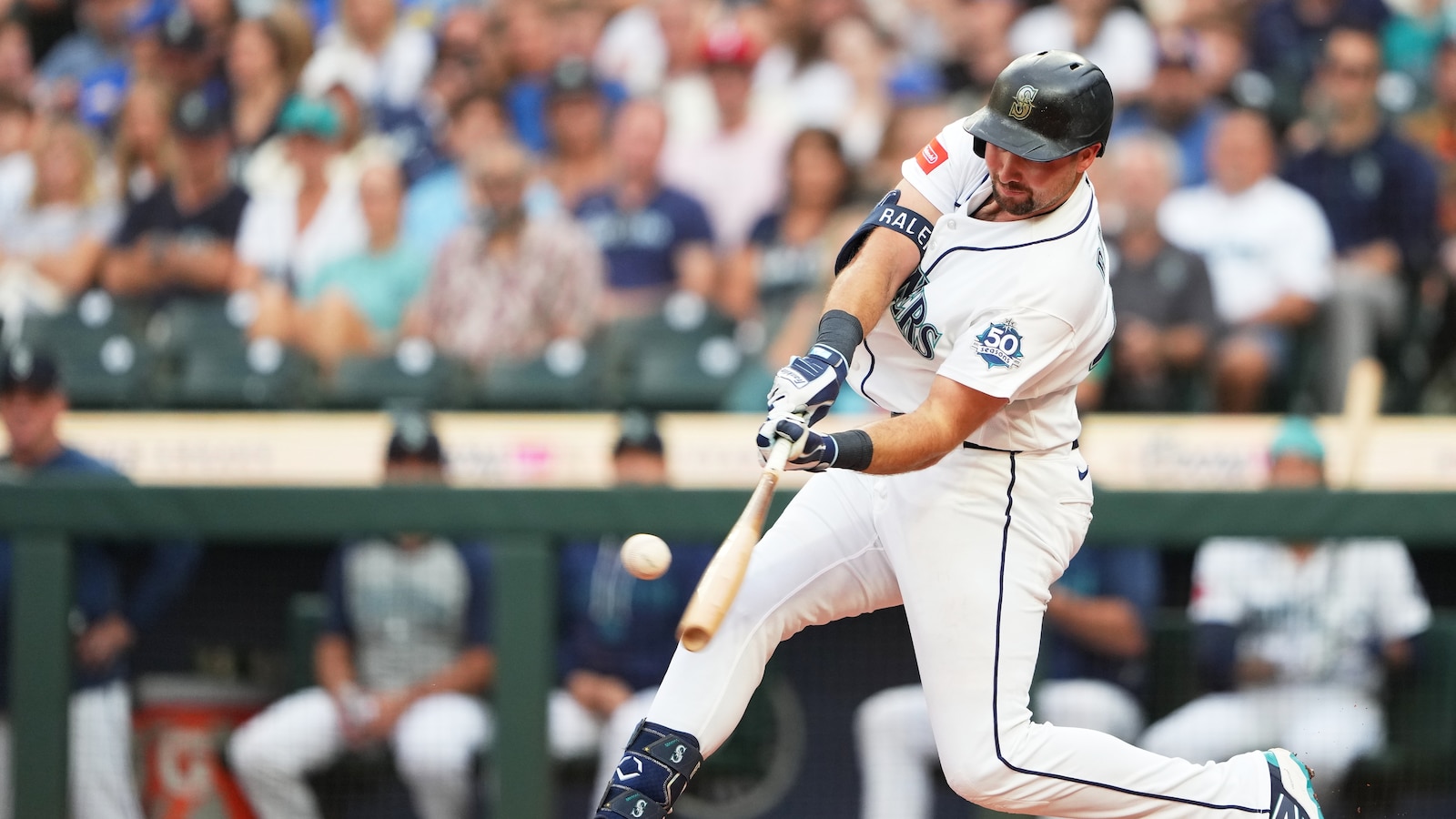
Cal Raleigh, the Seattle Mariners' switch-hitting catcher, etched his name into franchise history Tuesday night. Leading off the second inning against Philadelphia Phillies ace Aaron Nola, he sent a 362-foot pitch soaring over the right-field wall, his 18th homer of the season. That blast marked his fourth consecutive at-bat with a home run, matching the club record set by Mike Cameron on May 2, 2002. The streak began in Monday's 9-2 victory, when Raleigh went deep three times. He then walked in the fourth inning, and the streak ended with a strikeout in the sixth. The Mariners prevailed 4-1, securing a series win. Raleigh's power surge came as a remarkable turnaround. After finishing runner-up for the AL MVP last year with 60 home runs, he had struggled mightily, entering the series with a .159 batting average and just 14 homers. Monday's performance—3-for-3 with a walk between his first and second homers—signaled a potential breakout. The team record for homers over a two-game span is five, set by Edgar Martinez on May 17-18, 1999. The last Seattle player to hit four homers across two consecutive games was Kenji Johjima on June 24-27, 2006. Raleigh's feat underscores both his raw power and the resilience of a player who had battled through a season-long slump.
Article commentary
Cal Raleigh's four consecutive home runs—tied with Mike Cameron for the Mariners' record—offer a fascinating lens into the volatility of power hitting in Major League Baseball. The streak, spanning two games against the Phillies, stands out not just for its rarity but for the context of Raleigh's season. After a 60-homer campaign that nearly earned him the AL MVP, he entered the series hitting .159 with 14 homers, a dramatic drop-off that raised questions about his consistency. Yet his sudden outburst against a pitcher of Aaron Nola's caliber demonstrates that elite power is never truly gone; it can resurface in a flash. The record itself is a reminder of baseball's history: Cameron's four-homer game in 2002 remains one of the most iconic single-game performances, while Martinez's five-homer two-game span in 1999 underscores the Mariners' rich offensive tradition. Raleigh's streak, while not a single-game feat, mirrors the kind of sustained power that defines sluggers. Critical to this analysis is the streak's end—a walk and a strikeout—highlighting the fine line between history and routine. For Raleigh, this could be a turning point. A player who has shown he can carry a team when hot, he now faces the challenge of sustaining this momentum. The Mariners, fighting for a playoff spot, will hope this is the spark that revives his season. Objectively, the streak is a testament to the unpredictability of baseball: a cold hitter can suddenly become red-hot, and records can be tied in the span of a few at-bats. For fans and analysts, it's a reminder that even in a sport driven by data, moments of pure, unscripted power still captivate.