Murphy benches rookie Pratt for failing to hustle in 10-inning loss
Source: ABC News Sports. Casualplayhub News adds summary, context, and editorial framing while linking back to the original report.
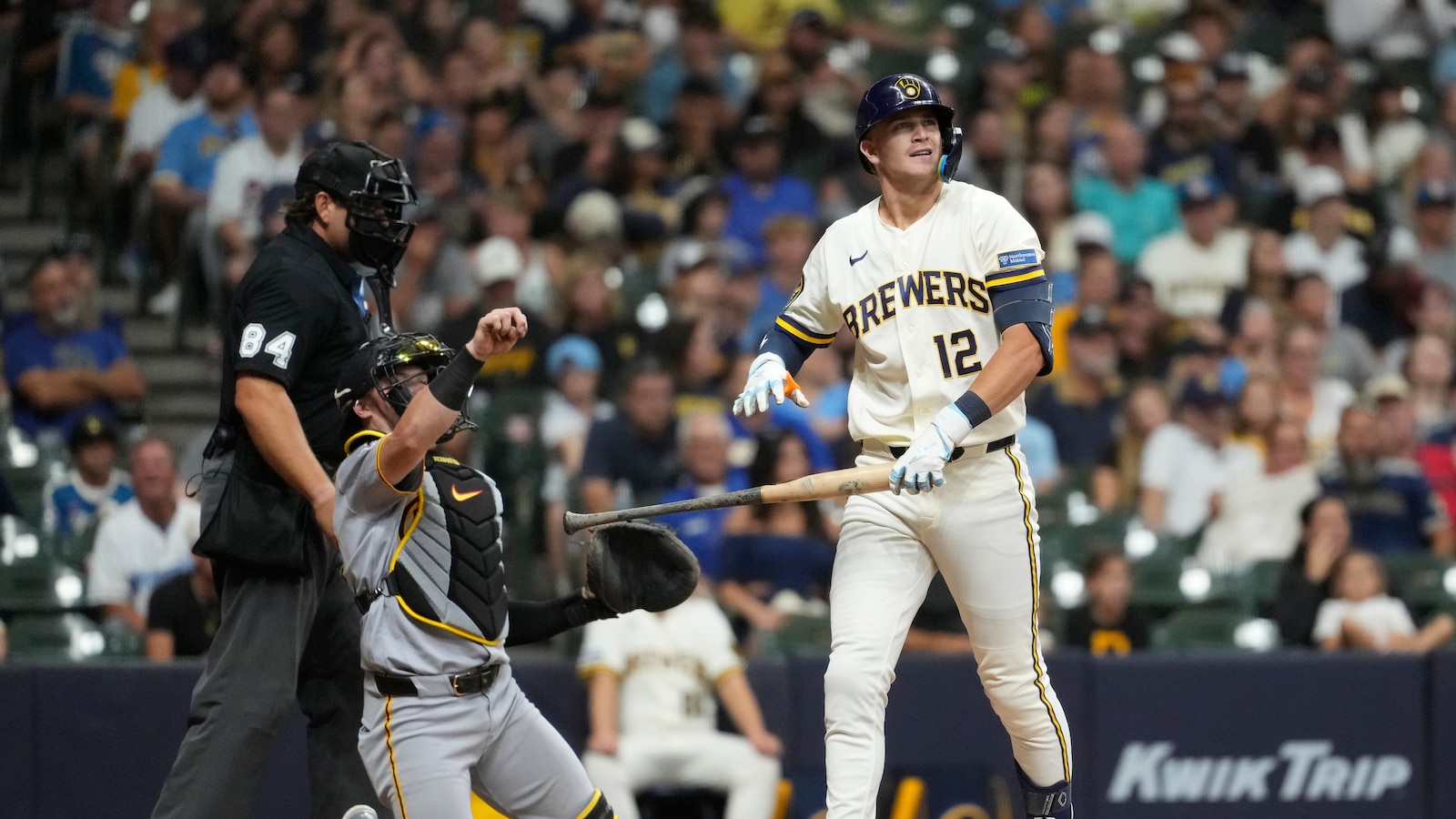
NEW YORK — The Milwaukee Brewers’ 3-2, extra-inning loss to the New York Mets on Tuesday night was overshadowed by a moment of discipline from manager Pat Murphy. Rookie shortstop Cooper Pratt was benched after failing to execute a bunt and then showing a lack of hustle on a bloop single, a sequence that led Murphy to send a blunt message to both his young player and the entire clubhouse.
Pratt, batting ninth, was asked to sacrifice after Garrett Mitchell and Joey Ortiz opened the third inning with singles against Mets starter Zac Thornton. On the first pitch, Pratt fouled off a bunt attempt. On the second pitch, a fastball down the middle, he pulled the bat back — a decision that drew Murphy’s ire. "We asked him to get a bunt down, pulled back on a strike, and that happens, maybe," Murphy said. "Trying to get a guy second and third for Jackson Chourio in a game where we weren’t swinging it too good." With two strikes, Pratt fouled off two more pitches before hitting a comebacker to Thornton, who fired to third to force Mitchell. Thornton then retired Chourio and Brice Turang to escape the jam.
Murphy’s frustration escalated in the fifth inning. With one out, Pratt hit a flyball to shallow right field. He paused in the batter’s box, looking skyward, before jogging to first base. The ball dropped between three Mets near the line and briefly rolled past right fielder Carson Benge. Pratt accelerated momentarily while rounding first, then returned to the bag. Murphy immediately pulled him for pinch-runner David Hamilton. "No excuses. I should have been running hard, no matter if it is foul or fair," Pratt said. "I should have been hustling to get to second base."
Pratt, who turned 22 last week, made his major league debut on June 16, about two and a half months after the Brewers signed him to an eight-year, $50.75 million contract. The shortstop prospect, selected in the sixth round of the 2023 amateur draft, has hit .259 with two home runs, 18 RBIs and 10 stolen bases in 49 games. The Brewers, with the best record in the majors at 81-51, are chasing a fourth straight NL Central title.
Murphy did not mince words. "I love the kid and I believe in the kid immensely, but he’s got to be a player that does those things," he said. "It’s just not tolerated. By anybody. It sends a message to everybody else, too — you’ve got to run." Television cameras captured Pratt looking surprised as he left the field, then talking in the dugout with veteran teammate Sal Frelick. "There’s a certain way to play here and I may be new, but it doesn’t matter," Pratt said. "It’s the way we’re right through the organization from rookie ball to the big leagues. And I didn’t do that. And I will do that. No excuses."
Murphy, a two-time National League Manager of the Year, emphasized that the incident was not about laziness but about focus. "He’s a great kid — it’s not laziness," Murphy said. "You’ve got to have your head in the game. Because there’s games like today, it comes down to Francisco Lindor’s great catch or whatever it might be, an errant throw or whatever. You’ve got to be locked in if you’re going to play at this level. So hopefully, a good learning experience."
The lesson came at a cost: Hamilton, who replaced Pratt, later committed a walk-off throwing error at third base in the 10th inning, sealing the Mets’ win. But for Murphy, the message was about more than one game. It was about upholding the standards that have made the Brewers a perennial contender.
Article commentary
Pat Murphy’s decision to bench rookie Cooper Pratt in the middle of a tight game is a classic example of a manager using discipline to reinforce organizational culture. The Brewers, boasting the best record in baseball, are in the midst of a playoff push. Murphy’s move sends a clear signal: no player, regardless of contract size or potential, is above the fundamental expectations of effort and execution. From a developmental standpoint, the timing matters. Pratt is a highly touted prospect who signed a $50.75 million deal before even reaching the majors. Such a contract often brings external pressure, but it also places a target on a young player’s back. Murphy’s benching serves as a humbling reminder that money and draft status do not earn a player special treatment. This is particularly important for a team like the Brewers, which has built its success on consistent, disciplined play rather than star power. The incident also highlights the delicate balance between holding players accountable and maintaining their confidence. Pratt’s immediate acknowledgment of his mistake — “No excuses” — suggests he understands the lesson. However, how he responds over the coming weeks will be crucial. The Brewers’ culture, as articulated by Murphy, emphasizes that every at-bat and every play matters. For a rookie, this kind of public reprimand could either be a catalyst for growth or a source of lingering doubt. The team’s veteran presence, including Sal Frelick, who was seen talking to Pratt in the dugout, will be key in helping him move forward. Murphy’s approach also has implications beyond Pratt. The rest of the roster sees that the manager is willing to bench a highly paid rookie for a lack of hustle. This reinforces the idea that the Brewers’ standards are non-negotiable, which can strengthen team cohesion. In a sport where effort is often the difference between a win and a loss, such a message can be a unifying force. The fact that the benching occurred in a close game against a division rival in a key series adds weight to the decision. From a broader perspective, this episode reflects a shift in modern baseball culture. While analytics and strategy dominate, the old-school emphasis on hustle and fundamentals remains a cornerstone of successful teams. The Brewers, under Murphy, have managed to blend analytical approaches with a demanding, no-nonsense attitude. The 2026 season, with the Brewers leading the NL Central, shows that this formula works. Looking ahead, the key question is whether Pratt will internalize this lesson. His raw talent is evident, but sustained success at the major league level requires consistent effort and focus. The Brewers’ playoff hopes may depend on players like Pratt contributing in high-pressure situations. If Murphy’s discipline helps Pratt develop into a more complete player, the short-term cost of a single loss will be a long-term gain. For now, the message is clear: in Milwaukee, winning baseball requires not just skill, but relentless effort.