Rockets Swap Two-Way Slot, Add Center Rafael Castro
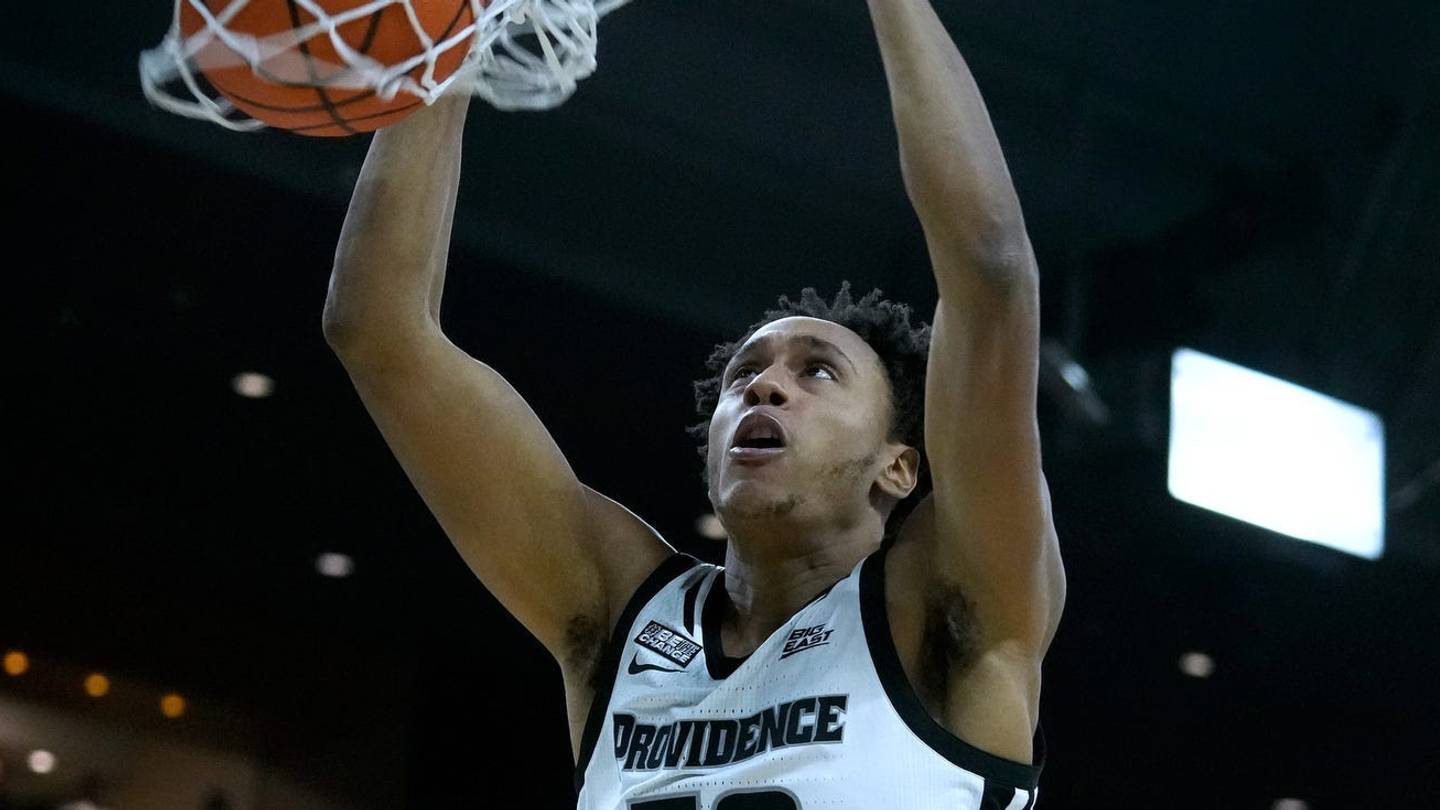
Source: SI NBA. Casualplayhub News adds summary, context, and editorial framing while linking back to the original report.
Ad eligibility review: sensitive-topic
The Houston Rockets have made a late-summer tweak to their roster depth, swapping out one of their two-way contract slots as the countdown to training camp begins. Just over a month before camp opens, the team replaced guard Tristen Newton with center Rafael Castro, a move that signals a focus on frontcourt reinforcement. Castro, a 6-foot-10 big man, went undrafted in June after playing for Providence College and then George Washington University. He spent the summer competing in the NBA Summer League with the Milwaukee Bucks, appearing in games in both California and Las Vegas. While his collegiate numbers show an average of 14.6 points over his final two seasons, his reputation is built on defense. Castro earned a spot on two All-Defensive Teams in the Atlantic 10 Conference, showcasing his shot-blocking and rebounding instincts. Born in New Jersey and of Dominican heritage, he now joins a Rockets organization that values versatility and defensive grit. Castro becomes the third two-way player on Houston's roster, alongside point guards Quadir Copeland, who came out of North Carolina State, and Sam Pedulla, who played at Virginia Tech and Ole Miss. Pedulla brings notable credentials: he was named the G-League Rookie of the Year last season, posting averages of nearly 24 points, seven assists, and five rebounds. The Rockets recently signed Pedulla and parted ways with JD Davison, who had been with the team the prior season. Two-way players are allowed to suit up for up to 50 games with the parent club before needing to be converted to standard NBA contracts or be released. It is likely that all three will spend time with the Rio Grande Valley Vipers, Houston's G-League affiliate, if they remain with the organization through training camp. The Rockets' core rotation is largely solidified, even as the front office has intentionally left the 15th standard roster spot open. This vacancy is a strategic move for salary-cap flexibility and tax considerations, while also keeping the team nimble to pounce on veteran options that may become available as the season unfolds. The offseason has already brought significant reinforcements: Fred Van Vleet and Steven Adams are back from injury, Marcus Smart was acquired in free agency, and rookie Bruce Thornton—a potential second-round steal—impressed during summer league. However, the path to playing time for the two-way players is narrow. Castro will have to wait behind Alperen Sengun, Adams, and the returning Clint Capela, as the Rockets look to develop his offensive game. The backcourt is even more crowded, with Van Vleet, Smart, and Reed Sheppard expected to handle the bulk of ball-handling duties. If Copeland or Pedulla see significant minutes in the regular season, it would likely mean injuries or unexpected roster shuffling. As the Rockets aim to close the gap on divisional rivals like San Antonio, Oklahoma City, and Minnesota, consolidation trades remain a possibility. These moves could open brief windows for younger players at the tail end of the roster. For now, the team is betting on Castro's defensive upside and Pedulla's G-League production to add depth, while keeping a watchful eye on the market for veteran upgrades.
Article commentary
The Houston Rockets' decision to swap out a two-way guard for an undrafted center is a classic late-offseason roster move, but it speaks to the team's broader strategic priorities. By replacing Tristen Newton with Rafael Castro, Houston is shoring up its frontcourt depth, a position that already features Alperen Sengun, Steven Adams, and Clint Capela. This suggests the Rockets see Castro primarily as a long-term developmental project, someone who can soak up minutes in the G-League and potentially emerge as a defensive specialist. Castro's strength on the defensive end—evidenced by his two All-Atlantic 10 defensive selections—aligns with the modern NBA's emphasis on switchable bigs. However, his offensive game remains raw, and he will need to show significant growth to earn a regular spot in the rotation. The timing of the move is also telling. With training camp roughly a month away, the Rockets are fine-tuning the margins of their roster while leaving the 15th standard slot open for tax flexibility and potential veteran additions. This approach reflects a front office that is playing the long game: they are not desperate to fill the final spot now, preferring to wait for a buyout candidate or trade opportunity. The addition of Sam Pedulla, last season's G-League Rookie of the Year, adds a proven scorer to the two-way ranks, but he and Quadir Copeland face a monumental challenge in breaking into a backcourt led by Fred Van Vleet, Marcus Smart, and Reed Sheppard. The depth chart is so stacked that any significant minutes for either player would likely signal an injury crisis. What is most interesting is the Rockets' balancing act between win-now ambitions and youth development. The returns of Van Vleet and Adams, along with the signing of Smart, show a clear desire to compete in a tough Western Conference. Yet the team also drafted Bruce Thornton, kept young players like Sengun and Jabari Smith Jr., and now added Castro—a raw but promising defender. This dual-track strategy is sensible but risky. If the veterans stay healthy, the two-way players may never see the floor, stunting their growth. Conversely, relying on youngsters in a playoff push could backfire. The Rockets are likely hoping that Castro develops into a reliable rotation player by the time Adams' contract ends or if Capela is traded. The G-League will be his proving ground. For now, the move is a low-risk bet on upside, but it underscores how even the deepest teams are constantly looking for marginal gains. The 15th roster spot remains the wild card, and Houston's patience could pay off if a veteran becomes available mid-season. In a conference where every possession matters, the Rockets are hedging their bets—and Castro is the latest chip on the table.