WWE's Triple H Honors Motörhead's 50-Year Legacy
Source: Wrestling Inc.. Casualplayhub News adds summary, context, and editorial framing while linking back to the original report.
WWE COO Paul "Triple H" Levesque marked the 50th anniversary of the iconic rock band Motörhead with a heartfelt Instagram post on Wednesday. The post featured a photo of Levesque holding new Motörhead anniversary merchandise, paired with the caption: "Born to lose. Live to win. 50 years of @officialmotorhead." It was a simple yet powerful nod to a band that has been woven into the fabric of his wrestling career and personal life.
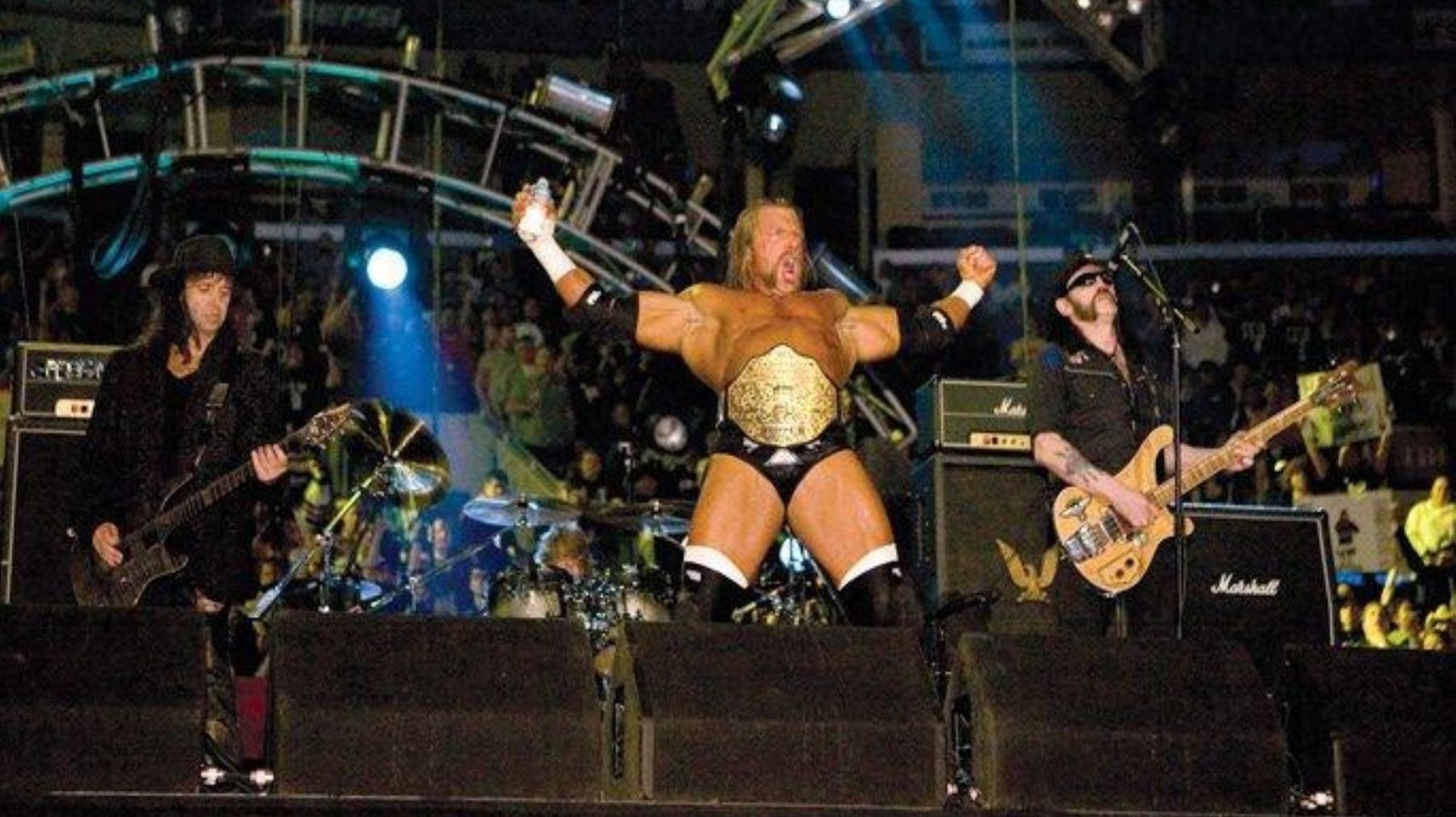
Motörhead’s connection to Levesque runs deep. The band crafted three of his most famous entrance themes: "The Game," "King of Kings," and "Evolution." These tracks became synonymous with his presence, thundering through arenas as he made his way to the ring. The collaborations weren’t just studio recordings; Motörhead performed live for Levesque at two of the biggest WrestleMania events: WrestleMania 17 in 2001 and WrestleMania 21 in 2005. At those moments, the roar of the crowd and the band’s heavy riffs fused into unforgettable theater.
Yet the relationship extended far beyond professional admiration. Levesque and Motörhead’s frontman, Ian "Lemmy" Kilmister, developed a genuine friendship over the years. When Lemmy passed away in December 2015 at the age of 70, Levesque was among those who spoke at his memorial service, a global stream that allowed fans to mourn together. During the service, Levesque recalled the band playing him to the ring at WrestleMania, describing it as "the most kicka** thing of all time." That sentiment captured the raw, rebellious energy that both men embodied.
In 2016, Levesque’s bond with Lemmy was further honored when he received the inaugural "Spirit of Lemmy" award at Download Festival. The award, created by Metal Hammer magazine, was designed to celebrate individuals who carry forward the spirit of heavy metal that Lemmy personified. For Levesque, it was a recognition not just of his professional ties to the band, but of his personal alignment with the ethos Lemmy stood for.
Nearly a decade after Lemmy’s death, Levesque opened up about their friendship in a 2025 interview with Blunt magazine. He recalled how the collaboration began: after telling WWE he wanted his entrance music to "sound like Motörhead," the company sent videos of his performances to Lemmy. That initial connection sparked a fast friendship. Levesque shared that Lemmy felt the wrestler had introduced a younger generation to Motörhead, a compliment that Levesque said "meant everything" to him. The former World Heavyweight Champion noted that their relationship was built on mutual respect and a shared love for the unapologetic, hard-driving energy of heavy metal.
Levesque’s Instagram tribute is the latest chapter in a story that intertwines professional wrestling with rock music. It also serves as a reminder of how deeply personal the bonds between athletes and artists can become. For fans, the post is a celebration of both a band’s milestone and a friendship that outlived one of its central figures. As Motörhead’s legacy continues to resonate, Levesque’s ongoing tribute ensures that the spirit of Lemmy and the band’s thunderous sound remain part of the WWE universe.
Article commentary
The intersection of professional wrestling and heavy metal music has produced some of the most iconic entrance themes in sports entertainment history, and few relationships epitomize that synergy better than the one between Triple H and Motörhead. Levesque’s Instagram tribute to the band’s 50th anniversary is more than a nostalgic nod; it is a reflection of how deeply music can shape a performer’s identity and legacy. From a branding perspective, the choice of Motörhead for Levesque’s entrances was masterful. The band’s raw, aggressive sound matched the cerebral, dominant persona of "The Game." Tracks like "King of Kings" elevated his entrance into a theatrical event, setting the tone for his matches. This collaboration also benefited Motörhead, exposing their music to a massive audience that might not have otherwise encountered it. Lemmy himself acknowledged that Levesque helped introduce a younger generation to the band, a testament to the cross-pollination between wrestling and rock. The personal friendship between Levesque and Lemmy adds an emotional layer to the professional partnership. It is rare for a wrestler to form such a close bond with a musician, let alone one who provided their theme music. Their connection was grounded in mutual admiration—Levesque respected Lemmy’s authenticity and longevity, while Lemmy appreciated the platform Levesque provided. The 2016 “Spirit of Lemmy” award was a fitting tribute, recognizing that Levesque embodied the unyielding, defiant spirit of heavy metal. From a cultural standpoint, this tribute highlights how wrestling serves as a vehicle for music nostalgia. In an era where streaming and social media dominate, a simple Instagram post can reignite interest in a band’s decades-old catalog. Levesque’s post likely drove fans to revisit Motörhead’s discography, keeping the band’s legacy alive for new listeners. It also underscores the importance of authenticity in entertainment—fans appreciate when performers share genuine connections rather than manufactured endorsements. Critically, the timing of the tribute—marking 50 years since Motörhead’s formation—is significant. It acknowledges the band’s enduring influence in a genre that often prizes rebellion and longevity. For Levesque, now in a executive role as WWE COO, such gestures also reinforce his own brand as a figure who respects the roots of the industry. It humanizes him beyond the corporate title, reminding fans of the performer who once stepped into the ring to the sound of Lemmy’s growl. Looking ahead, this kind of cross-generational appreciation will likely continue as wrestling and music converge. Tributes like this one ensure that the legacy of artists like Lemmy remains vibrant, not just in museum exhibits but in the visceral experience of a live event. The partnership between Triple H and Motörhead stands as a case study in how two seemingly different worlds can create something unforgettable—and how a simple Instagram post can carry the weight of half a century of rock and roll history.